
Plants
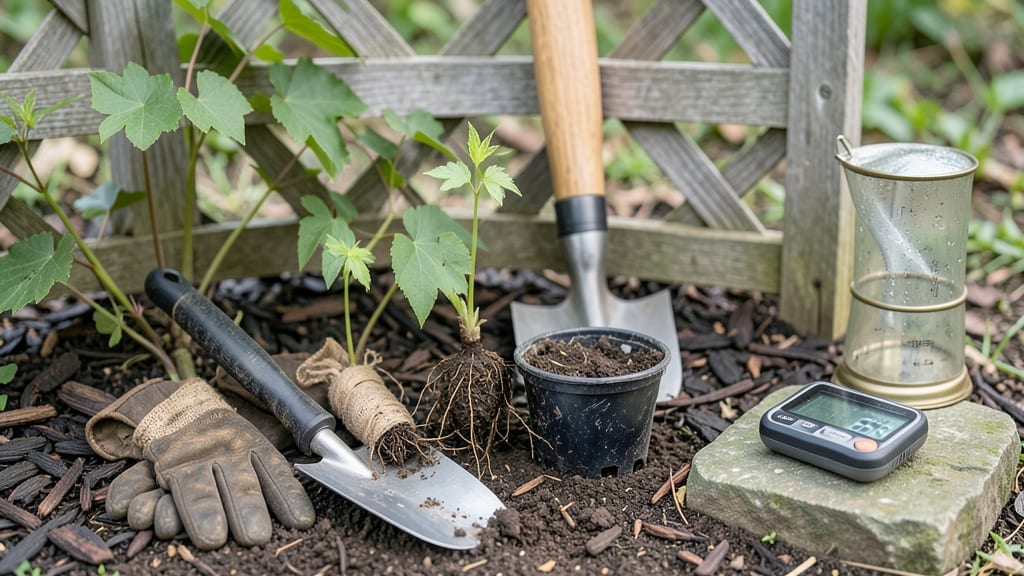
Planting clematis in Michigan requires perfect timing—get it wrong, and frost or heat can stunt your 🌸 clematis before it even takes root. The key lies in understanding Michigan's 5b-6b climate, where early spring or early fall planting gives your vines the best chance to thrive.
Many gardeners assume spring is the only option, but fall planting can actually give clematis a head start on root growth before winter. However, Michigan's unpredictable last frost dates (mid-April in most regions) mean you'll need to be strategic about when to put those young plants in the ground.
In this guide, I'll break down the best months for planting, how to prepare your soil, and what to watch for in Michigan's variable climate.
Whether you're a seasoned gardener or new to growing clematis, these tips will help you avoid common mistakes and set your vines up for dramatic summer blooms.
Ready to transform your garden with these stunning vines? Let's dive into the exact timing and techniques that work best in Michigan's unique growing conditions.
Best planting months for clematis in Michigan’s Zone 5-6 climate
Michigan’s Zone 5b-6b climate means clematis thrive best when planted during two key windows: early spring (March-April) and early fall (September-October). These timings let your vines establish roots before extreme heat or cold sets in, ensuring stronger growth and better blooms next season.
The last frost date in Michigan typically falls around mid-April, but northern regions like the Upper Peninsula may see frost into early May. Southern areas like Detroit often warm up earlier, giving you a slightly longer spring window. Always check your local frost forecast before planting.
For spring planting, aim to get your clematis in the ground by late April to early May. This gives roots time to establish before summer heat arrives. Container-grown plants can sometimes be planted slightly earlier, but bare-root clematis should wait until soil warms to 50°F (10°C).
Fall planting offers a hidden advantage: cooler temperatures reduce stress on roots as they establish. In Michigan, September is ideal, with October as a secondary option if you’re in the southern half of the state. Northern Michigan gardeners should plant by early September to avoid early frosts.
Here’s how Michigan’s regions differ: Northern Michigan (Zone 5b): Plant in May (spring) or early September (fall) Southern Michigan (Zone 6a-6b): Plant in April (spring) or October (fall) Urban areas (Detroit, Grand Rapids): Can plant 1-2 weeks earlier due to urban heat islands.
| Planting Window | Best Months | Soil Temp | Key Consideration |
|---|---|---|---|
| Spring Planting | Late April - Early May | 50°F+ (10°C+) | Avoid late frosts; harden off container plants |
| Fall Planting | Early September - Early October | 55°F+ (13°C+) | Plant 6-8 weeks before first frost; mulch heavily |
| Northern MI (Zone 5b) | May or Early Sept | 48°F+ (9°C+) | Shorter growing season; prioritize root establishment |
| Southern MI (Zone 6a-6b) | April or October | 52°F+ (11°C+) | Longer season; can push fall planting later |
If you miss these ideal windows, don’t panic. Container-grown clematis can sometimes be planted in late spring (May) or even early summer (June), though they may bloom less vigorously that first year. The key is to keep soil consistently moist during establishment—Michigan’s summer droughts can quickly stress young plants.
Pro tip: Use row covers or frost blankets if planting in late spring to protect new growth from unexpected late frosts. I’ve saved many a clematis this way in my Zone 6a garden when April temperatures swing wildly between 30°F (-1°C) and 70°F (21°C).
Remember, clematis are heavy feeders and need well-draining soil. Amend your planting site with compost and consider adding a time-release fertilizer at planting to give them a nutrient boost. This is especially important in Michigan’s clay-heavy soils, which can become waterlogged.
For maximum blooms, pair your clematis with a support structure (trellis, arbor, or fence) before planting. The vines grow 6-10 feet per year, so choose something sturdy enough to handle their rapid growth. Installing supports now prevents future headaches when your clematis reaches maturity.
Best planting months for clematis in Michigan’s Zone 5-6 climate
Michigan’s Zone 5b-6b climate creates a narrow window for planting clematis, but timing it right ensures your vines establish strong roots before winter or summer heat. The safest months are early spring (March-April) and early fall (September-October), when soil temperatures are cool but frost risks are minimal.
Spring planting gives your clematis a full growing season to establish roots before winter, while fall planting allows roots to develop before dormancy. However, Michigan’s last frost dates (mid-April in most regions) mean you must avoid planting too early in spring, or late frosts will damage tender new growth.
Northern Michigan (Zone 5b) has slightly later last frosts, so aim for late April to early May for spring planting. Southern Michigan (Zone 6b) can plant as early as March, but always check local frost forecasts to stay ahead of surprises.
| Month | Zone 5b (Northern MI) | Zone 6b (Southern MI) | Key Consideration |
|---|---|---|---|
| March | ❌ Too early | ✅ Ideal | Soil too cold; frost risk |
| April | ✅ Best for late April | ✅ Ideal | Wait until after last frost |
| September | ✅ Best for early Sept | ✅ Ideal | 6-8 weeks before frost |
| October | ⚠️ Risky | ❌ Too late | Limited root growth before freeze |
Fall planting is often overlooked but can be more successful in Michigan because it allows roots to establish before winter dormancy. Plant in early September to give roots 6-8 weeks to grow before the first frost hits (typically mid-October).
This head start means your clematis will bloom earlier the following year.
If you miss the fall window, don’t panic—spring planting still works well if you choose hardy clematis varieties like ‘Jackmanii’ or ‘Niobe,’ which tolerate cooler soils better. Just be prepared to protect young plants with frost cloth if late frosts linger into May.
Pro tip: Use a soil thermometer to check when soil temps reach 50°F—this is the sweet spot for planting clematis in Michigan’s climate. Warmer soils encourage faster root growth, giving your vines a stronger start.