
Plants
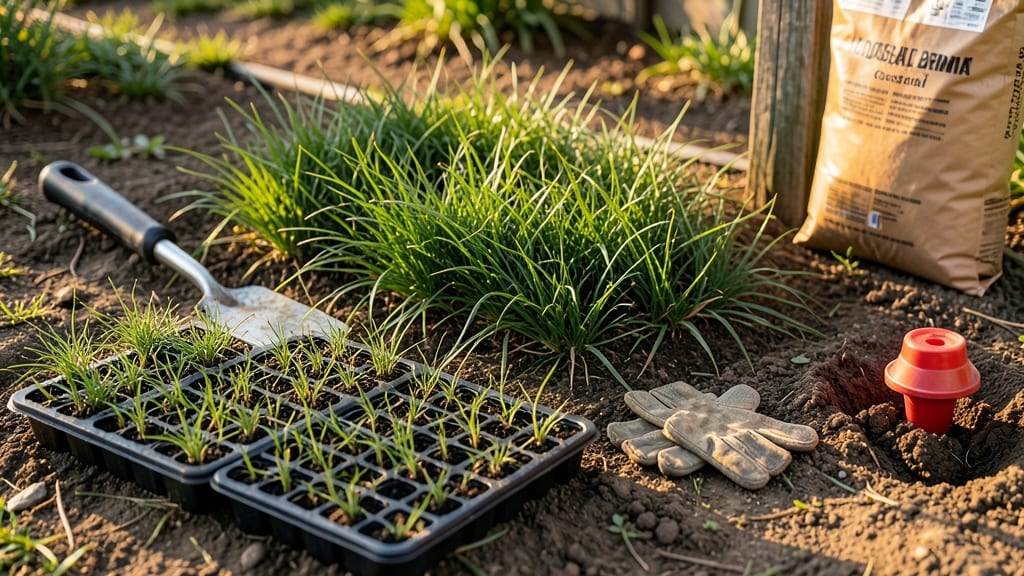
Planting Coastal Bermudagrass 🌱 at the wrong time in Texas can mean the difference between lush hay fields and wasted seeds. This cold-hardy variety thrives in zones 9a-10a, but even here, timing matters—especially when frost lingers or summer heat arrives early.
Most Texas ranchers and erosion-control experts agree: the best windows are late February through early April for spring planting, or late August to early September for fall. These periods let you work around Texas' unpredictable frost dates while giving your hay time to establish strong roots before extreme weather hits.
Why does timing matter so much? Coastal Bermudagrass needs consistent warmth to germinate—soil temperatures below 65°F can stall growth. Plant too early, and frost might kill seedlings; too late, and summer drought stresses young plants before they're established.
In this guide, I’ll break down the exact planting schedule for Texas’ coastal and inland regions, plus pro tips for soil prep, watering, and avoiding common mistakes that cost farmers $100+ per acre in lost yield. Let’s get your hay off to the right start.
Optimal planting timeline for coastal hay in Texas by region
Texas’ diverse climate—from the Gulf Coast’s humidity to North Texas’ dry heat—means your Coastal Bermudagrass planting window varies by USDA Zone 7-9. Plant too early, and frost zaps tender seedlings.
Too late, and summer’s brutal heat stalls germination. Here’s the exact timeline to maximize your hay yield and root establishment.
For coastal Texas (Zones 9a-10a), where frost is rare, your primary window is late February through early April. This gives seedlings time to establish roots before summer heat peaks in June.
In North and Central Texas (Zones 7b-8b), where frost lingers until mid-March, shift planting to late April to avoid cold snaps.
Don’t overlook fall planting—a late August to early September window works for both regions. Fall seedlings benefit from cooler temps and consistent rainfall before winter dormancy. Just ensure soil temps stay above 60°F for 4-6 weeks post-planting to prevent seed rot.
🌱
If you’re in Zone 7b or colder, consider container planting for flexibility. Move pots indoors or to a protected greenhouse during winter months to avoid frost damage. Even in warmer zones, early spring planting (before April 15) risks seedling blight if rains linger.
For fall plantings, aim to finish 6 weeks before your average first frost. In Houston, that’s mid-October; in Amarillo, it’s early October. Use a soil thermometer to confirm temps stay above 65°F for 30 days post-planting.
Pro tip: Test your soil’s moisture before planting. Coastal hay needs consistent hydration but hates waterlogged soil. If your area gets less than 1 inch of rain weekly in spring, schedule deep watering 2-3 times per week until roots establish (6-8 weeks).
Timing isn’t just about months—it’s about microclimates. A south-facing slope warms faster than a north-facing valley, so adjust by 1-2 weeks if your site has unique sun exposure. Always scout for local frost advisories via Texas A&M AgriLife alerts.
Once planted, avoid mowing until grass reaches 4-6 inches tall—this ensures root depth and drought resilience. In Texas’ heat, first cuts should happen by June for high-quality hay. Miss this window, and your yield suffers.
🌾
Optimal planting timeline for coastal hay in Texas by region
Texas’ diverse climate means your Coastal Bermudagrass planting window varies by region. In North Texas (Zones 7-8), aim for late February to early April to avoid late frosts, while Gulf Coast areas (Zones 9-10) can plant as early as January with minimal frost risk.
Soil temperatures should reach 65°F+ for germination—use a soil thermometer to confirm readiness.
For fall planting, focus on late August to early September before summer heat fades. This gives roots time to establish before winter dormancy. In East Texas, where humidity lingers, plant 1-2 weeks earlier than North Texas to account for slower drying soils.
🌱
| Region | USDA Zone | Spring Planting Window | Fall Planting Window | Soil Temp Requirement |
|---|---|---|---|---|
| North Texas | 7-8 | Late Feb - Early Apr | Late Aug - Early Sep | 65°F+ |
| Central Texas | 8a-8b | Mid Feb - Mid Apr | Mid Aug - Mid Sep | 65°F+ |
| Gulf Coast | 9a-10a | Jan - Early Mar | Late Aug - Early Oct | 60°F+ |
| East Texas | 8a-9a | Early Feb - Early Apr | Late Aug - Early Sep | 65°F+ |
Spring planting offers faster establishment due to longer daylight, but fall planting reduces summer stress and weeds. For North Texas, prioritize spring—fall frosts can damage young seedlings. In Gulf Coast regions, fall planting extends the growing season by 2-3 months before winter dormancy.
Pro tip: Use a seed starter kit to pre-germinate seeds indoors if planting early in frost-prone zones. Transplant seedlings when soil warms to 70°F+ for 90%+ success rates. Monitor local National Weather Service alerts for unexpected late frosts in March or November.
🌡️
After planting, maintain consistent moisture for 4-6 weeks to encourage root growth. In drought-prone West Texas, mulch with straw to retain soil moisture. Avoid overwatering—Coastal Bermudagrass is drought-tolerant once established but needs 1-1.5 inches of water weekly during establishment.