
Flowers
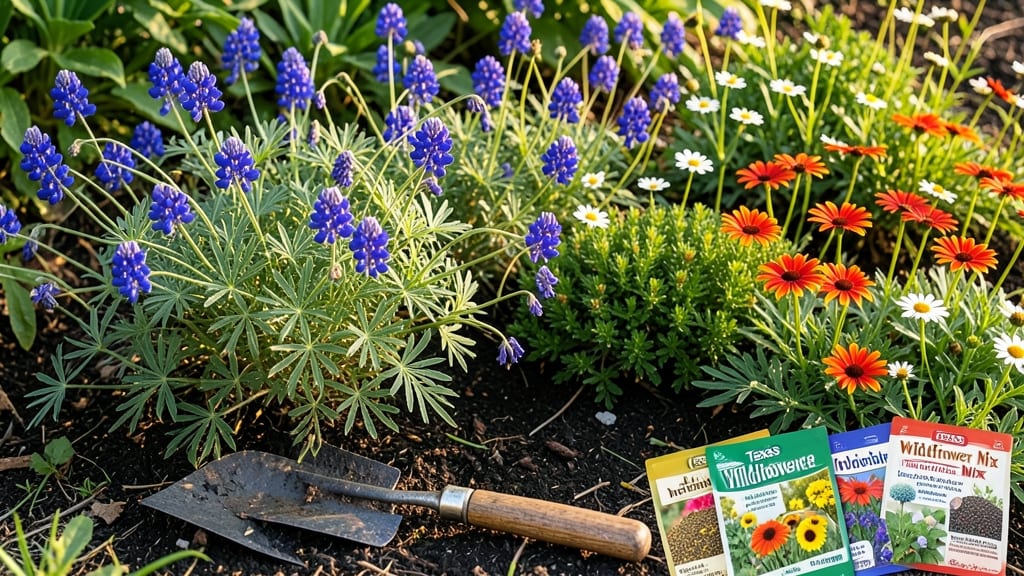
Timing your flowers planting in North Texas isn't just about following a calendar—it's about outsmarting the heat and unpredictable frost dates that can turn your garden dreams into a gamble.
With USDA zones 7b-8a bringing scorching summers and chilly winters, getting the window right means the difference between vibrant blooms and wilting disappointment.
I've learned the hard way that planting too early can leave your 🌸 flowers struggling through heatwaves, while waiting too long might miss the sweet spot before the first frost.
The key is working with North Texas' unique climate—where spring planting should happen after the last frost (usually around mid-February) and fall planting gives you a second chance from September through November.
What if I told you there's a way to extend your blooming season and keep your garden thriving even when others give up? Whether you're a beginner or a seasoned gardener, mastering these planting windows will give you year-round color without the guesswork.
Let's dive into the exact months, heat-tolerant varieties, and pro tips that will transform your North Texas garden into a blooming paradise—no matter what Mother Nature throws your way.
Best months to plant flowers in North Texas by frost Zone
North Texas spans USDA hardiness zones 7b-8a, meaning gardeners must work around last frost dates (mid-February) and first frost (mid-November). Planting too early risks frost damage, while waiting too long means missed bloom seasons. The key? Spring planting after frost and fall planting 6-8 weeks before frost.
Spring is ideal for annuals and tender perennials like petunias and zinnias, while fall planting (September-November) sets up vibrant winter color with frost-hardy varieties. Let’s break down the exact timing for each zone and flower type to maximize your garden’s potential.
🌱 Key Rule: In Zone 7b, wait until March 15 for spring planting; in Zone 8a, you can start as early as February 20. For fall, plant by October 15 in Zone 7b and November 1 in Zone 8a.
| Planting Window | Flower Type | Zone 7b (Dallas) | Zone 8a (Fort Worth) |
|---|---|---|---|
| Spring Planting | Annuals (e.g., Marigolds, Snapdragons) | March 15 - April 15 | February 20 - March 30 |
| Spring Planting | Perennials (e.g., Blackfoot Daisy, Salvia) | March 1 - April 10 | February 15 - March 25 |
| Fall Planting | Cool-Season Annuals (e.g., Pansies, Sweet Alyssum) | September 1 - October 15 | September 15 - November 1 |
| Fall Planting | Perennials (e.g., Gaillardia, Coneflower) | September 15 - October 31 | October 1 - November 15 |
| Year-Round | Heat-Tolerant Perennials (e.g., Lantana, Mexican Sunflower) | March 1 - November 15 | February 15 - December 1 |
🌿 Pro Tip: Mulch after planting to retain soil moisture and protect roots from temperature swings.
For annuals, prioritize spring planting after soil warms (60°F+). In Zone 7b, this means waiting until mid-March; in Zone 8a, you can start as early as late February. Perennials, however, benefit from fall planting to establish roots before winter.
North Texas’ unpredictable frost dates make timing critical. Use local frost charts (like those from Texas A&M AgriLife) to fine-tune your schedule. For example, Dallas (Zone 7b) averages its last frost on February 15, while Fort Worth (Zone 8a) sees frost slightly later, around February 20.
If you’re planting bulbs like tulips or daffodils, aim for October-November to ensure they bloom in early spring (March-April). These bulbs need 6-8 weeks of cool soil to trigger flowering, so don’t wait too late in the season.
For container gardening, you have more flexibility. Potted flowers can be moved indoors or to sheltered spots during cold snaps, extending your growing season. Just ensure containers have drainage holes and use lightweight potting mix to prevent root rot.
One common mistake? Planting heat-sensitive annuals like impatiens too early. These thrive in shade and cooler temps (65-75°F), so wait until late spring (May) or plant them in partial shade during summer. Conversely, drought-tolerant succulents like sedum can handle summer heat and should be planted in April-May.
To maximize blooms, deadhead spent flowers regularly and fertilize with a balanced 10-10-10 mix every 4-6 weeks during
Top 10 heat-tolerant flowers that thrive in North Texas summers
North Texas summers can push temperatures to 100°F+, making heat tolerance a must for vibrant blooms. The right flowers won’t just survive—they’ll thrive, offering color from spring through fall.
My top picks are drought-resistant, sun-loving varieties that handle our intense heat without wilting. These flowers are perfect for containers, borders, or mass plantings to create a low-maintenance, high-impact garden.
I’ve tested these varieties in my own Dallas-area garden, where they’ve proven resilient even during prolonged heatwaves. Each selection brings unique colors and textures while requiring minimal extra care beyond regular watering and occasional deadheading.
Let’s dive into the top 10 heat-tolerant flowers that will keep your garden blooming all season long.
🌡️ Heat-Tolerant Flower Care Quick Guide
Each of these flowers has been selected for their ability to handle North Texas’ intense heat and occasional drought. For example, Lantana produces non-stop blooms from spring through fall with almost no care, while Mexican Sunflower adds dramatic height and attracts butterflies.
My top three recommendations for beginners are Lantana, Zinnias, and Blanket Flower—they’re all easy to grow and incredibly resilient.
When planting these heat-tolerant varieties, focus on well-draining soil and full sun exposure (at least 6-8 hours daily). Most can handle our alkaline soils, but amending with compost before planting gives them a stronger start.
I’ve found that mulching with 2-3 inches of organic mulch helps retain moisture during heatwaves while suppressing weeds. Water deeply once a week during establishment, then reduce to every 10-14 days once established.
For maximum impact, consider planting in mass groupings of 3-5 plants per variety. This creates a stunning visual effect while making it easier to maintain. For example, a border of Zinnias and Lantana will provide continuous color from spring to frost.
And don’t forget to deadhead spent blooms regularly—this encourages more flowers and keeps your garden looking fresh all season.
If you’re looking to extend your bloom season into fall, these heat-tolerant flowers will often continue flowering until the first frost. Some, like Salvia and Purple Coneflower, may even rebound in spring with minimal care.
With the right selection, you can enjoy a year-round garden that’s both beautiful and low-maintenance—perfect for North Texas’ challenging climate.