
Plants
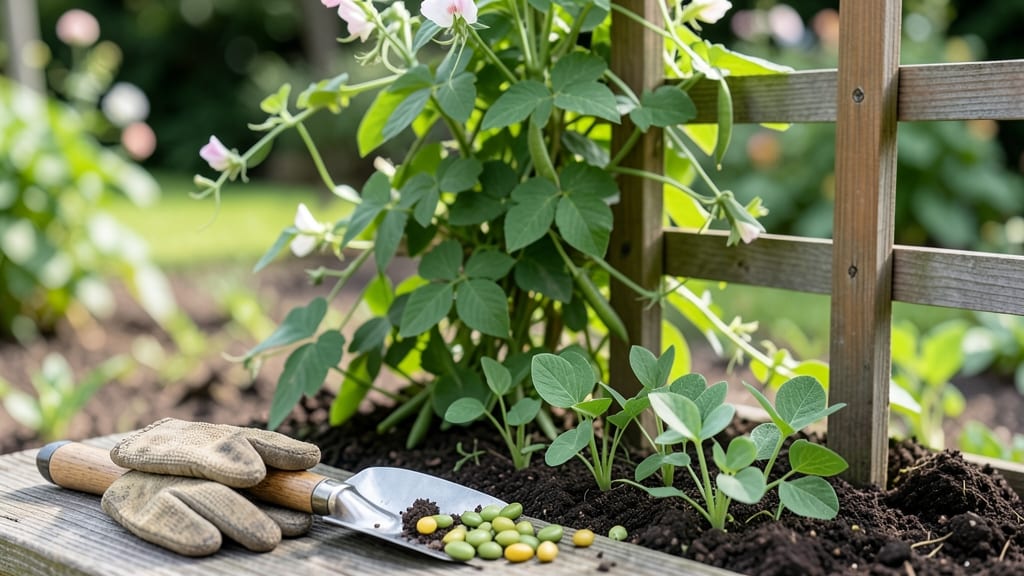
Planting peas in North Texas can feel like a high-stakes game of timing—get it wrong, and you’ll either fry your seeds in summer heat or lose them to early frost. The key to success? Knowing exactly when to plant 🌱 peas for that perfect harvest window between November and May.
Here’s the secret: North Texas’s Zone 8a climate gives you two prime chances—fall and spring—but each requires a different strategy. Skip the guesswork and learn how to align your planting with local frost dates, soil temps, and even microclimates (yes, urban Dallas behaves differently than the Hill Country).
I’ll walk you through the exact months to start seeds, when to transplant, and how to stretch your growing season with shade tricks and succession planting. No more wasted effort or bitter disappointment—just a garden bursting with sweet, tender peas.
Ready to master the cool-season window? Let’s dive into the step-by-step guide that’ll have you harvesting peas like a pro, no matter where you garden in North Texas.
North Texas pea planting calendar: best months by variety
Peas thrive in North Texas’s cool season, but timing is critical—plant too early, and they’ll bolt in the heat; too late, and frost will damage tender plants. The USDA Zone 8a/8b climate gives us a narrow window: early fall and late winter.
Let’s break down the best months for each pea variety to maximize your harvest.
North Texas gardeners have two prime planting windows: fall (September-October) and spring (February-March).
Fall planting avoids summer heat, while spring planting lets you harvest before the heat sets in. Shelling peas (like 'Lincoln' or 'Oregon Sugar Pod') take 60-70 days to mature, while snap peas (like 'Sugar Snap') mature in 55-60 days. Timing matters!
🌱 Did You Know? North Texas’s first frost typically hits around November 15, and the last frost is usually January 15. Plant peas 4-6 weeks before the last frost for spring or 2-3 weeks before the first frost for fall to avoid heat stress or frost damage.
| Variety | Best Planting Window | Days to Harvest | Notes |
|---|---|---|---|
| Shelling Peas (e.g., 'Lincoln') | Late Feb - Early March (spring) or Early Sept - Mid-Oct (fall) | 60-70 days | Tall vines; needs trellis. Harvest pods when plump. |
| Snap Peas (e.g., 'Sugar Snap') | Late Feb - Early March (spring) or Early Sept - Mid-Oct (fall) | 55-60 days | Crunchy pods; harvest entire pod. Trellis recommended. |
| Snow Peas (e.g., 'Oregon Sugar Pod') | Late Feb - Early March (spring) or Early Sept - Mid-Oct (fall) | 50-60 days | Flat pods; harvest young for tenderness. Trellis helps. |
| Dwarf Peas (e.g., 'Tom Thumb') | Late Feb - Early March (spring) or Early Sept - Mid-Oct (fall) | 55-65 days | No trellis needed; great for containers or small spaces. |
For fall planting, aim to sow seeds by mid-October to ensure peas mature before frost. In North Texas’s urban areas (like Dallas), microclimates can delay frost slightly, but rural areas (like the Hill Country) may experience earlier frosts. Adjust your planting date accordingly.
Spring planting is trickier—sow seeds by early March to avoid heat stress. If you plant too late, peas may struggle in 90°F+ temperatures. Use shade cloth or mulch to protect young plants from heat spikes. Succession planting every 2 weeks in spring extends your harvest window.
Pro tip: Test your soil pH before planting—peas prefer 6.0-7.0. Amend with compost or lime if needed. North Texas clay soil drains poorly, so mix in organic matter to improve aeration. 💧
Harvest time! Shelling peas are ready when pods are 2-3 inches long and seeds are visible but tender. Snap and snow peas should be harvested when pods are crisp and plump. Pick consistently to encourage more production—peas don’t store well, so enjoy them fresh or freeze extras for later.
If you miss the ideal window, don’t despair! Cool-season varieties like 'Green Arrow' or 'Telephone' tolerate light frosts and can be planted as late as November for a late fall harvest. Just be prepared to cover plants with row fabric if frost threatens. ✂️
How to extend your pea-growing season in hot climates
North Texas summers are brutal for peas—temperatures above 85°F send them bolting faster than you can say "sugar snap." But with the right tricks, you can cheat the heat and enjoy fresh peas almost year-round. The key? Shade, timing, and soil prep to keep roots cool while protecting tender vines.
Start by choosing heat-tolerant varieties like 'Carouby de Maussane' or 'Oregon Sugar Pod', which handle 90°F days better than standard types. Pair them with shade cloth (30-50%) during peak afternoon sun—this can add 2-3 weeks to your growing window. Just
Here’s the critical mistake I see: Planting too close to summer without preparing the soil. Peas thrive in cool, moist soil, so amend beds with 2-3 inches of compost and mulch heavily with straw or wood chips to retain moisture. This mimics North Texas’s natural fall rains and keeps roots from drying out.
⚠️ Heat Warning: Peas Hate Summer!
Never plant peas when daytime highs exceed 80°F—they’ll bolt within 10 days. Even shade cloth won’t save them if soil temps hit 85°F. Check soil temps with a thermometer (ideal: 60-70°F).
For a fall harvest, sow seeds August 15–September 15, aiming for mature plants before first frost (Nov 15). Use succession planting: stagger seeds every 2 weeks to extend harvests.
In spring, plant February 1–March 15, but cover young plants with frost blankets if nights dip below 32°F.
Microclimates matter! Urban gardens (like Dallas) stay 5-10°F warmer than rural areas (e.g., Hill Country). If you’re in a hot spot, try container growing with self-watering pots—they cool roots faster. Place containers on elevated surfaces or under patio umbrellas for extra shade.
Pro tip: Peas + basil is a winning combo—basil’s scent deters pests while keeping the air around peas cooler. Just keep basil 3 feet away to avoid competition. With these tricks, you’ll harvest peas in both fall and spring, beating North Texas’s short cool season.