
Plants
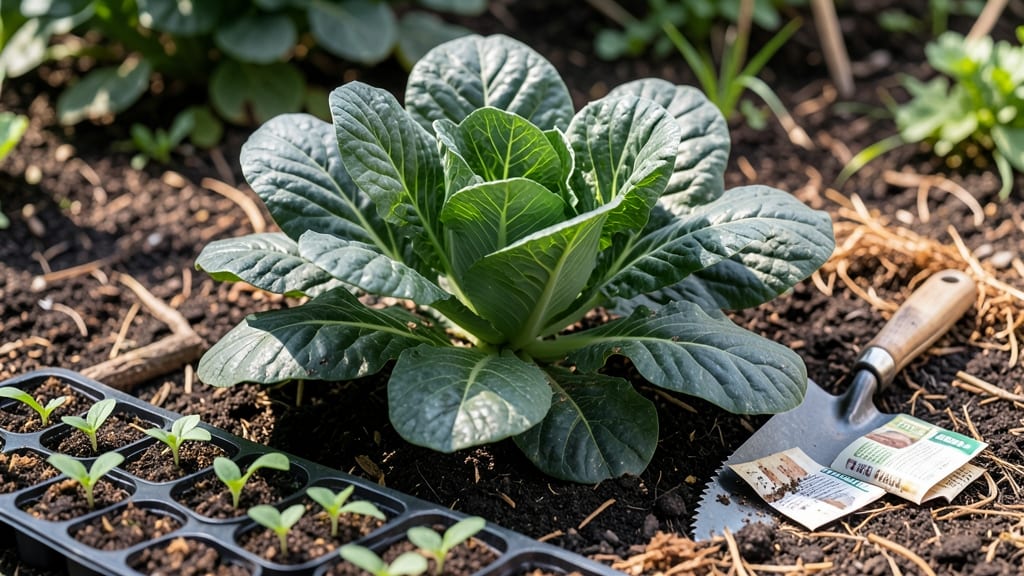
Timing your collard greens planting in South Carolina can feel like guessing when to run for cover in a summer storm—one wrong move, and your harvest disappears faster than last year's leftovers.
But here's the secret: those heat-tolerant varieties you've been eyeing thrive when most gardeners pack it in, and with just a few tweaks, you can enjoy fresh 🥬 from late fall right through winter.
Let's cut through the confusion. In USDA Zone 8a, your best bet is to plant between August and March, but not all months are created equal.
Early fall and late winter give you that sweet spot where soil stays workable and temperatures cooperate—no more guessing games about whether your greens will bolt before Thanksgiving or freeze before Christmas.
What you're about to discover isn't just about throwing seeds in the dirt and hoping for the best. It's about working with South Carolina's quirks—like how those frost-free windows stretch longer than you think, and how certain varieties handle humidity like it's nothing.
I'll show you exactly when to start seeds indoors, when to direct-sow outdoors, and how to stretch your harvest season without turning your garden into a science experiment.
Ready to turn your garden into a year-round collard green machine? Let's dive into the ideal planting schedule, the varieties that actually perform here, and the simple tricks to keep your greens growing even when Jack Frost pays an uninvited visit. Your taste buds will thank you.
Optimal planting months for collard greens in South Carolina’s climate zones
South Carolina’s humid subtropical climate (USDA zones 7a-8b) creates unique challenges for growing collard greens. Unlike northern regions, SC’s mild winters and hot summers demand precise timing to avoid bolting in heat or frost damage.
The best planting windows focus on early fall and late summer, with some varieties tolerating winter sowing.
For fall harvests, aim to plant 6-8 weeks before your first frost (typically mid-November in most of SC). This usually means late summer to early September for a winter harvest. Spring planting should wait until soil temperatures reach 40°F, usually February-March in coastal areas and March-April inland.
Here’s how to align your planting with SC’s microclimates—coastal zones (like Charleston) have longer frost-free seasons than Piedmont areas (like Columbia). The summary table below breaks down ideal planting windows by zone and variety.
| Zone & Location | Best Planting Window | Soil Temp Threshold | Heat-Tolerant Variety |
|---|---|---|---|
| Coastal (7b-8a): Charleston, Hilton Head | Late Aug–Sept (fall) or Feb–March (spring) | 45°F+ | 'Blue Max' |
| Piedmont (7a-7b): Columbia, Greenville | Sept–Oct (fall) or March–April (spring) | 40°F+ | 'Georgia Southern' |
| Upstate (7a): Greer, Spartanburg | Late Aug–Sept (fall only) | 40°F+ | 'Vates' |
| All Zones (Winter Hardiness) | Oct–Nov (light frost tolerance) | 35°F+ | 'Champion' |
If you’re aiming for a summer harvest, choose heat-tolerant varieties like 'Blue Max' and plant in late spring (May) when soil temps stabilize above 60°F. However, be prepared for bolting if temps exceed 85°F for prolonged periods. Succession planting in July can also yield fall greens before frost.
For winter production, focus on October plantings in coastal areas or November inland. Use row covers or cold frames to extend the season—collards can survive light frosts (down to 20°F) and even taste sweeter after exposure.
Just avoid planting too late, as hard freezes (below 15°F) will kill the plants.
Pro tip: Test your soil pH before planting—collards thrive in 6.0-7.0. Amend with compost or aged manure to improve drainage, especially in SC’s clay-heavy soils. A mulch layer (straw or pine needles) helps retain moisture and regulate soil temps during SC’s sweltering summers.
Timing isn’t just about months—it’s about weather patterns. Check the National Weather Service for SC’s 10-day forecasts before planting. If hurricane season (June-Nov) threatens, delay outdoor sowing until after September to avoid flooding or salt spray damage.
Remember: Collard greens are biennial, meaning they’ll often overwinter and produce bolting flowers in their second year. If you notice flower stalks, harvest the leaves quickly—they’ll become bitter and tough as the plant shifts energy to seed production.
🌱
Optimal planting months for collard greens in South Carolina’s climate zones
South Carolina’s USDA zones 7a-8b create a unique challenge for growing collard greens—hot summers and mild winters demand precise timing. The key is planting when soil temperatures stay consistently above 40°F but before summer’s brutal heat sets in.
In most of SC, this means late summer (August) for fall harvests or early spring (March-April) for winter production.
For Zone 7a (upstate SC), aim for August 15-September 15 to beat early frosts, while Zone 8b (coastal areas) can extend planting until October 1. Spring plantings should wait until soil warms to 50°F—typically mid-March in Charleston but later in Greenville.
Miss these windows, and you’ll risk bolting (premature flowering) from heat stress.
| Zone | Best Planting Window | Soil Temp Threshold | Harvest Window |
|---|---|---|---|
| 7a (Upstate) | Aug 15–Sep 15 | 40–60°F | Oct–Dec |
| 8a (Piedmont) | Aug 1–Oct 1 | 45–65°F | Sep–Jan |
| 8b (Coastal) | Aug 15–Nov 1 | 50–70°F | Oct–Feb |
Pro tip: Use a soil thermometer to confirm readiness—collards thrive when soil stays between 50–70°F. In Zone 7a, a light frost in November won’t harm mature plants, but seedlings need protection.
For Zone 8b, you can even plant successive crops every 2 weeks through October for a staggered harvest.
Heat-tolerant varieties like 'Blue Max' or 'Georgia Southern' handle SC’s summer better than standard types, but even they struggle if planted after mid-August. Start seeds indoors 4–6 weeks before transplanting to give them a head start against bolting.
Mulch with straw or leaves to keep roots cool during summer’s peak.
Remember: Collards are cool-season crops at heart, so think of summer plantings as a gamble unless you’re using heat-resistant varieties. For guaranteed success, focus on fall and spring plantings when temperatures cooperate. Even a 10°F dip can improve flavor—just don’t let it drop below 20°F for more than a night.
For winter production, plant in late summer (August) so they mature before cold sets in. In Zone 8b, you might even harvest through February with row covers. The key is consistency: collards grow best with steady conditions, not SC’s rollercoaster weather.