
Plants
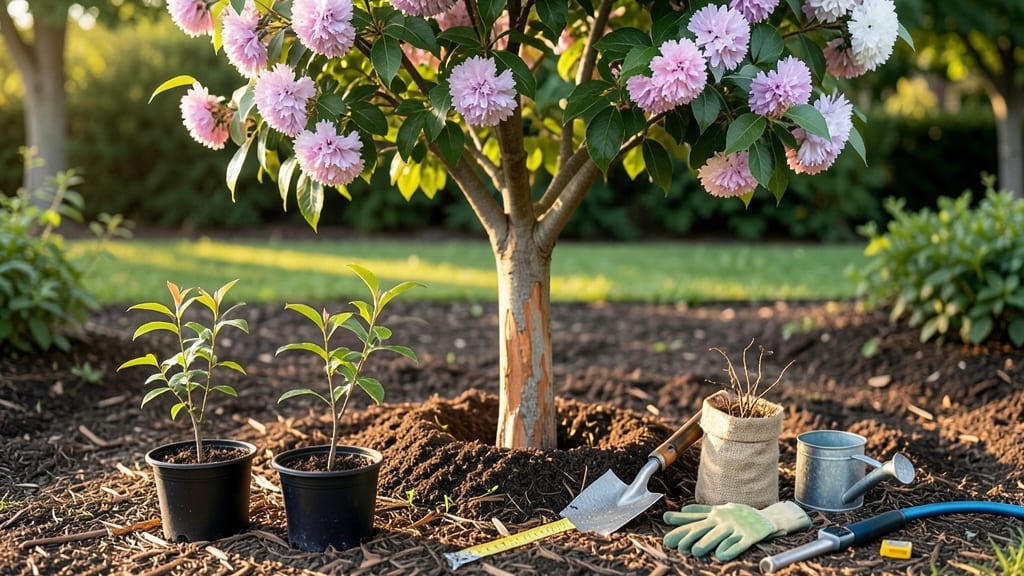
If you’ve ever planted a 🌸 crepe myrtle in Florida only to watch it struggle under the blazing sun or wilt in unexpected cool snaps, you’re not alone.
The key to thriving crepe myrtles lies in planting them during Florida’s frost-free window—a timing trick that separates vibrant blooms from stressed shrubs.
Florida’s year-round warmth might make you think crepe myrtles can be planted anytime, but the real secret is avoiding the brutal summer heat and cooler winter months when roots struggle to establish.
Whether you’re in the 9a-11 zones or a coastal area, late winter to early spring offers the perfect balance of mild temperatures and moisture for your new tree.
I’ll show you exactly when to dig in—plus how to prep your soil, choose the right spot, and even handle container planting for extra flexibility. No more guessing games; just healthy growth from day one.
Let’s get your crepe myrtle off to the best possible start with these Florida-specific tips that work whether you’re in Miami, Orlando, or the Panhandle.
Florida’s frost-free window: the best months to plant crepe myrtle
Florida’s warm climate makes crepe myrtle a perfect fit, but timing still matters. Unlike northern states, crepe myrtles thrive year-round, but planting during cooler months gives roots time to establish before summer heat arrives.
The ideal window spans from late winter to early spring (February–March), when soil temperatures are consistently above 60°F.
For container planting, you can extend this window slightly into fall (August–September), as potted plants adapt better to temperature shifts. However, avoid planting during peak summer months (June–July) when soil can bake and stress young roots.
Florida’s microclimates create regional differences. In North Florida (USDA Zones 8a–8b), aim for February–March planting to avoid late-winter frosts.
In Central Florida (Zones 9a–9b), you can plant as early as January or as late as April. South Florida (Zones 10a–11) allows year-round planting, but spring remains optimal for best results.
🌸
| Region | USDA Zone | Best Planting Window | Soil Temp Threshold |
|---|---|---|---|
| North Florida | 8a–8b | February–March | 60°F+ |
| Central Florida | 9a–9b | January–April | 65°F+ |
| South Florida | 10a–11 | Year-round (best: Feb–Mar) | 70°F+ |
If you miss the spring window, fall planting (August–September) is your next best option. This gives roots time to establish before winter’s mild chill. Just ensure soil remains warm enough to prevent shock—aim for 70°F+ for optimal growth.
For container-grown crepe myrtles, you can plant almost anytime, but harden off potted plants for 7–10 days before transplanting. Acclimate them to outdoor conditions gradually to reduce transplant shock. This is especially critical in South Florida’s humid climate, where sudden temperature drops can stress plants.
Always check local frost dates (even in Florida) using the National Weather Service or University of Florida IFAS Extension. While rare, unexpected cold snaps can occur, particularly in North Florida. A lightweight frost cloth can protect young plants if frost is forecasted.
🌿
Pro tip: Test your soil’s pH before planting. Crepe myrtles prefer slightly acidic to neutral soil (6.0–7.0). If your soil is too alkaline, amend it with peat moss or sulfur to improve drainage and nutrient uptake. Well-draining soil is critical—crepe myrtles hate soggy roots.
Finally, choose dwarf varieties (like ‘Arapaho’ or ‘Tonto’) for smaller spaces or standard varieties (like ‘Natchez’ or ‘Muskogee’) for bold landscape statements. Dwarf types establish faster in containers or urban gardens, while standards thrive in open landscapes.
Florida’s frost-free window: the best months to plant crepe myrtle
Florida’s frost-free climate means crepe myrtle can thrive year-round, but timing still matters. Unlike northern states, we don’t have to wait for spring thaw—just avoid extreme heat and heavy rains that stress young roots.
The ideal planting window spans February through March and August through September, aligning with Florida’s cooler, drier seasons.
For northern Florida (USDA Zones 8a-8b), focus on late February to early March when soil temperatures warm to 60°F+. In central and southern Florida (Zones 9a-11), you can plant as early as January or extend into October, thanks to milder winters.
Even container planting benefits from these windows, as roots establish better in stable temperatures.
| Florida Region | Best Planting Window | Soil Temp Threshold | Key Consideration |
|---|---|---|---|
| North Florida (Zones 8a-8b) | Late February–Early March | 60°F+ | Avoid late frosts (rare but possible) |
| Central Florida (Zones 9a-9b) | January–March or August–September | 55°F+ | Watch for summer storms |
| South Florida (Zones 10a-11) | Year-round (best Jan–Mar or Sep–Oct) | 50°F+ | Container plants need shade in summer |
If you miss the primary windows, don’t panic—crepe myrtle is flexible. Summer planting (June–July) works in shaded areas or with extra mulch to retain moisture. Just avoid peak heat (August), when temperatures exceed 95°F, as young plants risk transplant shock.
Pro tip: Test your soil’s drainage before planting. Crepe myrtle hates soggy roots, so amend heavy clay with compost or sand. In sandy soils (common in Florida), mix in organic matter to improve water retention.
A simple percolation test—pouring water into a hole and timing drainage—takes 10 minutes and saves headaches later.
For container growers, harden off nursery plants by moving them outdoors for 2–3 hours daily starting 2 weeks before planting. This acclimates roots to Florida’s humidity and sun.
Use well-draining pots with drainage holes, and opt for larger containers (15+ gallons) to stabilize moisture levels during our dry seasons.
Remember: Timing isn’t everything, but it’s 80% of the battle. Plant in Florida’s frost-free windows, prep your soil, and your crepe myrtle will reward you with bold blooms and lush foliage for decades. 🌸