
Plants
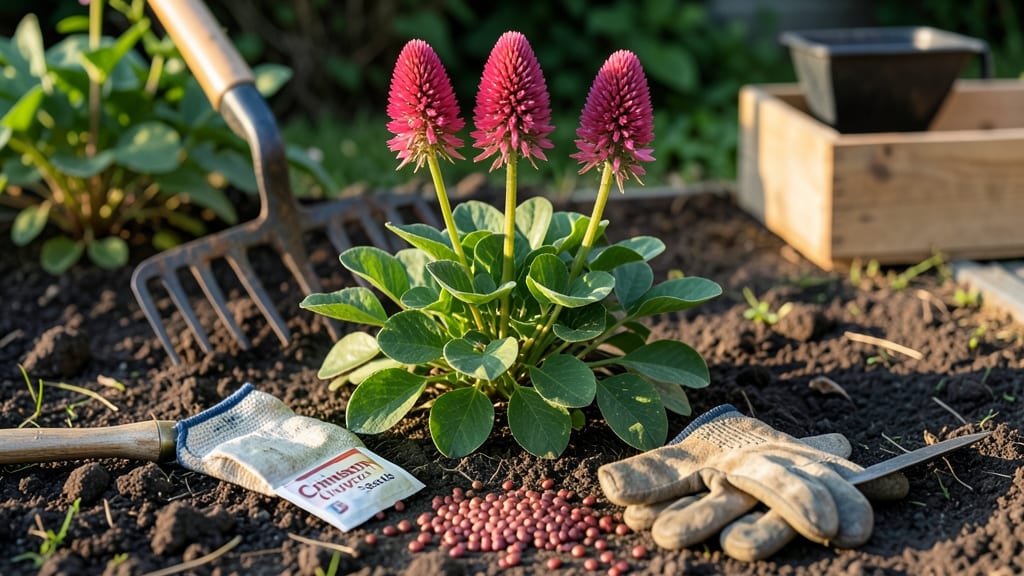
Planting crimson clover 🌸 at the wrong time in North Carolina can mean the difference between a thriving cover crop and wasted effort—especially when frost sneaks in earlier than expected or summer heat dries out seedlings.
If you're aiming to boost your soil's nitrogen naturally, timing is everything. Crimson clover thrives in NC's 6b-8a zones when planted in late summer through early fall or early spring, but getting those dates just right depends on your exact location and microclimate.
I’ll walk you through the exact frost-free windows for your zone, soil prep secrets, and how to avoid common mistakes that kill plantings—so you can grow a lush, hardy cover crop without the guesswork.
Whether you're a seasoned gardener or just starting, these region-specific tips will help you plant confidently and see results faster than you’d expect.
NC frost-free window for crimson clover by USDA hardiness Zone
North Carolina’s diverse climate—from the Coastal Plain to the Mountains—creates wildly different frost-free windows for planting crimson clover. The key is planting 6-8 weeks before your first frost to ensure strong root establishment before winter.
In Zone 7a, that means aiming for late August to early September for fall plantings, while Zone 8b gardeners can extend until mid-October.
Spring plantings should happen 4-6 weeks before your last frost date, typically March 1-15 across most of NC. Coastal areas like Wilmington can plant slightly earlier (February 20), while the Appalachian foothills may need to wait until mid-April.
Soil temperature is your best guide—wait until it reaches 60°F consistently.
Why timing matters: Crimson clover thrives in cool weather but bolts in heat over 85°F. Planting too early (like July) risks summer stress, while late plantings (October) may not establish roots before frost. Use your local cooperative extension frost date maps to fine-tune your schedule.
Here’s how NC’s three main regions differ in frost-free windows:
| Region | USDA Zone | Fall Planting Window | Spring Planting Window | First Frost Avg |
|---|---|---|---|---|
| Coastal Plain | 8a-8b | Aug 20 - Oct 15 | Feb 20 - Mar 15 | Nov 1 - Nov 15 |
| Piedmont | 7a-7b | Aug 1 - Sep 30 | Mar 1 - Apr 15 | Nov 5 - Nov 20 |
| Mountains | 6b-7a | Jul 25 - Sep 15 | Apr 1 - May 1 | Oct 15 - Nov 5 |
*Adjust dates 1-2 weeks earlier for early springs or later for late frosts.
For fall plantings, aim to establish roots before soil temps drop below 50°F. Use a soil thermometer to monitor—crimson clover germinates best at 60-70°F. In Zone 7a, this means planting by September 1; in Zone 8b, you can push until October 10.
Spring plantings should happen as soon as soil is workable (usually March in most of NC). Avoid planting too early—cold, wet soil can delay germination. If you’re unsure, use biodegradable seed tape to ensure even spacing and faster establishment.
Pro tip: Overseeding in late winter (February) can give you an early start, but cover seeds with straw mulch (2-3 inches) to protect them from freeze-thaw cycles. This method works well in Coastal Plain areas where winters are milder.
Remember: Crimson clover is a winter annual, meaning it grows in fall, overwinters, and dies in summer. Your goal is to establish it before frost so it can fix nitrogen and improve your soil for next year’s crops.
🌸
NC frost-free window for crimson clover by USDA hardiness Zone
North Carolina’s USDA zones 7a-8b create distinct planting windows for crimson clover 🌸. In Zone 7a (western NC mountains), aim for late August through early September for fall planting—this gives seedlings 6-8 weeks to establish before the average November 15 frost.
Meanwhile, Zone 8b (Coastal Plain) can extend fall planting until mid-October thanks to milder winters.
Spring planting is simpler: mid-March to early April across all zones, once soil temperatures hit 50°F+. Use your local Almanac’s frost dates as a guide—NC’s Piedmont region often sees frost 2 weeks earlier than coastal areas.
For example, Raleigh (Zone 7b) typically has its last frost around March 15, while Wilmington (Zone 8a) can plant until April 1.
Here’s how to adjust for early/late springs: If your area had an unusually warm February, delay fall planting by 2 weeks to avoid summer heat stress.
Conversely, if frost arrives early in October, plant earlier in August. Crimson clover’s nitrogen-fixing roots need time to establish before cold sets in.
| Zone | Fall Planting Window | Spring Planting Window | Soil Temp Threshold | Frost Risk |
|---|---|---|---|---|
| 7a (Mountains) | Late Aug - Early Sep | Mid-Mar - Early Apr | 50°F+ | High (Nov 1) |
| 7b (Piedmont) | Early Aug - Mid-Sep | Late Feb - Early Apr | 55°F+ | Moderate (Nov 15) |
| 8a (Coastal) | Mid-Aug - Oct 15 | Feb 15 - Apr 15 | 60°F+ | Low (Dec 1) |
| 8b (Southeast) | Aug 15 - Nov 1 | Mar 1 - Apr 30 | 65°F+ | Very Low (Dec 15) |
For Coastal Plain gardeners, take advantage of the longer frost-free season by planting crimson clover in early August—this gives it time to bloom and fix nitrogen before winter. In the mountains (Zone 7a), prioritize fall planting to avoid summer drought stress.
Always check your local extension office for microclimate adjustments, as urban areas like Charlotte can be 3-5°F warmer than rural zones.
Pro tip: Use a soil thermometer to confirm 50°F+ soil temps before planting—cold soil delays germination. In clay-heavy soils (common in Piedmont), wait until afternoon temps hit 60°F to ensure moisture retention. Crimson clover’s deep taproots thrive in well-drained soil, so avoid waterlogged areas.
If you’re planting near vegetable gardens, time your crimson clover to die back naturally in spring—this releases nitrogen just as your spring crops (like tomatoes or peppers) need it most. For pasture mixes, overseed in late summer to establish before winter rains.