
Plants
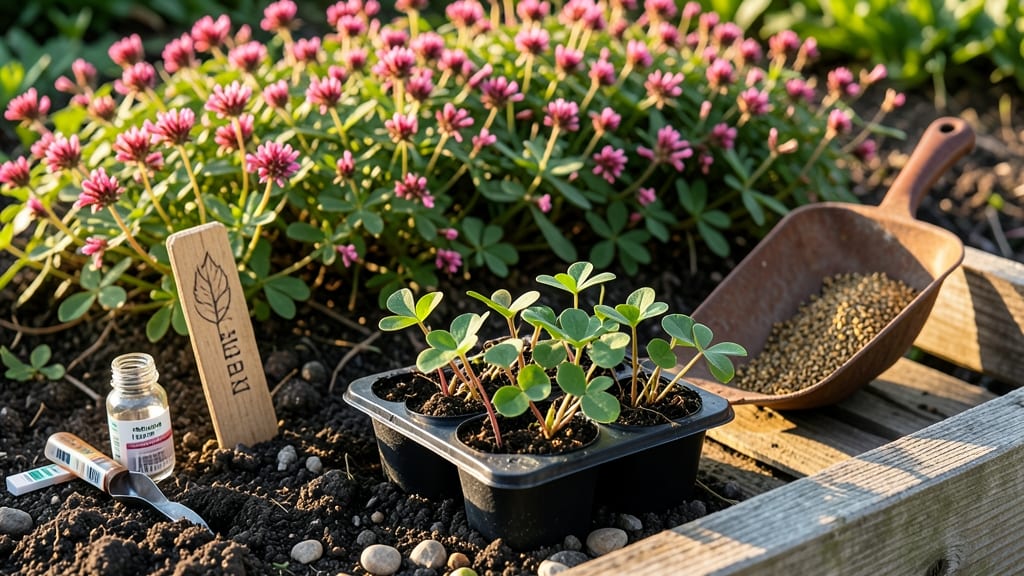
Planting crimson clover in Tennessee isn’t just about picking a month—it’s about outsmarting the state’s tricky frost cycles and soil quirks. With USDA zones 6a-8a throwing unpredictable freezes your way, timing matters more than most gardeners realize.
The difference between a thriving 🌸 Crimson Clover cover crop and a failed experiment often comes down to when you drop those seeds.
Here’s the hard truth: Tennessee’s late-summer heat can scorch seeds if planted too early, while waiting too long risks frost zapping your young plants before they establish roots. The sweet spot? Late August through October—when soil temps hover between 50-55°F and the first frost still feels weeks away.
But don’t just guess—your region’s microclimate (East TN’s humidity vs. Middle TN’s dry spells) demands a tailored approach.
I’ve seen gardeners in Nashville and Chattanooga pull off zero-frost survival with crimson clover by using simple soil thermometers and degree-day models. It’s not rocket science, but it is about working with Tennessee’s climate instead of against it.
Ready to learn the exact tricks that’ll have your clover blooming like clockwork next spring?
Whether you’re a farmer, homesteader, or backyard gardener, mastering these timing secrets could save you hundreds in reseed costs—and turn your cover crop into the most reliable part of your garden. Let’s break down the regional rules that actually work in 6a-8a.
Optimal planting windows for crimson clover in Tennessee by region
Tennessee’s diverse climate—from the Appalachian highlands to the Mississippi Delta—means your crimson clover planting window varies by region. In East Tennessee (USDA Zone 6a-7a), where frosts arrive early, aim for late August to early September to establish roots before winter.
Meanwhile, West Tennessee (Zone 7b-8a) gardeners can push planting until mid-October thanks to milder winters. Middle Tennessee falls somewhere in between, with September 15 as the ideal cutoff.
For all regions, the key is planting when soil temperatures drop to 50-55°F—crimson clover’s sweet spot for germination. Use a soil thermometer to confirm; if temps hover above 60°F, wait a week or two.
This timing ensures seeds sprout before hard frosts (below 25°F) hit, which can kill young plants. In East Tennessee’s higher elevations, even September plantings may need row covers for extra protection.
Spring planting is riskier in Tennessee but possible in Zone 8a areas (e.g., Memphis). If you choose this route, sow seeds in early March—after the last frost (average April 15)—to capitalize on Tennessee’s long growing season.
However, fall planting remains the gold standard for winter cover crop success, providing erosion control and pollinator habitat year-round.
🌱 Pro Tip: Adjust for microclimates! South-facing slopes warm faster than valleys, so plant 1-2 weeks earlier in sunny spots. Conversely, shady or low-lying areas may need a 2-week delay to avoid early frosts.
🌿 Tennessee Crimson Clover Planting Windows by Region
| Region | USDA Zone | Ideal Planting Window | Soil Temp Threshold | Frost Risk Notes |
|---|---|---|---|---|
| East Tennessee | 6a-7a | Late August - Early September | 50-55°F | Early frosts (Oct-Nov); high elevations need row covers |
| Middle Tennessee | 7a-7b | Mid-August - Mid-September | 50-55°F | Moderate frost risk; adjust for urban heat islands |
| West Tennessee | 7b-8a | Late August - Mid-October | 50-55°F | Milder winters; can push later dates |
| Spring Planting (All Regions) | 6a-8a | Early March (Zone 8a only) | 55-60°F | High risk in Zones 6a-7a; reserve for warm microclimates |
📅 Plan Ahead: Use your local Cooperative Extension Service frost date maps for precise timing.
In East Tennessee’s mountainous areas, like the Great Smoky Mountains, aim for September 1-15 to avoid early snow events. These regions often see first frosts by October 15, leaving little room for error.
For Middle Tennessee (e.g., Nashville), September 1-30 is ideal, while West Tennessee (e.g., Jackson) can extend planting until October 15 with minimal frost risk.
🌡️ Soil Temperature Hack: If your soil is too warm (>60°F), wait until nighttime temps drop below 70°F for 3-5 consecutive days. This signals summer’s end and improves germination rates. Use a shade cloth over freshly planted seeds if daytime heat persists.
For urban gardeners, Tennessee’s "heat islands" (like downtown Nashville) can delay frost by 1-2 weeks. Monitor local weather stations and adjust your planting date accordingly. If you’re unsure, err on the earlier side—crimson clover establishes faster in cooler soils and outcompetes weeds before winter sets in.
Finally, consider cover crop mixes if planting late. Pairing crimson clover with winter rye or hairdresser vetch extends your planting window into early October while improving soil health. Just ensure the mix aligns with your frost-free goals—some companions germinate slower and may struggle in Tennessee’s short fall window.
✅ Success Check: After planting, press your finger 1 inch into the soil. If it feels cool but not cold, your seeds are in the perfect zone for germination. If it’s still warm, wait a week or two—patience pays off with hardier plants ready for winter.
Soil temperature secrets: how to time planting for maximum germination
Timing your crimson clover planting in Tennessee isn’t just about months—it’s about soil temperature. Seeds need consistent 50-55°F soil temps to germinate, and Tennessee’s microclimates make this tricky.
I’ve learned the hard way that planting too early (when soil is still warm) or too late (when frosts loom) can kill your chances before they start.
Start by testing your soil temperature with a simple soil thermometer (just $10 at garden centers). Check temps at 8 AM in full sun—this mimics ideal planting conditions. If your soil is above 60°F, wait 1-2 weeks. Below 50°F? You’re too early unless you’re using cold-hardy varieties.
Here’s my pro tip: Use degree-day models to predict germination. Tennessee’s USDA zones 6a-7b average 3,000-3,500 degree-days between last frost (April 15) and first frost (Nov 1). Aim to plant when you’ve accumulated 1,200-1,500 degree-days—this usually lands in late August to mid-September for most regions.
- 50-55°F: Ideal germination range
- Above 60°F: Wait 1-2 weeks or use shade cloth
- Below 45°F: Risk of frost damage to seedlings
- Consistency: Avoid planting if temps fluctuate >10°F daily
Don’t let Tennessee’s late summer heat fool you—just because the air feels cool doesn’t mean the soil is ready. In East Tennessee’s higher elevations (like Knoxville), soil cools faster, so you can plant 2-3 weeks earlier than in West Tennessee’s Memphis area.
Always err on the side of waiting; established roots beat early blooms when winter hits.
For extended season planting, use mulch blankets (straw or black plastic) to warm soil in early fall or protect seedlings if a cold snap hits. I’ve had success with row covers in Zone 6a areas like Bristol, letting me plant as late as October 1st without frost damage.
Just remove covers by November 15th to avoid overheating.
Remember: Crimson clover is a winter cover crop, not a spring flower. The goal is root establishment, not blooms. If your seeds sprout but stunt before winter, you planted too late.
Aim for 4-6 weeks of growth before first frost—this gives roots time to penetrate 6+ inches deep, ensuring survival.