
Plants
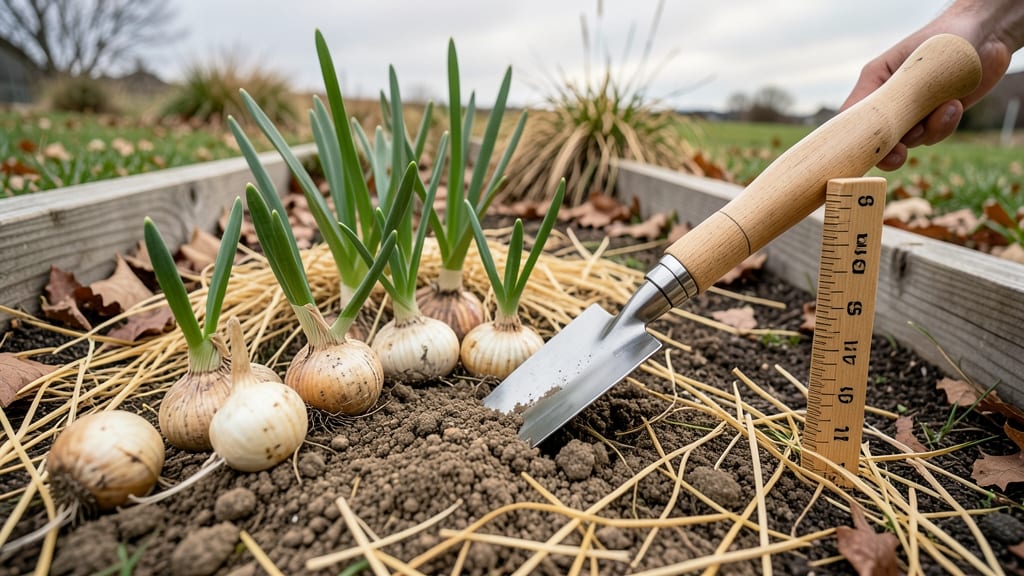
Planting daffodil bulbs in Northern California at the wrong time means risking frost damage or weak blooms next spring—but timing it right unlocks vibrant, long-lasting flowers year after year.
With our mild winters and varied microclimates, the ideal window isn’t one-size-fits-all, but October through December gives you the best shot at success.
Why does timing matter so much? Daffodils need 6-8 weeks to establish roots before winter sets in, and planting too early can lead to premature growth, while waiting too long leaves them vulnerable to frost.
In zones like 8a-9b, where frost dates shift dramatically from coastal to inland areas, knowing your local frost-free window is the key to strong, healthy plants.
Whether you're a first-time gardener or a seasoned pro, this guide will walk you through the exact steps to plant your 🌼 daffodil bulbs for zero-frost success—from soil prep to spacing and post-planting care. Let’s make sure your garden bursts with color next spring!
Ready to dive in? We’ll cover regional planting windows, critical factors like soil temperature, and a foolproof checklist to ensure your bulbs thrive—no matter where you are in Northern California.
Northern California daffodil planting zones: when to plant by region
Northern California’s diverse climate—from the cool coastal fog of the Bay Area to the warmer inland valleys of Sacramento—means daffodil planting times vary dramatically. To maximize your spring blooms, plant bulbs when soil temps drop to 60°F or below, typically 6-8 weeks before the first frost.
Coastal areas like San Francisco can plant later, while inland zones like Sacramento need an earlier start.
Microclimates play a huge role. A San Jose garden might see frost by December 15, while Redding’s high desert could freeze as early as November 15. Use your local USDA Zone (8a-10a) as a guide, but always check frost date averages for your exact neighborhood.
For example, Santa Rosa (Zone 9b) can plant through mid-December, while Chico (Zone 7b) should finish by November 15.
Here’s how to match your region to the perfect planting window:
| Region | USDA Zone | Ideal Planting Window | Last Safe Date | Notes |
|---|---|---|---|---|
| Bay Area (San Francisco, Oakland) | 9a-10a | Mid-October to December 15 | December 20 | Coastal fog delays frost; plant later. |
| Sacramento Valley (Sacramento, Davis) | 8a-9a | September 15 to November 15 | November 30 | Warmer inland zones; plant earlier. |
| Northern Mountains (Redding, Chico) | 7b-8a | September 1 to October 31 | October 15 | Cooler nights; plant ASAP. |
| Central Coast (Santa Barbara, Monterey) | 9b-10a | October 15 to December 1 | December 10 | Mild winters; extend window. |
If you’re unsure about your local frost dates, check the National Weather Service or your local Cooperative Extension office. For example, Berkeley’s average first frost is January 10, while Fresno’s is December 1.
Planting too late risks bulb rot from winter rains, while planting too early may cause premature sprouting in warm spells.
For container gardening in Northern California, the rules shift slightly. Since pots warm up faster, aim to plant 2-4 weeks earlier than in-ground bulbs. Use black plastic pots to absorb heat if you’re pushing the late-season limit. Just ensure your containers have drainage holes—daffodils hate soggy roots.
Pro tip: If your area has unpredictable weather, like heat spikes in November, cover newly planted bulbs with a lightweight frost blanket until soil temps stabilize. This trick works wonders in Sacramento’s rollercoaster fall weather.
Finally, remember that daffodils thrive in Northern California’s mild winters. Unlike tulips, they’re frost-tolerant and often bloom earlier in coastal zones. By planting at the right time, you’ll enjoy cheerful yellow trumpets pushing through the soil as early as February in the Bay Area.
🌼
Critical factors that determine perfect planting timing
Planting daffodil bulbs at the right time in Northern California isn’t just about picking a month—it’s about understanding soil temperature, frost dates, and the bulbs’ natural dormancy cycle. In USDA Zones 8a-9b, where winters are mild but frost can still sneak in, timing is everything.
The ideal window ensures bulbs establish roots before winter sets in, but planting too early can trigger premature growth, leaving them vulnerable to cold.
First, soil temperature is your best friend. Daffodil bulbs need the ground to be below 60°F (15°C) but not frozen. In Northern California, this typically happens in late October to early November, but coastal areas like San Francisco may stay warmer longer.
Use a soil thermometer to check—plant when temps consistently dip below 60°F at a depth of 6 inches.
Next, frost dates vary wildly across the region. The Bay Area might see its last frost in mid-December, while inland areas like Sacramento could freeze as early as late November. Aim to plant 4-6 weeks before your area’s first frost—this gives roots time to anchor before winter.
Check your local frost-free date (e.g., December 15 for most of Northern California) and work backward.
Don’t overlook bulb dormancy. Daffodils need a period of cold to bloom vigorously in spring. Planting too late (e.g., January) may delay flowering or result in weaker stems. If you miss the fall window, you can plant in early winter, but success drops sharply after mid-January.
Microclimates play a huge role. Coastal gardens stay warmer, while inland valleys cool faster. If you’re near the coast, you might push planting into early December, but inland areas should plant by mid-November. Observe your garden’s unique conditions—does it sit in a frost pocket? Is it sheltered by hills? Adjust your timing accordingly.
Finally, moisture levels matter. Daffodils need consistent moisture to root, but soggy soil can rot bulbs. Plant when your area’s rainfall patterns shift toward cooler, wetter conditions—typically October to December. If your soil drains poorly, amend it with compost or sand before planting to prevent waterlogging.
By aligning these factors—soil temp, frost dates, dormancy needs, and microclimates
Pro tip: Use a soil thermometer and local frost date tools to avoid these pitfalls. Now that you know the critical factors, let’s dive into a step-by-step⚠️ Watch Out for These Timing Mistakes