
Plants
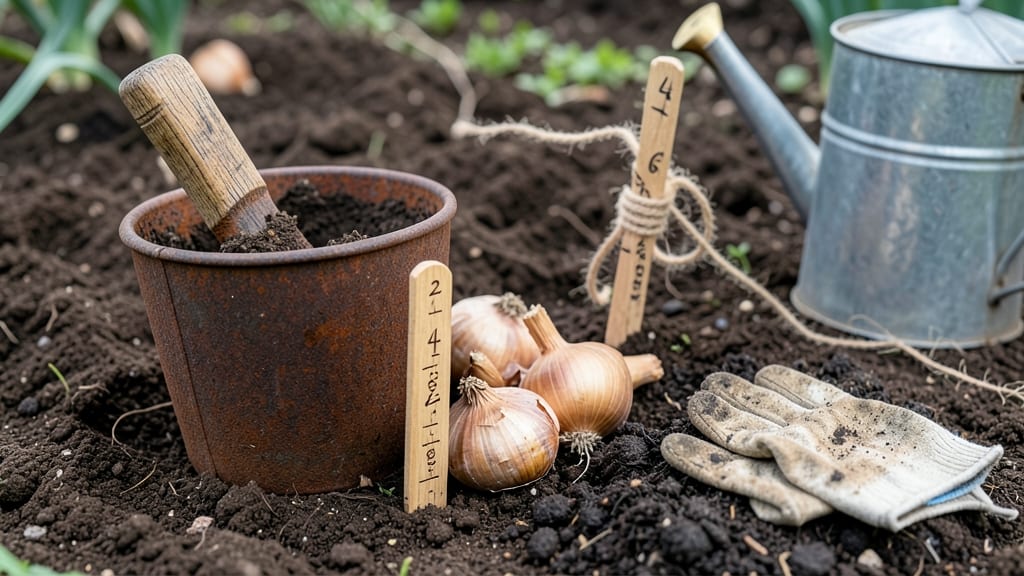
Timing your daffodil bulb planting in Seattle is the secret to those cheerful 🌼 blooms that greet spring with color. With our mild winters and unpredictable frost dates, getting it right means the difference between a thriving garden and a missed opportunity.
Seattle’s Zone 8a climate gives you a narrow but critical window—typically between October and November—to plant bulbs deep enough to survive winter while still establishing roots before the ground freezes. Miss this window, and you risk weak growth or no blooms at all.
But here’s the good news: with the right preparation, you can adjust for Seattle’s quirks, like urban heat islands or late frosts. I’ll walk you through the exact steps to plant your daffodils for maximum impact, including soil prep and microclimate tips tailored to your neighborhood.
Ready to transform your garden into a springtime showstopper? Let’s dive into the perfect timing and techniques for planting daffodils that will make your Seattle yard the envy of the block.
Best planting months for daffodils in Seattle’s Zone 8 climate
Seattle’s Zone 8 climate creates a unique window for planting daffodil bulbs—one that balances cool soil temperatures with avoiding early frosts. Unlike warmer regions, we can’t wait until late fall; timing is everything to ensure those cheerful blooms appear in April and May.
The ideal timeframe is mid-October through November, but let’s break down why this works so well for our Pacific Northwest conditions.
Local frost dates play a critical role. Seattle’s first average frost typically arrives around November 1st, but urban areas like downtown may stay warmer for weeks. Meanwhile, rural areas like Snoqualmie Pass can experience frost as early as October 15th.
Planting 4-6 weeks before ground freezes gives bulbs time to establish roots—critical for surviving our wet, mild winters.
Soil temperature is another key factor. Daffodils need 50-60°F soil to start root growth, which Seattle usually hits by mid-October. If you plant too early (like September), bulbs may sprout prematurely and get damaged by late summer heatwaves. Waiting until October 15th gives you that perfect balance.
Here’s a quick reference for Seattle’s planting timeline based on microclimates:
| Zone 8 Microclimate | Ideal Planting Window | Soil Temp Threshold | Key Consideration |
|---|---|---|---|
| Urban (Downtown, Ballard) | Late October - Early November | 50-55°F | Warmer microclimate delays frost |
| Suburbs (Bellevue, Kirkland) | Mid-October - Late October | 55-60°F | Moderate cooling; plant earlier |
| Eastside (Redmond, Sammamish) | Early October - Mid-October | 60°F+ | Drier, faster cooling |
| West Seattle (Admiralty, Westwood) | Late October - November | 50-55°F | Cooler, wetter conditions |
If you’re unsure about your local frost dates, check the National Weather Service’s Seattle forecast or use the Old Farmer’s Almanac for historical data. For most gardeners, October 15th is a safe bet—it’s early enough for root establishment but late enough to avoid late summer heat stress.
Pro tip: Use a soil thermometer ($10 at garden centers) to confirm soil temps. Daffodils need consistent 50°F+ soil for 2-3 weeks before planting. If your soil is still warm in October, wait another week or two. Patience here prevents premature sprouting, which weakens bulbs before winter.
Once you’ve nailed the timing, focus on planting depth. In Seattle’s clay-heavy soils, dig holes 6-8 inches deep—about 3x the bulb’s height. This depth protects bulbs from rodent damage (a common issue in our rainy winters) and ensures they stay moist but not waterlogged.
After planting, cover the area with 2-3 inches of mulch (straw or shredded leaves work well). This insulates bulbs during temperature swings and suppresses weeds. Just avoid piling mulch directly against bulb stems to prevent rot.
With the right timing and prep, your daffodils will reward you with bold blooms by late April—just in time to chase away Seattle’s gloomy skies! 🌼
How to adjust planting for Seattle’s unpredictable weather patterns
Seattle’s mild winters and unpredictable frost dates can throw off even the best-laid daffodil planting plans. Unlike drier climates, our rainy seasons and urban heat islands create microclimates where frost arrives earlier in some areas (like Ballard) than others (like Redmond).
Here’s how to adapt your timing and prep work to Seattle’s quirks.
First, check your local frost dates—they can vary by 2-3 weeks across the city. The USDA Zone 8a average first frost is November 1, but urban areas like downtown Seattle may see frost as early as October 15.
Plant 4-6 weeks before your expected frost date to give roots time to establish.
🌱 Pro Tip: Use a soil thermometer to confirm when soil temps drop below 50°F (10°C). Daffodil bulbs need this chill period to bloom, but they’ll rot if planted in cold, soggy soil. Aim for 50-60°F (10-15°C) soil temps—ideal for root growth before winter.
🌧️ Watch for Rain Delays
Seattle’s October-November rains can turn planting soil into mud. If ground is waterlogged, wait 2-3 days for it to dry enough to work. Compacted soil prevents root growth—amend with compost or sand if needed.
For urban gardens (like Pike Place or Capitol Hill1-2 weeks. If your area stays warmer, extend your planting window into early December. Conversely, elevated areas (like Queen Anne) may frost earlier—plant by late October there.
Mulch heavily (3-4 inches) after planting to insulate bulbs from temperature swings. Use straw or shredded leaves—they’re better than wood chips, which can mat and trap moisture. Remove mulch in late winter to let sunlight warm the soil for spring blooms.
If frost hits unexpectedly, cover newly planted bulbs with burlap sacks or frost cloth for 1-2 nights. This buys time for roots to establish without freezing. For late plantings (December or later), choose smaller bulbs (like 'Tête-à-Tête')—they’re more resilient to cold.
Finally, test your soil’s drainage before planting. Seattle’s clay-heavy soils can hold too much water. Mix in organic matter (like compost) to improve aeration. Well-draining soil prevents bulb rot, even in wet winters. 🌿