
Plants
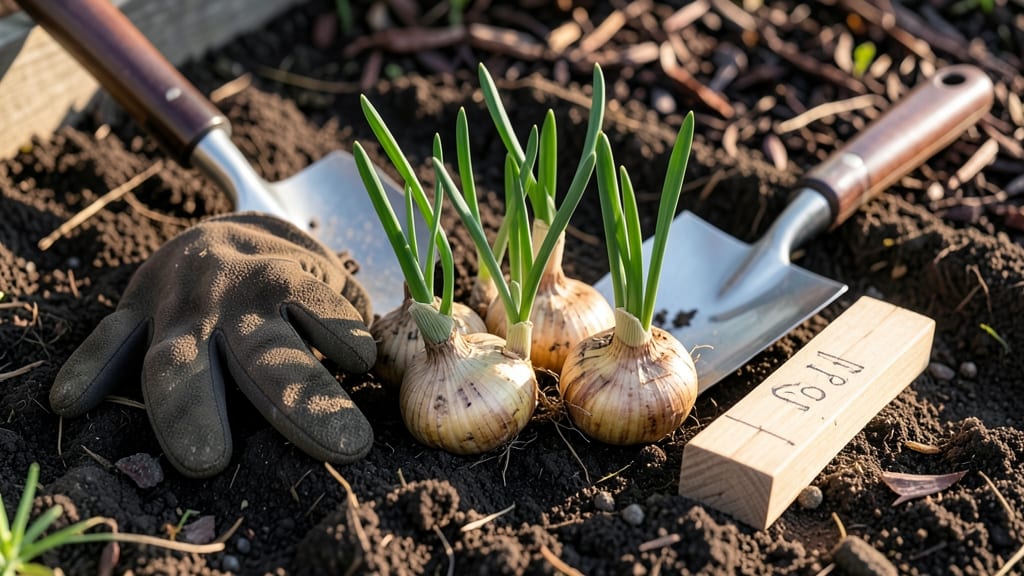
If you’ve ever wondered when to plant daffodils in Maryland, timing is the secret to those cheerful 🌼 blooms popping up every spring.
Maryland’s 7a-7b climate means frost can sneak in early or linger late, so planting too soon or too late risks wasted bulbs—or worse, no flowers at all.
Most gardeners in Maryland swear by fall planting, but the exact window depends on your zone and local frost patterns. Get it right, and you’ll enjoy vibrant blooms by March; get it wrong, and you might be digging up soggy bulbs or watching them freeze before they take root.
I’ll walk you through the perfect planting timeline—from soil prep to frost dates—so you can confidently tuck those bulbs in the ground. Whether you’re in Baltimore’s urban heat islands or the cooler Appalachian foothills, these tips will help you avoid common mistakes and set your garden up for success.
Ready to master Maryland’s daffodil schedule? Let’s break down the best months, soil tricks, and even how to adjust for those tricky early frosts. Your spring garden will thank you!
Maryland daffodil planting calendar by USDA zone (5b-7a)
Maryland’s USDA zones 5b-7a create a tricky timeline for daffodil planting, but I’ve broken it down so you can plant with confidence. The key? Soil temperature and frost dates—not just the calendar.
In zone 5b (Western MD mountains), aim for 6 weeks before ground freezes (usually mid-October), while zone 7a (Eastern Shore) can wait until early November.
Baltimore’s microclimate often falls in zone 6b-7a, giving you a 2-week buffer compared to rural areas. Always check your local first frost date (typically November 15) and adjust. For example, if frost hits early, plant by October 15—even in zone 7a.
Here’s the golden rule: Plant daffodils when soil temps drop below 60°F but before ground freezes. Use a soil thermometer to confirm—Maryland’s fall soil cools fast after early October. Pro tip: Container planting extends your window in colder zones like 5b.
| USDA Zone | Ideal Planting Window | Soil Temp Goal | Local Adjustments |
|---|---|---|---|
| 5b (Western MD) | Mid-October | Below 60°F | Plant by Oct 15 if frost risks early |
| 6a (Central MD) | Late October | 55-60°F | Baltimore area: Wait until Nov 1 |
| 7a (Eastern Shore) | Early November | 50-55°F | Can plant until Nov 15 in mild years |
🌱 Pro Tip: Use mulch (3-4 inches) after planting to insulate bulbs.
Spring planting is possible but risky in Maryland. If you miss fall, plant in early March (zone 7a) or late March (zone 5b) when soil warms to 50°F. However, spring-planted daffodils often bloom later and are more vulnerable to squirrel theft—bury bulbs 8-10 inches deep to deter them.
For container gardening, follow the same zone rules but use well-draining pots with drainage holes. Move pots to a garage or insulated area if frost threatens before bulbs root. In zone 5b, this means protecting containers by late October.
Maryland’s unpredictable weather means flexibility is key. If you’re unsure, plant early—daffodil bulbs won’t sprout until spring, so they’ll wait patiently in the ground. Just avoid planting after the first frost, or your bulbs may rot before winter.
Remember: Daffodils naturalize over time, meaning they’ll multiply and return yearly if planted correctly. In zone 7a, they may even bloom twice in one season—a Maryland gardener’s dream! Start now, and you’ll have years of low-maintenance color.
🌼 Final Check: Grab a soil thermometer, mark your frost date, and plant 6 weeks before—your spring garden will thank you!
5 Critical signs your Maryland daffodil planting time is wrong (and how to fix it)
Planting daffodils at the wrong time in Maryland can turn your spring blooms into a wasted investment. Even experienced gardeners sometimes miss the ideal window—especially when dealing with Maryland’s unpredictable frost dates. Here’s how to spot the red flags and course-correct before it’s too late.
First, if your daffodil bulbs start sprouting in late winter (February or early March) before the last frost, they’re at risk. Young shoots won’t survive a hard freeze, and you’ll lose your spring display entirely. This is a classic sign you planted too early in zones 5b-6a.
Bulbs pushing up through soil in February/March mean you planted too soon. Fix it by mulching heavily (4-6 inches) or moving pots to a sheltered spot.
If bulbs feel squishy when planted, you waited too late (after November 15). Cold soil slows root growth, leading to rot. Plant 6 weeks before frost (early October for zone 5b).
Planting in soggy fall soil (common after heavy rains) causes bulbs to rot before winter. Amend soil with compost or plant in raised beds for better drainage.
Blackened or crispy shoots in spring? You planted too shallow (less than 6 inches deep) or in zone 5b’s harsh microclimates. Replant bulbs deeper (8-10 inches) next fall.
Daffodils need 6-8 weeks of cold to bloom. If you’re in zone 7a and get mild winters, plant cold-hardy varieties like ‘Ice Follies’ or use a refrigerator trick (store bulbs at 40°F for 8 weeks before planting).
Maryland’s microclimates add another layer of complexity. For example, Baltimore’s urban heat islands can delay first frosts by 1-2 weeks compared to Western MD’s mountains. Use your local CoCoRaHS frost data (or a frost calendar from your county extension office) to fine-tune your timing.
Pro tip: If you’re new to Maryland gardening, test your soil’s freeze depth by burying a stick in late October. Mark where the soil line is—this tells you how deep to plant bulbs to avoid frost heave.
Aim for 3x the bulb’s height (e.g., 6-inch bulbs → 18-inch depth).
Remember, daffodils are perennials, but getting their planting timing right the first year sets the stage for years of low-maintenance blooms. If you’ve already missed this year’s window, don’t panic—spring planting (March-April) is an option for zone 7a, though blooms may be smaller.
Just be prepared to water deeply and stake tall varieties.