
Plants
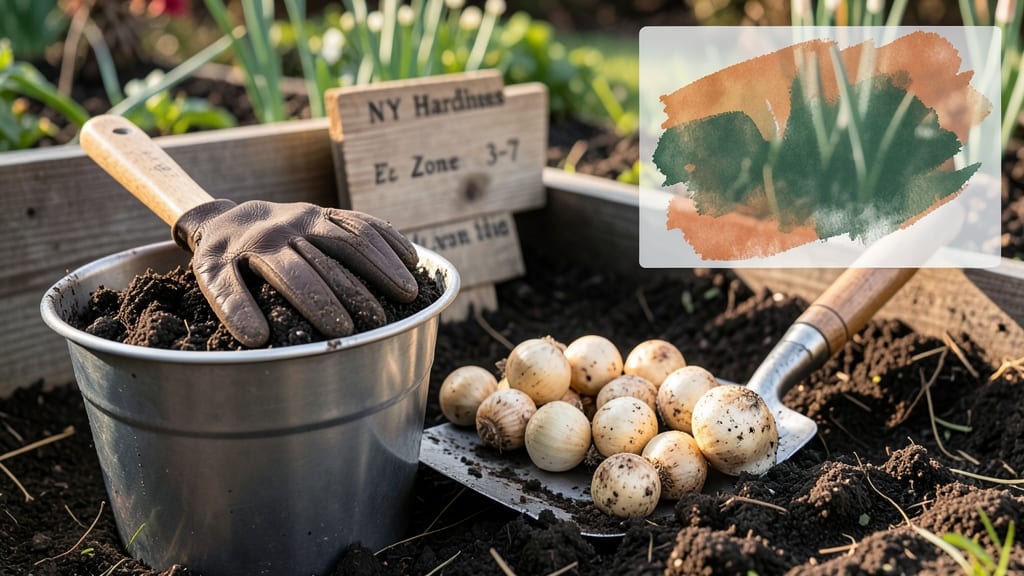
Timing your daffodil planting in New York can mean the difference between a garden full of cheerful 🌼 blooms and a missed opportunity.
In USDA Zone 6a, where winters can be harsh and unpredictable, getting those bulbs in the ground at the right moment is key to their survival—and your springtime joy.
Most gardeners in New York know fall is the magic window, but the exact timing matters. Plant too early, and your bulbs might rot before winter sets in; too late, and they won’t establish strong roots before the ground freezes.
The ideal window stretches from September through November, but local microclimates—like the colder Upstate regions or milder Long Island—can shift that timeline by weeks.
What makes this even trickier? New York’s weather loves to surprise us with early frosts or late warm spells. That’s why understanding soil temperature, frost dates, and even how mulch can protect your bulbs becomes the game-changer for a thriving daffodil patch.
Let’s break down the exact steps to plant yours for zero-frost success.
Whether you’re a seasoned gardener or just starting, these insights will help you avoid common mistakes and ensure your daffodils burst into bloom right when you need them—April through May. Ready to learn the secrets to planting like a pro?
Optimal planting months for daffodils in New York’s USDA Zones 6-7
New York’s USDA Zones 6-7 offer the perfect climate for daffodils, but timing is critical. These hardy bulbs need 6-8 weeks before the ground freezes to establish roots.
In Zone 6 (Upstate NY), aim for late September to early October—earlier than Zone 7 areas like Westchester or Long Island, where mid-October to November works best.
Daffodils thrive when planted in cool soil temperatures (40–50°F). Use a soil thermometer to check—if temps drop below 40°F, delay planting until conditions stabilize. In NYC’s urban heat islands, soil may stay warmer longer, so adjust your window 1-2 weeks later than rural areas.
For early blooms, prioritize September planting. Bulbs planted in late October or November risk rotting before winter dormancy sets in. In Zone 6, the first frost typically arrives mid-October, while Zone 7 holds off until late October–November.
Here’s how regional microclimates affect your timeline:
| Region | USDA Zone | Ideal Planting Window | First Frost Date |
|---|---|---|---|
| Upstate NY (Albany, Syracuse) | 6a-6b | Late September–Early October | Mid-October |
| Hudson Valley (Poughkeepsie) | 6b-7a | Early–Mid October | Late October |
| NYC & Westchester | 7a-7b | Mid–Late October | Early November |
| Long Island (Nassau/Suffolk) | 7b | Late October–Early November | Mid-November |
If you miss the primary window, don’t panic! Daffodils can handle late fall planting (even December) as long as the ground isn’t frozen. However, early spring planting (March) is riskier—the bulbs may sprout too soon and get fried by late frosts.
For container gardeners, plant in late September to avoid root-bound stress.
Pro tip: Chill bulbs for 6-8 weeks before planting if you buy them early. Store them in a cool, dark place (35–40°F), like a garage or refrigerator, to mimic winter dormancy. This trick helps bulbs bloom earlier in spring.
For maximum blooms, plant daffodils in clumps of 3–5 bulbs, spaced 4–6 inches apart. Deeper planting (6–8 inches deep) in sandy soil prevents heaving during freeze-thaw cycles. In clay-heavy areas, amend soil with compost or perlite to improve drainage.
Remember: Daffodils planted in fall will reward you with spring’s first splash of color, often appearing before snow melts. In Zone 6-7, expect blooms as early as late March for early varieties or April–May for later types.
The key is consistency—stick to your region’s timeline, and you’ll enjoy years of effortless blooms.
🌼
Optimal planting months for daffodils in New York’s USDA Zones 6-7
New York’s USDA Zones 6-7 offer a narrow window for planting daffodils—typically September through November. This timing ensures bulbs establish roots before winter’s freeze, while avoiding spring planting, which often leads to poor root development.
In Zone 6 (Upstate NY), aim for late September to early October, while Zone 7 (Westchester, Long Island) can extend planting until mid-November.
Soil temperature is your best guide: plant when it drops to 40-50°F. Use a soil thermometer to check—this usually aligns with 6-8 weeks before the first hard frost (typically mid-October in NYC).
Early planting in August is risky unless you’re in a warm microclimate like Long Island’s south shore.
For Zone 6 gardeners, prioritize late September planting to avoid early frosts that can damage tender roots. In Zone 7, you have more flexibility—October and November work well, even if ground isn’t frozen. Always plant after the first frost of the season to prevent bulb rot.
| Zone & Region | Ideal Planting Window | Soil Temp Goal | Key Tip |
|---|---|---|---|
| Zone 6 (Upstate NY) | Late September–Early October | 40–50°F | Avoid early frosts; use mulch |
| Zone 7 (Westchester, NYC) | October–Mid-November | 45–55°F | Extend to November if ground isn’t frozen |
| Long Island (Zone 7b) | September–November | 50–60°F | Warmer microclimates allow later planting |
Microclimates play a huge role in New York. Urban gardens in NYC (Zone 7a) may see earlier frosts than suburban areas, so adjust planting dates accordingly. For example, Central Park’s microclimate often freezes 2 weeks earlier than Brooklyn.
Use local frost data from National Weather Service or Cornell Cooperative Extension to fine-tune your timing.
If you miss the fall window, December planting is possible in Zone 7—just plant shallowly (4 inches deep) and cover with straw mulch to insulate bulbs. However, spring planting (March–April) is not recommended—daffodils need time to root before summer heat arrives.
Pro tip: Label your planting spots with stakes or a garden journal. Daffodils take 6-8 weeks to root after planting, so tracking your exact dates helps future planning. Aim for 60–90 days before the first hard frost—this ensures bulbs are established but not actively growing when winter hits.