
Plants
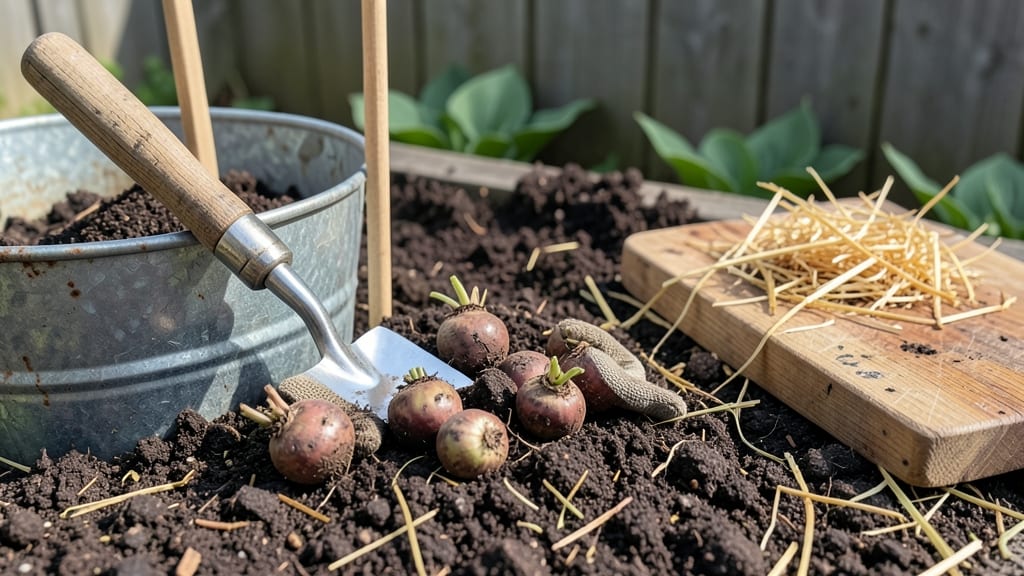
Planting dahlias in Kentucky at the wrong time can mean wilted blooms before they even begin—but getting the timing right transforms your garden into a vibrant summer showstopper. With USDA Zone 6a’s unpredictable springs, knowing exactly when to plant your 🌼 dahlias is the key to success.
Most Kentucky gardeners wait until late April to mid-May, after the last frost date, but even that window can shift based on your microclimate. Whether you're in Louisville, Lexington, or Bowling Green, soil temperature and weather patterns play a bigger role than just calendar dates.
In this guide, I’ll break down the perfect planting window for your zone, plus soil prep tips to help your dahlias thrive despite Kentucky’s humid summers. You’ll learn how to adjust for early or late springs and avoid common mistakes that kill blooms before they open.
Ready to grow dahlias that burst with color from July to October? Let’s get your timing—and your garden—just right.
Kentucky’s frost-free timeline for planting dahlias (Zone 6a/6b)
Dahlias love Kentucky’s long growing season, but timing is everything. In USDA zones 6a/6b, the average last frost date falls around April 15, but your exact window depends on elevation and microclimates. Louisville typically warms up 1-2 weeks earlier than Bowling Green, so adjust accordingly.
For peak blooms, aim to plant 4-6 weeks after your last frost—usually late April to mid-May. This gives dahlias time to establish roots before summer’s heat arrives. If you’re in a higher-elevation area (like eastern KY), wait until mid-May to avoid frost damage.
Here’s how to use Kentucky’s frost-free timeline for dahlias:
| Stage | Action | Kentucky Benchmark |
|---|---|---|
| Pre-Planting | Soak tubers in lukewarm water for 24 hours | Early April |
| Planting Window | Plant when soil reaches 60°F (15°C) | Late April–Mid-May |
| First Blooms | Expect blooms 90-120 days after planting | July–August |
| Season Extension | Use row covers to extend blooms into October | Until first frost (Oct 15) |
If you’re unsure about your last frost date, check the National Weather Service or local Cooperative Extension Service for updates. For example, Lexington’s last frost often occurs April 20, while Bowling Green’s can be as late as May 1.
For container gardening, you can plant dahlias 2 weeks earlier since pots warm up faster. Just ensure your container has drainage holes to prevent root rot—a common issue in Kentucky’s humid summers.
Pro tip: Mark your calendar for October 15, the average first frost date. This is when you’ll need to dig up and store your dahlia tubers before winter sets in.
If you’re in a warmer microclimate (like near the Ohio River), you might push planting to early April. But if you’re in a cooler valley, wait until mid-May to avoid frost damage to tender tubers.
Remember, dahlias need 6+ hours of sun daily, so choose a spot with full sun exposure. In Kentucky’s climate, this often means a south-facing garden bed or near a sunny fence.
For extended blooms, consider planting a mix of early, mid, and late-season varieties. This ensures continuous color from July through October, even if early blooms fade.
Always test your soil’s drainage before planting. Kentucky’s heavy clay soils can suffocate dahlia roots, so amend with compost or sand if needed. A simple percolation test (pouring water into a hole and timing drainage) will save you from soggy soil headaches.
Kentucky’s frost-free timeline for planting dahlias (Zone 6a/6b)
Kentucky’s USDA zones 6a/6b offer the perfect balance for growing dahlias, but timing is everything. The average last frost date across Louisville, Lexington, and Bowling Green typically falls between mid-April and early May.
Planting too soon risks frost damage to tender tubers, while waiting too long can shorten your blooming season.
For optimal results, aim to plant dahlia tubers 4-6 weeks after your last frost. This usually lands in late April to mid-May for most of Kentucky. If you’re unsure, check local frost date averages—the National Weather Service or Kentucky Mesonet provide reliable updates.
Pro tip: Use a soil thermometer to confirm the ground has warmed to 60°F (15°C) before planting.
| Stage | Action | Kentucky Timeline |
|---|---|---|
| Pre-Planting | Soak tubers, amend soil | Mid-March to early April |
| Planting Window | Set tubers 4-6" deep | Late April–mid-May |
| First Blooms | Expect flowers in 90-120 days | Late July–early August |
| Peak Season | Full bloom, harvest flowers | August–October |
| Frost Prep | Cut back, mulch, or dig tubers | Mid-October |
If you’re in Zone 6a (cooler areas like northern Kentucky), err on the side of planting later—wait until mid-May to avoid surprise frosts. For Zone 6b (warmer southern regions), you can safely plant as early as late April.
Always monitor weather forecasts for late-season cold snaps, especially in May.
For gardeners eager to extend the season, consider starting tubers indoors in March. Use grow lights to simulate spring conditions, then transplant outdoors after the last frost. This trick works especially well for taller varieties that need extra time to establish roots before Kentucky’s humid summers arrive.
Remember, dahlias are frost-sensitive but heat-tolerant. Once planted, they’ll reward you with vibrant blooms from July through October, making your garden the envy of the neighborhood. Just don’t rush—patience pays off with bigger, healthier plants and a longer display season.
Pro move: Mark your planting date on a garden calendar and set reminders for fertilizing (every 4-6 weeks) and deadheading (weekly) to keep your dahlias thriving all season. Happy planting! 🌼