
Plants
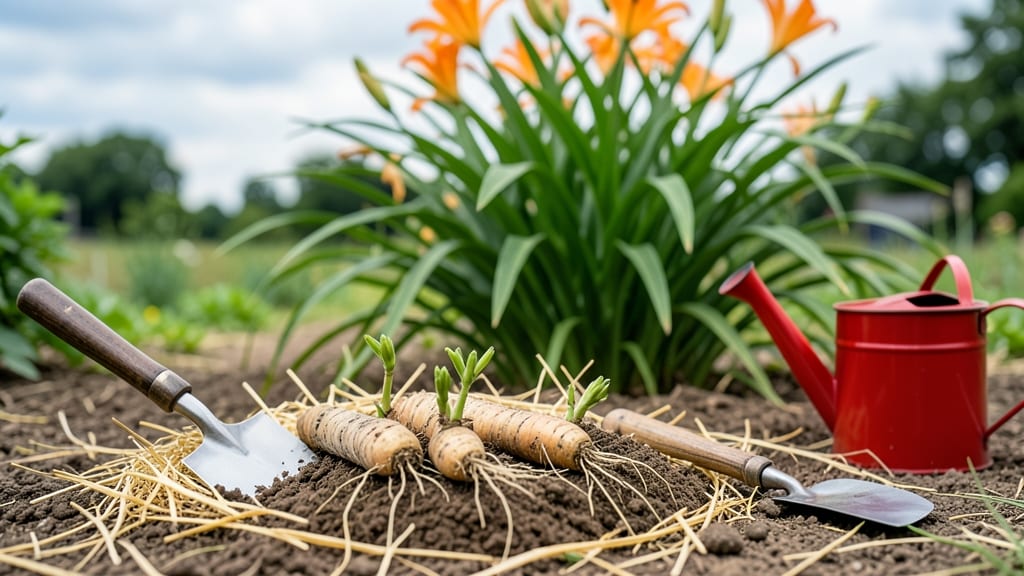
If you're planting daylily bulbs in Zone 9, timing is everything—and getting it wrong could mean struggling to grow those vibrant 🌸 blooms you love.
Unlike cooler climates, Zone 9's relentless heat and minimal frost risk mean you can't follow the same old planting rules. The secret to success? Planting in late summer to early fall—when soil stays warm but extreme heat starts to ease.
This isn't just about avoiding frost (which barely exists here). It's about giving your daylilies the perfect conditions to establish strong roots before summer's brutal heat kicks in again.
I'll show you exactly when to plant, how to prep your soil, and what varieties thrive best in Zone 9's unique microclimates.
Whether you're in Southern California, Arizona, or Florida, these insights will help you create a thriving daylily garden that blooms beautifully year after year—without the guesswork.
Optimal Zone 9 planting window: late summer vs. early fall breakdown
Daylilies (Hemerocallis) in Zone 9 demand precision timing to thrive. Unlike cooler climates, the 300+ frost-free days mean we must leverage the monsoon season and cooler soil temperatures of late summer/early fall.
Planting too early risks heat shock; too late, and bulbs struggle to establish roots before winter dormancy. The sweet spot? Late August through mid-September—when soil temps dip below 85°F but humidity remains high.
Zone 9’s microclimates add complexity. Coastal areas like San Diego stay milder year-round, while inland deserts (e.g., Phoenix) experience extreme diurnal shifts.
Your planting window should align with your local moisture patterns—coastal gardeners can push slightly later, while inland growers should plant earlier to capitalize on monsoon rains.
Here’s the critical comparison: planting in late August offers 6–8 weeks of root growth before winter, but soil temps often exceed 90°F, stressing bulbs. Early September strikes a balance—soil cools, moisture increases, and bulbs have 8–10 weeks to establish before dormancy. Mid-September is ideal for coastal Zone 9, where peak monsoon moisture extends root development into 10+ weeks.
| Planting Month | Heat Stress Risk | Moisture Retention | Root Establishment Timeline | Best For |
|---|---|---|---|---|
| Late August | High (soil temps often >90°F) | Moderate (irrigation critical) | 6–8 weeks before frost | Coastal areas or high-elevation Zone 9 |
| Early September | Moderate (soil cools slightly) | Good (monsoon season in SW; coastal humidity) | 8–10 weeks before frost | Inland deserts (e.g., Phoenix, Las Vegas) |
| Mid-September | Low (soil temps drop below 85°F) | High (peak monsoon season) | 10+ weeks (deep roots) | Humid coastal Zone 9 (e.g., San Diego) |
Pro Zone 9 gardeners swear by soaking bulbs 24 hours before planting to offset heat shock. Simply place bare-root divisions in a bucket of lukewarm water—this jumpstarts hydration and reduces transplant stress.
Pair this with a mycorrhizal fungi treatment (available at nurseries) to boost root colonization in the dry soil.
Avoid planting in October—this risks bulbs entering dormancy before roots establish. Instead, aim for early September in inland areas or mid-September near coasts. Spring planting (February–March) is a backup, but bulbs may bolt to flower prematurely in Zone 9’s heat.
For container gardening in Zone 9, plant in early September and use well-draining cactus/succulent mix. Containers dry out faster, so monitor soil moisture daily during the first 2–3 weeks. Elevate pots to improve drainage and prevent bulb rot.
🌱
Soil prep and post-planting care: Zone 9-Specific tips for daylily success
Zone 9’s intense heat and drought conditions demand special prep work before planting daylily bulbs. Unlike cooler climates, your soil must balance drainage and moisture retention to prevent bulb rot or dehydration. Start by testing your soil’s pH level—daylilies thrive in 6.0–7.0.
If your soil tests alkaline (common in desert areas), amend it with elemental sulfur 2–3 months before planting to gradually lower the pH.
For sandy soils (like those in Arizona or coastal Southern California), incorporate 30% compost and 20% coconut coir to improve water retention. Heavy clay soils? Mix in gypsum to break compaction and add perlite for aeration.
Remember, daylily bulbs rot quickly in soggy soil, so prioritize well-draining conditions above all else.
Mix 30% compost (for organic matter) + 20% perlite/pumice (for drainage) into native soil. For clay soils, add gypsum to break compaction. Test pH: Daylilies prefer 6.0–7.0; amend with sulfur if alkaline.
Use 2–3 inches of straw (not wood chips—they mat down). Avoid thick mulch in summer (traps heat); switch to gravel mulch in peak heat (100°F+).
Water deeply 2x/week (1–1.5 inches total) for first 4 weeks post-planting. After root establishment, reduce to weekly deep watering. Pro tip: Water at dawn to prevent evaporation and fungal spores.
Apply balanced 10-10-10 fertilizer at planting, then slow-release 12-4-8 in spring. Avoid high-nitrogen post-planting (promotes leafy growth over roots).
After planting, mulch is non-negotiable in Zone 9. Straw mulch helps retain moisture while allowing airflow to prevent fungal diseases. In inland desert areas (like Phoenix or Las Vegas), switch to gravel mulch during summer to reflect heat away from bulbs.
Watering is another critical factor—overwatering is just as harmful as underwatering. Stick to a deep-soak schedule (1–1.5 inches per week) for the first month, then taper off as roots establish.
One common mistake in Zone 9 is fertilizing too early. Daylilies need balanced nutrition, but too much nitrogen in summer can lead to floppy, weak stems.
Instead, use a slow-release 12-4-8 fertilizer in early spring to support blooming. Avoid fertilizing in peak summer heat—this stresses the plant and attracts pests.
Finally, keep an eye out for signs of stress like yellowing leaves or wilting foliage. These often indicate overwatering or poor drainage. Adjust your care routine immediately—daylilies are resilient, but they won’t forgive consistent mistakes in Zone 9’s harsh conditions.
With the right soil prep and post-planting care, your daylilies will thrive in Zone 9’s heat, blooming beautifully year after year. The key is balancing moisture, avoiding fungal risks, and fertilizing strategically.