
Planting
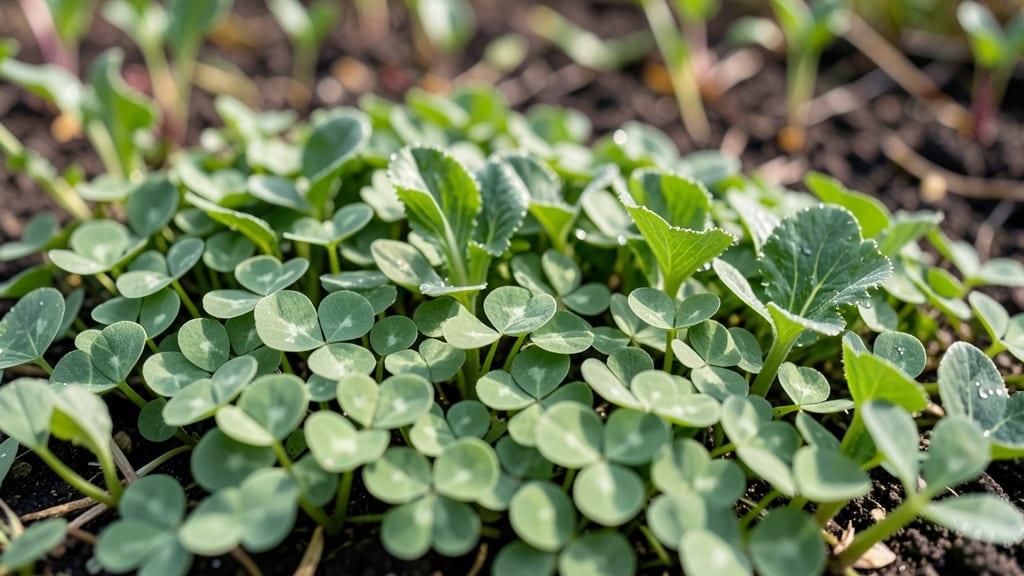
Planting your 🌾 deer food plot at the wrong time in Kentucky could mean wasted seeds and missed hunting opportunities. The key isn't just avoiding frost—it's aligning your planting with soil temperatures and deer activity patterns for maximum impact.
With Kentucky's USDA Zones 6a-7a, you've got two prime windows: early spring (March-April) and early fall (September-October). But here's the catch: planting too early when soils are still cold can stall germination, while waiting too late might leave your plot struggling before winter sets in.
I'll show you exactly how to read your soil's temperature cues, adjust for Kentucky's microclimates, and time your planting to create food sources when bucks are most active during the rut. No more guessing games—just proven strategies to make your food plot work harder for you.
Whether you're planting clover for early-season nutrition or brassicas for fall appeal, these timing secrets will help you establish plots that deer can't resist. Let's get your food plot on the right track from day one.
Kentucky's frost-free planting windows by region (with exact dates)
Kentucky's diverse geography means frost-free windows can vary by 10-14 days between regions. The Bluegrass and Eastern areas typically see last frosts around March 15-20, while the Jackson Purchase can warm up a week earlier.
These differences directly impact when you should plant clover, brassicas, or warm-season mixes for maximum deer attraction.
Understanding your USDA Zone (6a-7a) is critical—Zone 6a (northwest KY) needs earlier plantings than Zone 7a (southwest KY). We've broken down the ideal planting windows for each region, including adjustments for microclimates like river valleys or mountain slopes that can experience 3-5°F warmer soil temps.
For spring plantings, aim to have seeds in the ground 2-3 weeks before your region's last frost date. This gives cool-season crops like clover time to establish before summer heat sets in. Fall plantings should occur 6-8 weeks before your first frost to ensure mature growth before winter.
Here's how Kentucky's 5 key regions compare for planting deer food plots:
| Region | Last Frost Date | First Frost Date | Spring Planting Window | Fall Planting Window |
|---|---|---|---|---|
| Bluegrass | March 15-20 | November 1-5 | March 1-15 | September 1-15 |
| Pennyrile | March 10-15 | October 30-Nov 5 | February 28-March 10 | August 25-Sept 10 |
| Cumberland | March 20-25 | October 25-Nov 1 | March 10-20 | September 10-20 |
| Jackson Purchase | March 5-10 | October 20-25 | February 20-March 5 | August 15-30 |
| Eastern KY | March 25-April 1 | October 15-20 | March 20-April 1 | September 20-Oct 5 |
For warm-season mixes like sorghum-sudangrass, wait until soil temps consistently reach 65°F—typically mid-April to early May in most of Kentucky. These high-protein plots thrive in summer heat and provide rut-season nutrition when bucks need it most.
Pro tip: Use local weather stations (like Kentucky Mesonet) to track soil temps in your specific area. A 3-5°F difference can mean the difference between successful germination and wasted seed. Mountain regions often experience later springs, so adjust planting dates accordingly.
If you're planting clover mixes for early-season forage, don't wait until the last frost date—plant 2-3 weeks before to give seeds time to establish. Brassicas like turnips and radishes can handle light frosts, so you can plant them up to 2 weeks before your region's first frost for fall/winter browse.
Remember: Deer activity peaks during the rut (October-November), so timing your fall plantings to provide peak nutrition during this critical period can make all the difference in your hunting success. Staggered plantings of different species can extend the food availability window by 2-3 months.
Soil temperature secrets: when to plant for maximum deer impact
Understanding soil temperature is the real secret to timing your Kentucky deer food plot perfectly. While air temperature might feel mild, your soil could still be too cold for seeds to germinate properly.
For clover mixes, wait until soils reach 50°F—this usually happens in late March to early April across most of Kentucky.
Brassicas like turnips and radishes need even warmer soils at 55°F, while warm-season grasses and legumes prefer 65°F+ soils. These temperature thresholds ensure your seeds don't sit dormant or rot before sprouting. I've seen too many plots fail because landowners planted too early based on air temperature alone.
Here's how to check: Use a soil thermometer (just $10 at any garden center) and measure 2 inches deep in full sun. If your soil is still below these thresholds, wait another week—patience here means faster germination and stronger stands that deer will love.
🌱 Pro Tip: Kentucky's clay soils (common in the Bluegrass region) warm more slowly than sandy soils in the Jackson Purchase. Adjust your planting dates accordingly—sometimes a week or more can make the difference between success and failure.