
Plants
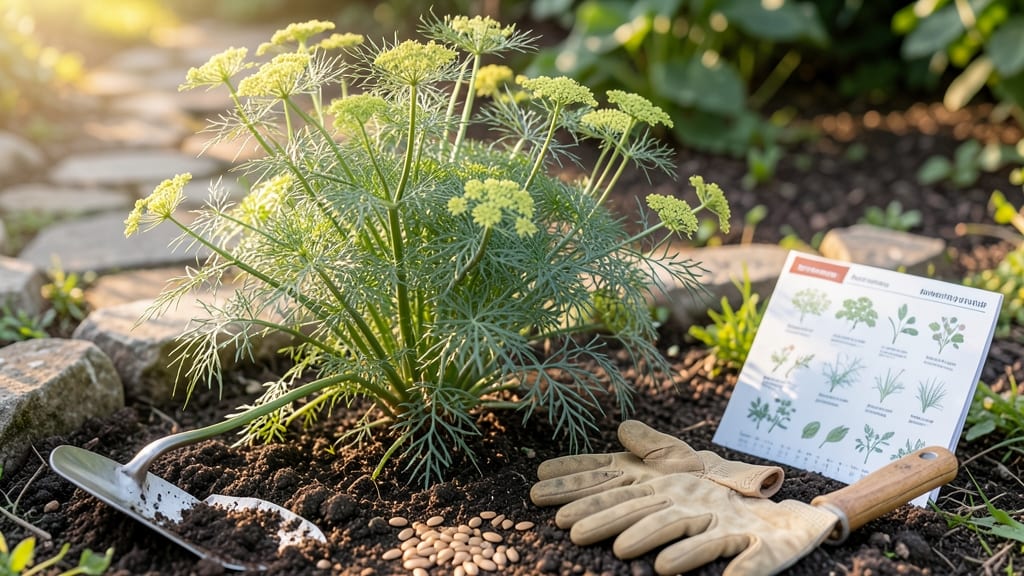
If you’ve ever wondered why your dill plants bolt too quickly or fail to thrive in Oregon’s 7b-9a climate, timing is the key to success.
Planting dill at the wrong moment—whether in Portland’s cool springs or southern Oregon’s heat—can turn your herb garden into a bitter disappointment, leaving you with sparse leaves instead of fragrant bunches.
Here’s the secret: Oregon’s microclimates demand precision. Whether you’re sowing seeds in the Willamette Valley’s mild springs or the inland heat of Bend’s high desert, the right window ensures your 🌿 dill grows lush and flavorful.
I’ll break down the exact months to plant, how to avoid bolting, and which varieties handle Oregon’s summer best—so you can harvest fresh dill from June through October (or even later!).
Spring planting starts as early as March 15, but coastal areas like Astoria should wait until after the last frost. Fall’s second chance comes between August 1 and September 15, letting you enjoy dill well into November.
Let’s dive into the details so you can grow dill like a pro—no guesswork required.
Ready to transform your garden? You’ll learn how to time your plantings for maximum yield, choose the right varieties for your region, and keep your dill thriving all season long. No more wasted seeds or disappointing harvests—just fresh, aromatic dill straight from your Oregon soil.
Best planting times for dill in Oregon’s USDA Zone 7B
Oregon’s USDA Zone 7B offers unique challenges and opportunities for growing dill, thanks to its diverse microclimates. In the Willamette Valley, where I garden, spring arrives earlier than the coast, while coastal areas like Astoria experience cooler, wetter conditions.
Understanding these variations is key to planting dill at the optimal time—whether you're aiming for a spring harvest or a fall extension.
For most of Oregon, including Portland, Salem, and Eugene, the last frost date typically falls between March 15 and April 15. This means your best window for spring planting starts around March 15, once soil temperatures consistently reach 40°F (4°C).
Dill is a cool-season crop, but it struggles with extreme heat, so timing is critical to avoid bolting (premature flowering) before you can harvest.
Here’s a quick guide to help you align your planting schedule with Oregon’s climate zones:
| Region | Spring Planting Window | Fall Planting Window | Key Consideration |
|---|---|---|---|
| Willamette Valley (Portland, Salem) | March 15 - April 15 | August 1 - September 15 | Warmer microclimate; monitor soil temps |
| Coastal (Astoria, Cannon Beach) | April 1 - May 1 | September 1 - October 1 | Cooler, wetter; extend with row covers |
| Southern Oregon (Medford, Ashland) | February 28 - March 31 | July 15 - August 31 | Hotter summers; use shade cloth |
If you’re planting in spring, aim to sow seeds 2-3 weeks before your last frost date. For example, in Portland, that’s around March 15. Dill seeds germinate best in 55-75°F (13-24°C) soil, so wait until the ground warms up to avoid slow germination.
I’ve found that direct sowing works best for dill—it doesn’t transplant well—so plan to scatter seeds ¼-inch deep in well-draining soil.
For a fall harvest, start planting in late summer, around August 1, to give dill enough time to mature before the first frost.
In Zone 7B, the first frost typically hits between November 1 and November 15, so a late August planting should yield a late fall harvest. This is especially useful if you want fresh dill for pickling or seasonal cooking.
One of my favorite tricks is to sow dill in succession—planting new seeds every 2-3 weeks during the spring window. This ensures a continuous supply of fresh leaves throughout the growing season.
For instance, if you plant your first batch on March 15, follow up with another on April 1 and April 15 to stagger your harvest.
Oregon’s summer heat can stress dill, causing it to bolt prematurely. To combat this, I recommend choosing shade-tolerant varieties or providing afternoon shade with a lightweight row cover or mesh shade cloth.
This is particularly important in southern Oregon, where temperatures can exceed 90°F (32°C) in July and August.
Finally, always test your soil pH before planting. Dill thrives in slightly acidic to neutral soil (pH 6.0-7.0). If your soil is too alkaline, amend it with compost or peat moss to create the ideal growing conditions.
With the right timing and care, your dill plants will reward you with abundant, flavorful foliage all season long.
Heat-tolerant dill varieties perfect for Oregon’s summer conditions
Oregon’s summer heat—especially in the Willamette Valley and Southern Oregon—can push dill to bolt prematurely, turning your flavorful herb into a bitter, flowering disappointment. The key to success? Choosing heat-tolerant varieties that thrive in temperatures up to 90°F+ while resisting early bolting.
My top picks for Oregon gardens include 'Mammoth', 'Long Island Mammoth', and 'Dukes', each with unique traits to match your garden’s space and goals.
If you’re growing dill in Portland or Eugene, where summer days often hit 85°F+, prioritize varieties with slow-bolting genetics. These heat-resistant types maintain their delicate flavor longer, giving you more harvest windows.
For coastal Oregon, where cooler summers prevail, even standard varieties perform well—but heat-tolerant picks still offer extra insurance against unexpected warmth.
🌿 Visual Guide: Heat-Tolerant Dill Varieties for Oregon
| Variety | Heat Tolerance | Bolting Resistance | Best For |
|---|---|---|---|
| 'Mammoth' | Excellent (90°F+) | High | Large gardens, fresh dill |
| 'Long Island Mammoth' | Very High (95°F+) | Very High | High yields, pickling |
| 'Dukes' | Good (85°F+) | Moderate | Small spaces, cold tolerance |
| 'Fernleaf' | Moderate (80°F+) | Moderate | Ornamental, slow-bolting |
'Mammoth' dill stands out for its tall stature (4-5 feet) and ability to handle Oregon’s summer heatwaves without bolting prematurely. This makes it ideal for gardeners who want a long harvest window from June through September.
If you’re growing dill for pickling or fresh salads, 'Long Island Mammoth' is my top recommendation—it produces dense, flavorful umbels even when temperatures climb above 90°F.
For smaller gardens or container growing, 'Dukes' dill offers a compact, bushy habit with decent heat tolerance. It’s also more cold-hardy, making it a versatile choice if you’re experimenting with fall planting in Southern Oregon.
Meanwhile, 'Fernleaf' dill adds a fine-textured, ornamental touch to your garden while tolerating mild heat—perfect for herb spirals or mixed containers.
Pro tip: Pair your chosen variety with succession planting to extend your harvest. Sow a second batch of seeds 6-8 weeks after your initial planting to ensure a steady supply of fresh dill throughout Oregon’s summer and early fall. Just