
Plants
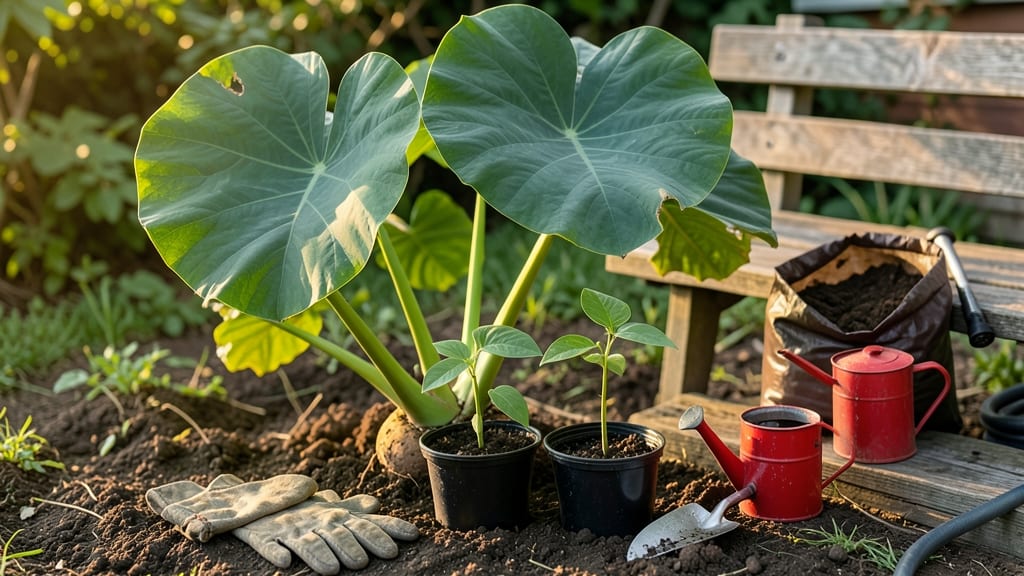
Timing is everything when it comes to growing stunning elephant ears 🌿 in Oklahoma—and getting it wrong could mean watching your plants wither before they even take root.
The key isn’t just waiting for spring; it’s planting when your soil has warmed enough to support these tropical-looking beauties, typically after that last frost in mid-April to early May.
Oklahoma’s 6b-7a climate zones add another layer of complexity, since northern areas like Tulsa face frost risks longer than Oklahoma City. If you plant too early, a late freeze could kill your elephant ears before they even sprout.
But if you wait too long, you might miss the window to enjoy their bold foliage all summer long.
Don’t worry—this guide will help you pinpoint the perfect moment to plant, whether you’re in the panhandle or the southeastern part of the state. You’ll learn how to check soil temperatures, extend the growing season with smart tricks, and avoid common mistakes that trip up even experienced gardeners.
Ready to transform your garden into a lush, tropical oasis? Let’s dive into the exact steps to ensure your elephant ears thrive from the moment they hit the ground.
Oklahoma’s best planting months for elephant ears: heat-zone guide
Timing your elephant ear planting in Oklahoma hinges on two critical factors: soil temperature and frost risk. These tropical-looking plants (Colocasia) refuse to grow until soil reaches 60°F+, while late spring frosts can still strike after the official last frost date.
In USDA zones 6b-8a, your window is narrow but precise.
Northern Oklahoma gardeners (zones 6b-7a) should wait until mid-May to plant, when soil temperatures consistently stay above 60°F.
Southern regions (zone 8a) can start as early as late April, but always verify your local frost-free date—Oklahoma City’s average last frost is March 15, but mountains in the north can see frost into May.
Here’s the golden rule: Plant your elephant ear tubers 2-3 weeks after your area’s last frost date. This gives young shoots time to establish roots before summer’s 90°F+ temperatures arrive. For container growers, you can push planting to June, but expect slower growth.
| Oklahoma Region | USDA Zone | Ideal Planting Window | Soil Temp Requirement | Key Risk |
|---|---|---|---|---|
| Northern OK (Oklahoma City, Tulsa) | 6b-7a | Mid-May to early June | 60°F+ (consistent) | Late spring frosts |
| Central OK (Norman, Stillwater) | 7a-7b | Late April to mid-May | 60°F+ (consistent) | Heat stress if planted too late |
| Southern OK (Oklahoma City, Tulsa) | 8a | Late March to April | 55°F+ (minimum) | Drought conditions |
| Mountain Regions (Arbuckle, Wichita) | 6b | Early June | 65°F+ (warmer microclimates) | Short growing season |
🌱 Pro Tip: Use a soil thermometer to confirm readiness—60°F at 4-inch depth is your target.
For gardeners in zone 8a (southern Oklahoma), you can take advantage of early spring planting in late March, but only if you’re willing to protect young plants with frost cloth until mid-April.
I’ve had success planting ‘Black Magic’ and ‘Illustris’ varieties this early, but I always cover them nightly until the 10-day forecast shows no frost risk.
One common mistake is relying solely on the last frost date without checking soil temperature. A 50°F morning after the last frost won’t cut it—your elephant ears will simply refuse to sprout.
I recommend planting 2-3 weeks after your area’s average last frost date to account for these delays.
If you’re in northern Oklahoma, consider starting tubers indoors under grow lights in March. Plant them out after the 15th of May when soil temperatures reliably stay above 60°F.
This head start gives you a 2-3 week advantage in the growing season, which is crucial for maximizing those stunning purple-black leaves.
For container gardening, you’ve got even more flexibility. Containers warm up faster than garden beds, so you can plant 1-2 weeks earlier than ground plantings.
Just ensure your containers have drainage holes—elephant ears hate soggy roots—and use a lightweight potting mix with 30% perlite to improve aeration.
Remember, elephant ears are not cold-hardy. Even a single night below 32°F will kill them back to the ground. In Oklahoma’s zone 6b-7a, this means treating them as annuals or digging tubers before frost.
If you’re pushing the limits in zone 8a, you might get overwintering success with heavy mulch, but don’t count on it.
To check your local frost dates and planting windows, visit the Oklahoma Mesonet or your local Cooperative Extension office. They provide hyperlocal data that’s far more accurate than generic zone maps.
For most of Oklahoma, mid-May is your sweet spot—plant then, and you’ll have bold foliage all summer long.
Oklahoma’s best planting months for elephant ears: heat-zone guide
Timing is everything when planting elephant ears in Oklahoma’s USDA zones 6b-8a. Since these tropical-looking plants hate frost, your goal is to plant after soil temperatures reach 60°F and all frost risk has passed.
In central Oklahoma, this typically lands in mid-April to early May, while northern Oklahoma gardeners should wait until late May to early June.
Elephant ears thrive in Oklahoma’s long, hot summers, but they need a head start. Waiting too long risks heat stress before they establish roots. Southern Oklahoma (zones 7b-8a) can even push planting into early June for late varieties, but monitor humidity levels—these plants adore moisture.
| Zone | Best Planting Window | Soil Temp Threshold | Key Consideration |
|---|---|---|---|
| 6b (Northern OK) | Late May - Early June | 60°F+ | Wait for last frost (avg. May 15) |
| 7a (Central OK) | Mid-April - Early May | 60°F+ | Soil warms faster; plant earlier |
| 7b-8a (Southern OK) | Early April - Early June | 60°F+ | Can plant later for heat-tolerant varieties |
Use a soil thermometer to verify warmth—60°F is non-negotiable for tuber growth. In clay-heavy Oklahoma soils, amending with compost or peat moss helps retain moisture and warmth. For container growing, black pots absorb heat faster, giving you a 2-week head start over in-ground planting.
Pro tip: Check your local Cooperative Extension Service for last frost dates—Oklahoma’s can vary by 10-14 days between north and south. For example, Tulsa (Zone 7a) averages April 15 for safe planting, while Oklahoma City (Zone 7b) waits until May 1.
If you’re in Zone 6b, consider starting tubers indoors under grow lights 6-8 weeks before your target planting date. This gives delicate foliage a hardening-off period before Oklahoma’s sudden heat spikes in June. Just avoid transplanting when temperatures exceed 90°F—this causes leaf scorch.
For maximum impact, plant elephant ears after your spring-blooming bulbs (like daffodils) have faded but before summer annuals peak. This creates a stunning sequential display from May through October—perfect for Oklahoma’s humid, sunny summers. 🌿