
Plants
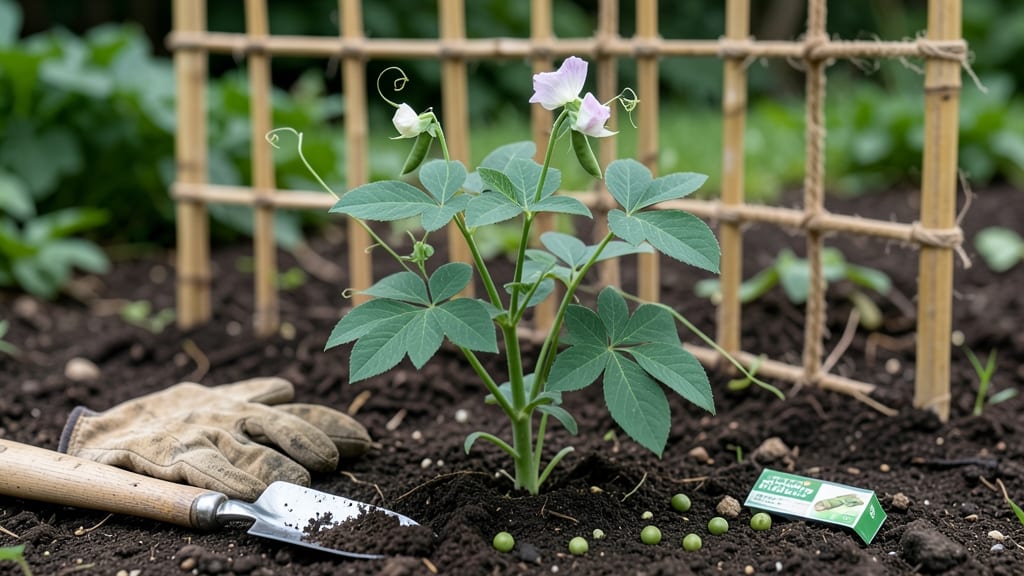
Timing your English Pea 🌱 planting in Zone 8 can make or break your harvest—get it wrong, and you might end up with bitter pods or no peas at all.
These cool-weather crops thrive when temperatures dip below 75°F, which means planting too late in spring or too early in fall spells trouble.
Most gardeners in Zone 8 focus on two key windows: late winter to early spring (February–March) for a spring harvest, or fall (September–October) for a winter crop. But with Zone 8’s unpredictable frost dates—especially if you’re near the coast—nailing the exact timing takes strategy.
I’ll break down how to align your planting with frost patterns and variety-specific needs so you don’t miss the sweet spot.
Why does this matter? Because English peas are fickle—they bolt (flower prematurely) in heat and struggle in soggy soil. The right approach means fewer wasted seeds and more crisp, tender pods straight from your garden.
Let’s dive into the exact weeks to plant, plus pro tips to stretch your harvest season.
Whether you’re a first-time gardener or a veteran grower, these insights will help you avoid common mistakes. From choosing early-maturing varieties to using shade cloth in hot spells, I’ve got the Zone 8-specific advice you need to turn your pea patch into a productivity powerhouse.
Zone 8 frost dates & ideal planting windows for English peas
English peas thrive in cool temperatures but struggle when heat sets in, making Zone 8’s frost dates the most critical factor for success.
Unlike northern zones, Zone 8’s mild winters and warm summers demand precise timing—plant too early, and your peas may bolt; too late, and they won’t mature before summer heat.
The key is understanding your last spring frost (typically March 15) and first fall frost (usually November 15), then working backward to align with pea varieties’ maturity timelines.
For spring plantings, aim to sow seeds 4–6 weeks before your last frost date. In Zone 8, this usually means late February to early March for early varieties or mid-March for later-maturing types.
Fall plantings, however, offer a longer window: start seeds 6–8 weeks before your first frost, which translates to September to early October. This second planting often yields sweeter peas since summer heat has passed.
But here’s the catch: Zone 8’s microclimates vary wildly. Coastal areas (like San Diego) may have later frosts, while inland cities (like Phoenix) can experience earlier heat waves. Always check your local USDA frost map or use a frost calendar app to refine your timing.
For example, if your last frost is March 30, plant early varieties by February 20 and late varieties by March 10.
| Planting Window | Pea Variety Type | Days to Maturity | Zone 8 Planting Month | Harvest Month |
|---|---|---|---|---|
| Spring | Early (e.g., 'Little Marvel') | 50–60 days | Late February–Early March | April–May |
| Spring | Mid-Season (e.g., 'Sugar Snap') | 60–70 days | Mid-March | May–June |
| Fall | Late (e.g., 'Mammoth Melting') | 70–75 days | September–Early October | November–December |
| Fall | Dwarf (e.g., 'Tom Thumb') | 55–65 days | Late August–September | October–November |
Pro tip: Use soil thermometers to confirm readiness—peas germinate best in 40–85°F soil. If your soil is too warm (above 85°F), wait or use shade cloth to cool it down.
In Zone 8’s inland areas, this might mean delaying spring plantings until April to avoid premature bolting. Conversely, coastal Zone 8 gardeners can start as early as January thanks to milder temperatures.
Another strategy? Succession planting. Sow a new batch every 2 weeks in spring or fall to stretch your harvest. For example, plant 'Sugar Snap' in early March, then again in late March and early April.
This ensures a steady supply of peas before summer heat takes over. Just remember: tall varieties (like 'Mammoth Melting') need trellises to climb, while bush varieties (like 'Little Marvel') stay compact.
Don’t overlook fall planting—it’s often more reliable in Zone 8. Peas grown in fall benefit from cooler nights and longer daylight, which slows bolting.
Start seeds indoors 6–8 weeks before your first frost (so late August to early September for most of Zone 8) and transplant outdoors in September. This method often yields sweeter peas than spring plantings, as the plants avoid summer’s intense heat.
Finally, keep an eye on weather forecasts in late spring. If a heatwave is predicted, use row covers to shield young plants. In fall, extend the season by planting cold-hardy varieties like 'Lincoln' or 'Oregon Sugar Pod,' which tolerate light frosts.
With these strategies, you can enjoy fresh peas for 6–8 weeks in spring and another 4–6 weeks in fall—far longer than a single planting would allow.
Timing is your secret weapon for Zone 8 pea success. Master it, and you’ll turn wasted seeds into a continuous harvest—no matter how warm your summers get. 🌱
Best English pea varieties for Zone 8 & their unique planting needs
Choosing the right English pea variety for Zone 8 can make or break your harvest. Since Zone 8’s warm winters and long growing season create unique challenges, some varieties thrive better than others.
For example, dwarf varieties like 'Little Marvel' are perfect for containers, while vining types like 'Mammoth Melting' need sturdy trellises to handle Zone 8’s heat. Let’s break down the best options and their ideal planting windows.
Zone 8 gardeners often struggle with heat-sensitive peas bolting too quickly. That’s why early-maturing varieties (like 'Sugar Snap') are ideal—they produce pods in just 55-60 days, beating the heat.
Meanwhile, late-season performers (such as 'Oregon Sugar Pod') can handle cooler fall temperatures, extending your harvest into November or December. The key is matching the variety to your planting window.
| Variety | Type | Days to Harvest | Best Planting Window | Zone 8 Notes |
|---|---|---|---|---|
| Sugar Snap | Vining | 60-70 days | Feb-Mar (spring) or Sep-Oct (fall) | Sweetest when harvested young; needs trellis. |
| Little Marvel | Bush | 55-60 days | Feb-Mar (spring) or Aug-Sep (fall) | Compact; great for small spaces or containers. |
| Mammoth Melting | Vining | 65-75 days | Feb-Mar (spring) or Sep (fall) | Classic sweet pea; thrives in cooler fall temps. |
| Oregon Sugar Pod | Vining | 60-65 days | Sep-Oct (fall only) | Heat-tolerant; ideal for late-season harvests. |
If you’re planting in spring, prioritize early-maturing varieties like 'Little Marvel' to avoid the heat. For fall plantings, opt for heat-tolerant types such as 'Oregon Sugar Pod' to take advantage of Zone 8’s mild autumn.
Pro tip: Sugar Snap peas are a favorite for their crisp texture, but they need consistent moisture—so mulch heavily to retain soil dampness during Zone 8’s dry spells.
For container gardening, dwarf varieties like 'Little Marvel' are your best bet—they stay under 2 feet tall and don’t require trellises. If you’re growing in in-ground beds, however, vining types like 'Mammoth Melting' will reward you with longer harvests if given proper support.
Just remember: trellises prevent disease by improving airflow and keeping pods off the ground.
One common mistake in Zone 8 is planting heat-sensitive varieties too late in spring. By mid-April, temperatures can climb too high, causing peas to bolt prematurely.
To avoid this, start seeds indoors 4-6 weeks before your last frost (around February 15 for most of Zone 8) and transplant outdoors when soil temps drop below 75°F. For fall plantings, aim to sow seeds by mid-September to ensure harvests before the first frost.
Don’t overlook succession planting—it’s a game-changer for Zone 8. Since peas have a short harvest window, plant new seeds every 2-3 weeks from February through September.
This ensures a steady supply of fresh pods without overwhelming your garden at once. Pair early varieties with late varieties for a continuous harvest from spring through fall.
Finally, always check your local microclimate. Coastal areas of Zone 8 (like San Diego) have milder winters, while inland zones (like Phoenix) can get scorching hot.
Adjust your planting dates accordingly—coastal gardeners might push fall plantings into early October, while inland growers should plant earlier to avoid summer heat.