
Plants
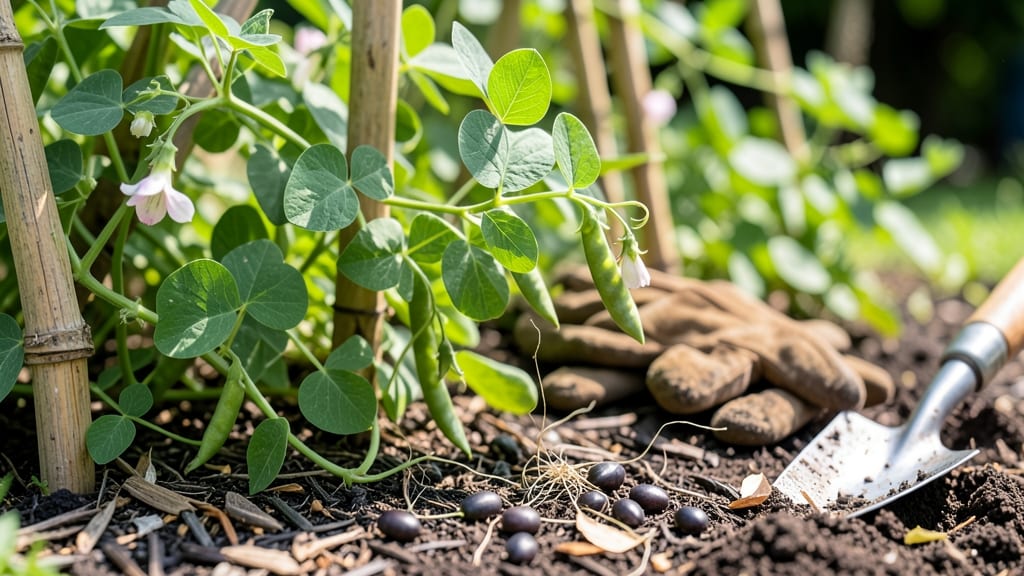
Timing your fall pea planting just right means the difference between a bumper crop of sweet, crisp pods and a wasted effort.
With cooler temps and fewer pests, fall is actually the perfect time to grow these 🌱 frost-resistant legumes—but get the schedule wrong, and you’ll either watch them bolt or freeze before harvest.
If you’re in USDA Zone 6a (or similar climates), you’ve got a narrow window to work with—typically 4-6 weeks before your first frost. That means for most gardeners, late September or early October is your sweet spot, but regional variations can shift that by weeks.
The key is planting early enough for peas to mature before winter sets in, but not so early that they’ll stretch and produce bitter pods.
What makes fall planting so rewarding? Unlike spring crops, these cool-season peas thrive when temperatures dip, often delivering harvests right through winter. Plus, fewer garden pests mean less stress for your plants.
But there’s a catch: early frosts can still sneak up, so knowing your local frost dates—and how to protect young plants—is non-negotiable.
In this guide, I’ll walk you through the exact timing for your zone, plus pro tips to extend your harvest and avoid common mistakes. Whether you’re a first-time gardener or a seasoned grower, these strategies will help you turn fall into your most productive pea-growing season yet.
Fall pea planting calendar by USDA hardiness zones
Timing is the secret to successful fall pea plantings. Unlike spring, where peas need warm soil, fall offers cooler temperatures that peas actually prefer.
The key is planting 4-6 weeks before your first frost—this gives them time to germinate, grow, and even produce a harvest before winter sets in.
Peas thrive in USDA Zones 3-10, but your exact planting window depends on your zone. For example, gardeners in Zone 5 might plant in early September, while those in Zone 9 can extend sowing into November. The goal is to avoid soil temperatures below 40°F, which slows germination.
Here’s how to adapt your planting schedule based on your zone, including frost dates and ideal sowing windows:
| USDA Zone | First Frost Date | Ideal Planting Window | Cold-Hardy Varieties |
|---|---|---|---|
| 3-4 | Mid-October | Late August to early September | Lincoln, Alaska |
| 5-6 | Late October | Early to mid-September | Sugar Snap, Green Arrow |
| 7-8 | Mid-November | Late September to early October | Oregon Sugar Pod, Wando |
| 9-10 | Late December | October to early November | Tom Thumb, Mammoth Melting Sugar |
For example, if you’re in Zone 6, aim to plant peas by September 15 to ensure they mature before the first frost in late October. In Zone 9, you can push sowing into November, but choose cold-hardy varieties like 'Oregon Sugar Pod' to survive mild winters.
Pro tip: Check your local average first frost date using the USDA Plant Hardiness Zone Map. Then, count backward 60 days (the average time for peas to mature) to determine your planting window. This ensures your peas have enough time to grow before winter slows them down.
Peas are frost-tolerant, meaning they can survive light frosts once established. However, soil temperatures below 40°F will halt germination. Use a soil thermometer to confirm the ground is warm enough before sowing.
If your zone has early frosts, opt for dwarf varieties like 'Tom Thumb' or 'Little Marvel,' which mature faster. In warmer zones, you can even extend harvests into winter with row covers or mulch to protect tender plants.
Remember, fall planting reduces pests like aphids and pea weevils, which are more active in spring. Cooler weather also means less watering—just keep soil consistently moist until the ground freezes.
Start with a small test batch in late August or early September to see how your local climate responds. Adjust future plantings based on germination success and frost timing.
Fall pea planting calendar by USDA hardiness zones
Timing your fall pea planting depends on your USDA hardiness zone and first frost dates. Peas thrive in cool weather but need 4-6 weeks to mature before winter sets in. In Zones 3-5, aim for late August to early September—earlier than warmer zones.
For Zones 6-8, stretch plantings through mid-October, while Zones 9-10 can sow until November.
Soil temperature is critical: peas won’t germinate well below 40°F. Use a soil thermometer to confirm readiness. In colder zones, prioritize cold-hardy varieties like Lincoln or Sugar Snap, which tolerate light frosts. Warmer zones can experiment with snow peas or snap peas for extended harvests.
| Zone | Ideal Planting Window | Frost Tolerance | Notes |
|---|---|---|---|
| 3-5 | Late August–Early September | Light frost (28°F) | Use row covers for protection. |
| 6-7 | Mid-September–Mid-October | Moderate frost (25°F) | Succession plant every 2 weeks. |
| 8-10 | October–November | Light frost (30°F) | Extend season with mulch. |
Check your local frost dates—most zones experience their first frost between October and December. Plant peas 4-6 weeks before your average first frost to ensure maturity. For example, if frost hits November 15, sow seeds by late September.
In Zone 9, where winters are mild, you might even harvest peas year-round with proper protection.
Microclimates matter! Areas near large bodies of water or south-facing walls stay warmer longer. Use these spots to push your planting window later. Conversely, valleys or shaded areas freeze faster—avoid planting there in late fall. A 5°F difference can mean the difference between success and failure.
Test your soil’s readiness by digging a 6-inch hole and checking moisture. If it’s dry, water deeply 24 hours before planting. Amend with compost or aged manure to improve drainage, as peas hate soggy roots.
In sandy soils, mix in peat moss to retain moisture. For clay-heavy soils, add perlite to prevent compaction.
Remember: peas are fast growers—most varieties mature in 60-70 days. By planting in fall, you’ll beat spring pests and enjoy sweeter, fresher pods when spring crops are still dormant. Just don’t wait too long—once soil temps drop below 35°F, germination slows to a crawl. 🌱