
Plants
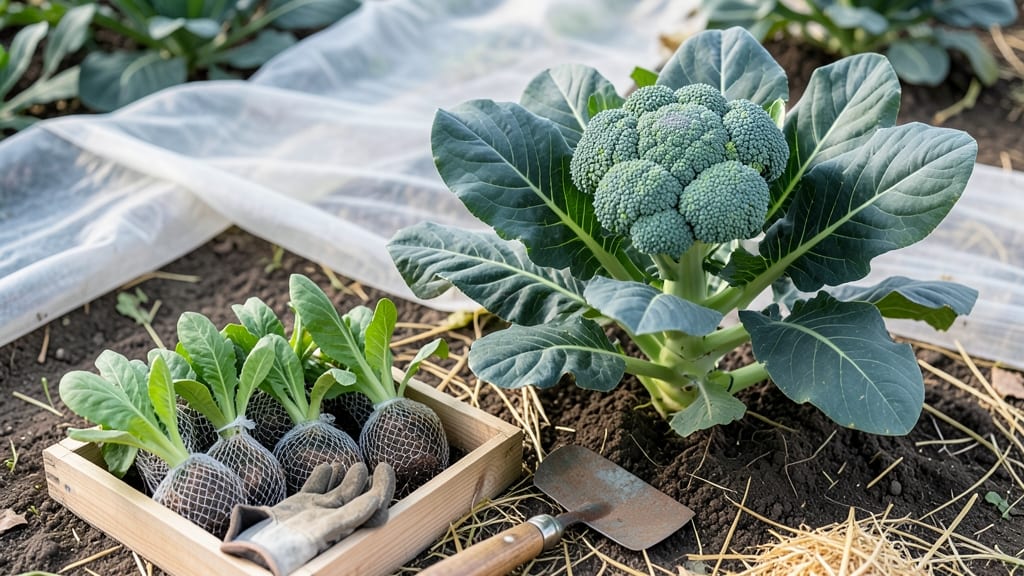
Planting fall broccoli in Zone 6 at the right time means the difference between a lush, homegrown harvest and a sad, frost-nipped failure. The sweet spot? Mid-August to early September—just 4-6 weeks before your first frost—when cool nights and crisp air signal this cool-weather crop it's time to shine.
Why does timing matter so much? Broccoli 🥦 needs 50-80 days to mature, and planting too early means bolting (going to seed) before winter, while planting too late risks a hard freeze before heads even form.
The key is balancing soil warmth with cooling temperatures—something Zone 6 gardeners know all too well.
In this guide, I’ll break down the exact dates, soil prep secrets, and companion plants that’ll help your broccoli thrive until November. Whether you’re a seasoned gardener or a first-timer, these tips will ensure your fall crop beats the frost every time.
Ready to grow broccoli that’s sweeter and more resilient than store-bought? Let’s get your Zone 6 garden prepped for a harvest that’ll last until the first hard freeze.
Best fall broccoli planting dates in Zone 6 for maximum yield
In Zone 6, fall broccoli loves the cooler temperatures but needs precise timing to avoid frost damage. The ideal window is mid-August to early September, calculated as 4-6 weeks before your first frost (typically around October 15).
This timing ensures your broccoli matures before winter sets in, giving you a harvest window of October to November.
Broccoli varieties mature in 50-80 days, so shorter-day varieties like 'Waltham 29' (50-60 days) work best for Zone 6. If you plant too early, your broccoli may bolt (flower prematurely) in the heat.
Planting too late risks frost damage before harvest. The key is balancing soil warmth and daylight hours for optimal growth.
For best results, start with transplants (not seeds) in late summer, as they establish faster. If you prefer seeds, sow them 4-6 weeks before transplanting indoors or in a greenhouse.
Harden off seedlings for 7-10 days before moving them outdoors to prevent shock. Your goal is to have healthy, robust plants ready to thrive in the cooler fall air.
Your Zone 6 frost dates are critical—aim for a first frost around October 15. For a late-October harvest, plant in early September. For an early-October harvest, plant in mid-August.
Use a frost calendar for your specific area, as microclimates can shift dates by 1-2 weeks. For example, higher elevations may frost earlier.
Broccoli thrives in cool (50-70°F) soil. Test soil temperature with a thermometer—if it’s above 75°F, delay planting to avoid stress. Mulch with straw or leaves to keep roots cool and retain moisture.
Avoid planting in low-lying areas, where cold air pools and frost lingers longer. Choose a slightly elevated, sunny spot for best results.
Succession planting can extend your harvest. After your first planting, sow a second batch 2-3 weeks later if your growing season is long. This ensures a continuous supply of fresh broccoli.
For example, if your first frost is October 15, plant: - First batch: August 15 (harvest early October) - Second batch: September 1 (harvest mid-October)
Companion planting boosts yields and deters pests. Pair broccoli with garlic, onions, or dill to repel cabbage worms. Avoid planting near tomatoes or strawberries, as they compete for nutrients.
Use row covers if temperatures dip below 40°F at night to protect young plants. This simple step can mean the difference between a thriving crop and a frost-killed failure.
Watering is non-negotiable in fall. Broccoli needs 1 inch of water per week, but reduce frequency as temperatures drop. Water deeply in the morning to prevent fungal diseases like downy mildew.
Use a drip irrigation system or soaker hose to deliver water directly to the roots. Avoid overhead watering, which can spread disease spores.
Fertilize lightly in early fall to support head formation. Use a balanced fertilizer (5-10-10) at half strength when plants are 6 inches tall. Over-fertilizing with nitrogen can lead to leafy growth at the expense of the head.
Side-dress with compost tea or fish emulsion for a gentle nutrient boost. Stop fertilizing 4-6 weeks before harvest to avoid bitter flavors.
Finally, monitor your broccoli for pests like aphids or cabbage loopers. Handpick larvae or spray with neem oil for organic control. A healthy plant with strong stems and vibrant leaves is less susceptible to damage.
With the right timing and care, your Zone 6 fall broccoli will reward you with a bountiful, zero-frost harvest.
Best fall broccoli planting dates in Zone 6 for maximum yield
In Zone 6, fall broccoli thrives when planted at the right time—typically 4-6 weeks before your first frost. For most of Zone 6, this means aiming for mid-August to early September.
This window ensures your broccoli matures before winter sets in, giving you a zero-frost harvest in October or November.
Broccoli needs 50-80 days to reach maturity, so timing is critical. Planting too early (like July) risks bolting from summer heat, while planting too late (after September) may leave your crop vulnerable to frost. Let’s break down the ideal schedule for a foolproof harvest.
| Planting Window | Days to Maturity | Expected Harvest | Notes |
|---|---|---|---|
| Mid-August | 60-80 days | Late October | Best for early frost areas |
| Early September | 50-70 days | Mid-October | Ideal for most Zone 6 gardeners |
| Late September | 40-50 days | Early November | Risky; use cold-hardy varieties |
For Zone 6a (colder microclimates), stick to late August to avoid early frosts. In Zone 6b (warmer microclimates), you can extend planting to early September safely. Always check your local average first frost date—most Zone 6 areas experience frost around October 15.
Start by preparing your soil with compost or aged manure to ensure it’s rich in nutrients. Broccoli loves well-draining soil with a pH of 6.0-7.0. If your soil is heavy clay, amend it with sand or peat moss to improve drainage.
Plant seeds ¼ inch deep, spacing them 18-24 inches apart for optimal growth.
Once your broccoli is in the ground, water deeply 1-2 times per week, keeping the soil consistently moist but not waterlogged. Mulch around the base with straw or shredded leaves to retain moisture and suppress weeds. This simple step can make all the difference in a dry fall.
If you’re using transplants instead of seeds, opt for hardy varieties like ‘Waltham 29’ or ‘De Cicco.’ These varieties handle cooler temperatures better and are perfect for Zone 6’s climate. Just be sure to harden off your transplants for a week before planting to reduce shock.
With these exact planting dates and care tips, you’ll be well on your way to a bountiful fall broccoli harvest—no frost-related disappointments here! 🥦