
Planting
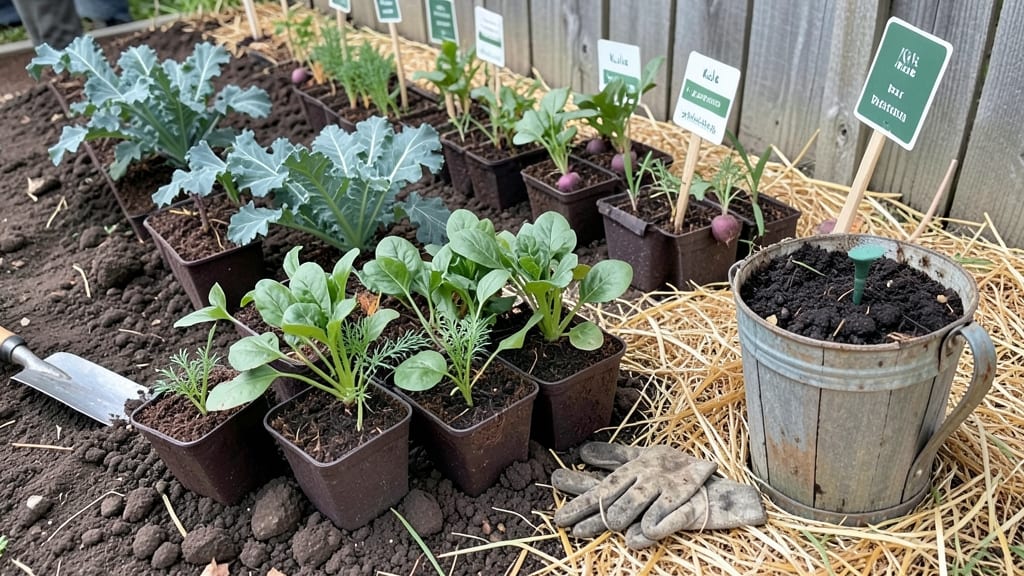
If you've ever stared at a seed packet in August wondering "when to plant fall garden in Missouri", you're not alone. The difference between a thriving harvest and wasted effort often comes down to those 4-6 weeks before the first frost hits—usually around late October in zones 5b-6b.
I've seen gardeners in Kansas City and St. Louis make the same mistakes year after year, and I'm here to share the exact timing that works for our unpredictable climate.
Missouri's fall garden isn't just about throwing seeds in the ground and hoping for the best. The key is understanding how your specific hardiness zone affects planting windows—whether you're in cooler northern Missouri or the slightly warmer southern regions.
We'll break down exactly when to plant your 🥬 favorites like kale, carrots, and spinach so they mature before winter sets in.
What happens when you plant too early? Your tomatoes might bolt before frost. Too late? Your broccoli stays stunted. I've tested these methods myself, and the results speak for themselves—a garden that produces well into November instead of one that fizzles out by October.
Let me show you the precise deadlines that actually work for Missouri gardeners.
You'll also discover how to extend your growing season with simple techniques that protect your plants from our early frosts. Whether you're a beginner or a seasoned gardener, these insights will help you turn Missouri's fall into your most productive growing season yet.
Let's get those seeds in the ground at the perfect time!
Missouri fall planting deadlines by hardiness Zone (5b-7a)
Missouri’s hardiness zones create big differences in fall planting success. In Zone 5b (northwest MO), your last planting window for frost-sensitive crops like tomatoes and peppers ends around August 15, while Zone 7a (southeast MO) gardeners get until September 15.
These dates ensure plants mature before the average first frost—typically October 15-31 across the state.
For cool-season crops like kale and spinach, you’ve got more flexibility. These hardy plants can handle light frosts and often thrive when planted 4-6 weeks before your first frost date.
That means late August to early September for most of Missouri, with Zone 5b favoring earlier dates and Zone 7a allowing later starts.
Here’s the key: Soil temperature matters just as much as air temperature. Most seeds need soil at 60°F+ to germinate. In Missouri’s fall, soil cools quickly—especially in Zone 5b—so test your soil with a soil thermometer before planting.
If it’s below 55°F, wait or use row covers to warm the soil.
Heat units (growing degree days) help explain why basil and cucumbers struggle in late summer plantings. Missouri’s Zone 6a (central MO) accumulates about 1,500 heat units between August and October—enough for fast-maturing crops like bush beans (50-60 days) but not slower growers like eggplants (90+ days).
Missouri’s regional microclimates add complexity. St. Louis (Zone 6a) often sees its first frost 2 weeks later than Columbia (Zone 6b). Kansas City (Zone 5b-6a) sits in a transition zone where nighttime temperatures drop faster than daytime highs.
Always check your local frost dates from sources like the Missouri Botanical Garden or Almanac.
Succession planting is your secret weapon. Instead of planting all your lettuce or radishes at once, stagger seeds every 2 weeks from mid-August through September. This ensures a continuous harvest and maximizes your garden’s potential before frost.
Don’t forget container gardening for late-season crops. Pots warm up faster in the sun and can be moved to protected spots (like near south-facing walls) to extend the growing season. This is especially useful in Zone 5b, where cold snaps arrive earlier.
Missouri’s fall weather patterns can be unpredictable. One year, you might get a hard freeze in late October; the next, unseasonably warm temperatures push frost into November.
That’s why I always plant my fastest-maturing crops first—like radishes (25 days) and bush beans (50 days)broccoli, 60+ days) for earlier in the season.
If you’re in Zone 5b and worried about early frost, consider cold-hardy varieties like ‘Winter Density’ kale or ‘Early Wonder’ peas. These can survive 20°F temperatures and often taste sweeter after a light frost.
For Zone 7a gardeners, you’ve got more wiggle room—but don’t wait too late for tomatoes or peppers, as they need 80+ days to mature.
Always monitor your local
Best fall crops for Missouri’s climate and how to extend their growing season
Missouri’s fall garden thrives when you pick the right cold-hardy crops and use clever tricks to beat frost. The key is selecting frost-tolerant varieties like kale, spinach, and carrots—these can handle light freezes and even improve in flavor after frost.
For heat-loving crops like tomatoes or peppers, you’ll need to plant early and protect them with row covers or cold frames.
Timing is everything: Leafy greens (spinach, lettuce) can be sown as early as mid-July in Missouri’s Zone 5b, while root crops (carrots, beets) do best when planted by late August.
For broccoli and cabbage, aim for a late August to early September start—they need 60-90 days to mature before frost.
🌱 Top 5 Fall Crops for Missouri + Planting Windows
- Kale: Plant July 15–Aug 31 (harvests after frost). 60 days to maturity. Cold-hardy to 20°F.
- Spinach: Sow Aug 1–Sept 15. Prefers cool nights (50–60°F). 30–50 days to harvest.
- Carrots: Start Aug 1–Sept 10 for sweet roots. Avoid rocky soil—loosen beds well.
- Broccoli: Plant Aug 15–Sept 1. Needs full sun and rich soil. 75–90 days to harvest.
- Garlic: Plant cloves Oct 1–Nov 15 for next year’s harvest. Cold vernalization improves flavor.
Pro Tip: Use succession planting every 2 weeks for continuous harvests!
To stretch your harvest past Missouri’s average first frost (Oct 31), try these season-extending hacks. Row covers (floating fabric) add 4–6°F protection and work for lettuce, radishes, and peas.
For tomatoes and peppers, use low tunnels or mini greenhouses to trap heat. Mulching with straw or leaves keeps soil warm longer and insulates roots.
Don’t overlook container gardening—it’s perfect for small spaces or renters. Grow bush beans, Swiss chard, or microgreens in 5-gallon pots and move them to garages or porches before hard frost. Just ensure containers have drainage holes and use lightweight potting mix to prevent cracking in cold snaps.
Missouri’s fall weather can be unpredictable—one day sunny, the next a 20°F dip. Monitor your local frost forecast (check Almanac.com or NOAA) and adjust planting dates 1–2 weeks earlier if your area runs cooler.
For extra insurance, plant fast-maturing varieties like ‘Early Wonder’ peas (50 days) or ‘Black Seeded Simpson’ lettuce (30 days).
Remember, fall gardening in Missouri isn’t just about what you plant—it’s about working with the season’s quirks. Start with frost-tolerant crops, use season extenders, and stay flexible with your timeline. With these strategies, you’ll enjoy fresh harvests well into November—or even December! 🍂