
Planting
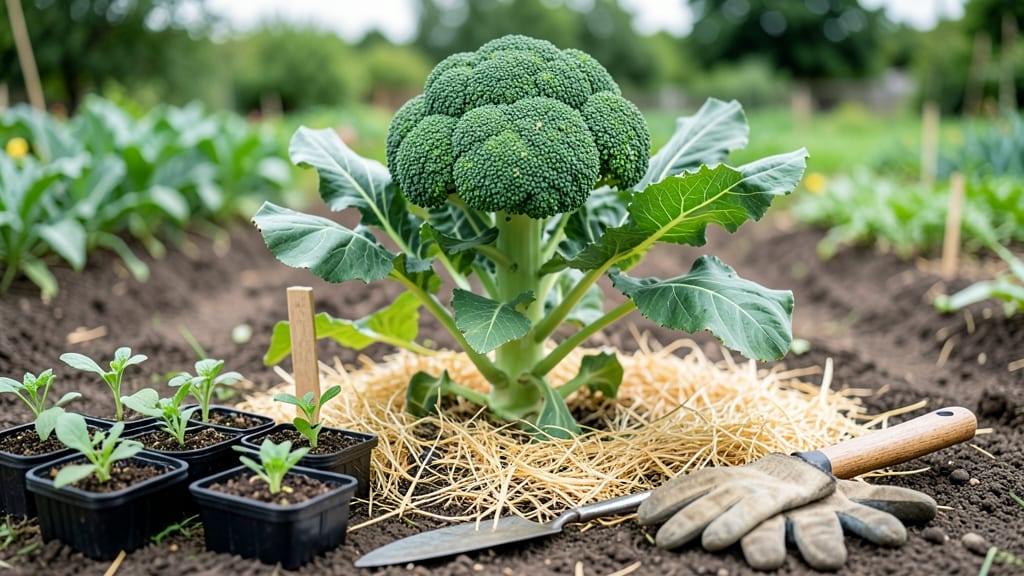
Timing when to plant a fall garden in North Texas isn’t just about luck—it's the difference between a bountiful harvest and a frost-wiped-out disappointment. With the first frost creeping in by mid-November, you've got a tight window to get seeds in the ground without risking damage.
Most gardeners in Zone 8a rush to plant too early, only to watch their tender greens turn to mush when temperatures dip. The sweet spot? Starting your 🌱 fall garden vegetables between mid-August and mid-October—just 4-6 weeks before that first frost hits.
This isn't guesswork; it's science-backed timing that ensures your broccoli, kale, and carrots mature before winter sets in.
But here's the catch: not all crops play by the same rules. Some, like spinach and lettuce, can handle cooler temps, while others need to be in the ground early enough to mature before the cold.
I'll break down exactly which veggies to plant when, so you can avoid the common mistakes that leave gardeners scrambling in September.
Ready to transform your backyard into a productive fall harvest zone? Let's dive into the precise planting schedule that'll keep your garden thriving—right up until the first frost.
North Texas fall planting dates by USDA Zone: exact weeks to plant for frost-free harvests
North Texas spans USDA Zones 7b-8a, where first frost typically arrives between November 15-25. To avoid frost damage, time your fall garden so crops mature 4-6 weeks before that date.
In Zone 8a, you’ve got until mid-October for most cool-season crops, while Zone 7b gardeners should start 2 weeks earlier to account for earlier frosts.
Soil temperatures drop below 60°F by late September in North Texas, signaling it’s time to shift from heat-lovers like tomatoes to cool-season champions such as broccoli and spinach. The key?
Plant transplants (like seedlings) 4-6 weeks before frost, while direct-sown seeds (like carrots) can go in 6-8 weeks before—they grow slower but tolerate cooler temps better.
Here’s your zone-specific planting timeline for North Texas, including soil temp thresholds and ideal transplant windows to maximize harvests before winter sets in.
For Zone 7b, start late August with transplants like kale and cabbage, while Zone 8a gardeners can wait until early September. Direct-sown crops like lettuce and radishes have more flexibility—sow them 6-8 weeks before frost for a late-October harvest.
Pro tip: Use Texas A&M AgriLife’s frost date map to fine-tune your schedule based on your exact location.
Don’t overlook succession planting! For crops like bush beans or turnips, sow every 2-3 weeks until mid-September to stagger harvests. This ensures you’re not overwhelmed with produce all at once—and avoids wasting crops that mature too fast for the season.
Watch for soil temperature drops below 55°F, which slows germination. Use a soil thermometer ($10 at garden centers) to monitor temps, especially in Zone 7b where cooler soils arrive earlier. If temps dip too low, opt for warm-start seeds or use a mini greenhouse to jumpstart growth.
Herbs like cilantro and parsley thrive in fall’s cooler temps, but basil will bolt if planted too late. Stick to cold-hardy herbs (e.g., dill, chives) after mid-September to avoid heat stress. For flowers, pansies and snapdragons planted in late September will bloom until Christmas in North Texas.
Remember: First frost ≠ last frost. In Zone 8a, you might get light frosts in December before a hard freeze. Use row covers to protect tender crops like spinach or collard greens through early December, extending your harvest window by 3-4 weeks.
Plan your fall garden around moon phases for better germination: Sow root crops (carrots, beets) during the waxing moon and leafy greens (lettuce, kale) during the waning moon. Pair this with your frost date timeline for peak productivity.
Start your fall garden
North Texas fall planting dates by USDA Zone: exact weeks to plant for frost-free harvests
North Texas spans USDA Zones 7b-8a, where the average first frost arrives between November 15-30. To avoid frost damage, plan your fall garden around these dates—starting too early risks heat stress, while waiting too long cuts harvest time short.
The key is planting 4-6 weeks before frost for most cool-season crops.
For Zone 7b (e.g., Denton, Waco), aim for mid-August to mid-September for direct-sown seeds like carrots and radishes. In Zone 8a (e.g., Dallas, Fort Worth), you’ve got a slightly longer window—late August to early October—for both seeds and transplants like broccoli and kale.
Always check Texas A&M AgriLife’s frost prediction maps for local adjustments.
| Zone | First Frost Date | Seed Planting Window | Transplant Window | Soil Temp Requirement |
|---|---|---|---|---|
| 7b | Nov 15-22 | Mid-Aug to Mid-Sept | Late Aug to Early Oct | 60-70°F |
| 8a | Nov 22-30 | Late Aug to Early Oct | Late Aug to Mid-Oct | 60-75°F |
*Adjust for microclimates (e.g., urban heat islands may delay frost by 1-2 weeks).
Soil temperature is just as critical as air temperature. Most cool-season crops thrive when soil stays between 60-70°F—use a soil thermometer to monitor. If temps drop below 55°F, opt for cold-hardy varieties like spinach or Swiss chard, which tolerate 25°F without damage.
For heat-sensitive plants like lettuce, wait until September 15 or later in Zone 8a.
Pro tip: Succession planting every 2 weeks ensures a steady harvest. For example, sow radishes (25-day harvest) in early September, then again in mid-October for a winter crop.
Pair fast growers like bush beans (harvest in 50 days) with slower broccoli (harvest in 70-80 days) to maximize space.
Don’t overlook herbs and flowers for fall! Cilantro, parsley, and pansies thrive in cooler weather. Plant cilantro in late August—it bolts in heat but loves 50-70°F temps. Similarly, pansies can handle light frosts (28°F) and add color until December.
Remember: North Texas’ unpredictable weather means flexibility is key. If a heatwave hits in September, delay planting until temps drop below 85°F. Use shade cloth for seedlings until they establish roots. With these precise dates, you’ll dodge frost and enjoy homegrown harvests until December! 🌱