
Plants
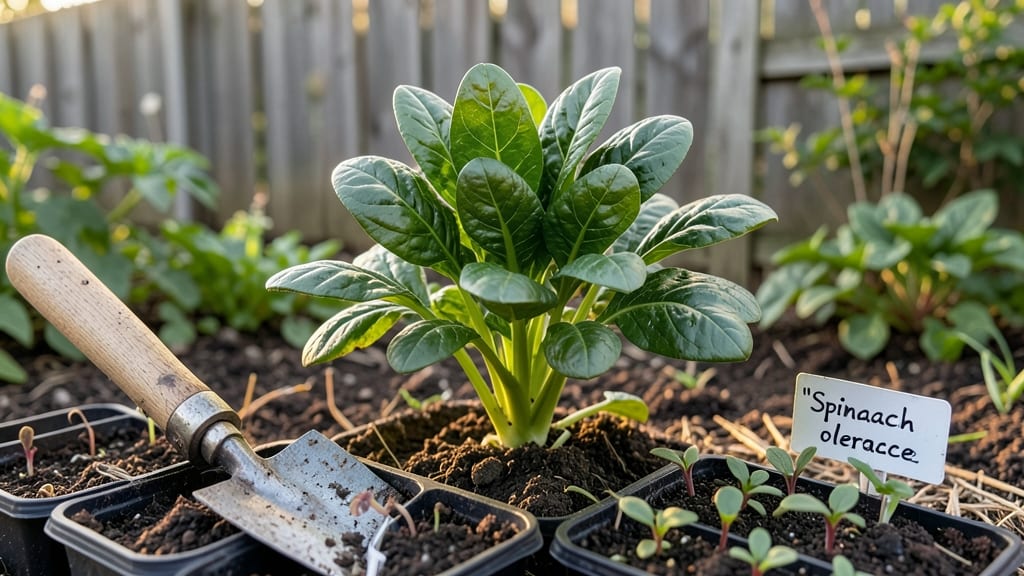
Knowing when to plant fall spinach in Zone 7 can mean the difference between a thriving garden and wasted effort. The key isn't just about timing—it's about working with your climate to maximize those tender, nutrient-packed leaves before frost hits.
In Zone 7, where first frost typically arrives around November 1, you’ve got a narrow but critical window to plant spinach for a fall harvest. The secret? Start planting in late August or early September—about 6-8 weeks before your expected frost date.
This gives your spinach enough time to establish roots and grow before the cold sets in.
But here’s the thing: not all spinach is created equal. Some varieties bolt faster in warm soil, while others thrive in cooler temperatures. I’ll show you how to pick the right type for your Zone 7 garden and avoid common mistakes that can ruin your harvest.
Ready to grow lush, frost-resistant spinach? Let’s dive into the exact steps to time your planting perfectly and keep your garden producing until winter arrives.
Zone 7 fall spinach planting calendar: exact dates for 3-Week pre-frost success
Timing your fall spinach in Zone 7 means calculating backward from your first frost date—typically November 1 but varying by 5-7 days depending on your microclimate. The key is planting 6-8 weeks before frost to ensure mature leaves before winter sets in.
For most of Zone 7, this lands in late August to early September, but Northern areas like Richmond may need earlier starts.
Soil temperature is your secret weapon: spinach thrives when soil drops below 80°F but stays above 40°F. Use a soil thermometer to confirm—ideal temps are 55-70°F for germination. In hotter Southern Zone 7 areas like Raleigh, wait until mid-September to avoid bolting from residual summer heat.
Here’s your Zone 7 planting timeline with frost buffers included:
| Region | Ideal Planting Window | First Frost Buffer | Soil Temp Check |
|---|---|---|---|
| Northern Zone 7 (Richmond, Lynchburg) | Late August - Early September | 7-10 days earlier | 55-70°F |
| Central Zone 7 (Durham, Greensboro) | Early September - Mid-September | Standard buffer | 55-70°F |
| Southern Zone 7 (Raleigh, Fayetteville) | Mid-September - Early October | 3-5 days earlier | 50-65°F |
| Backup Plan (Early Frost) | Use cold-hardy varieties like 'Winter Bloomsdale' | Plant under row covers | N/A |
For direct sowing, scatter seeds ½ inch deep and 1 inch apart—they germinate in 5-10 days when soil temps are ideal. Thin seedlings to 4-6 inches apart once they’re 2 inches tall to prevent competition.
Pro tip: Succession plant every 2 weeks after your initial sowing for a staggered harvest.
If your first frost arrives early, don’t panic. Cold-hardy varieties like 'Tyee' or 'Corvair' survive 20°F with protection. For extra insurance, apply straw mulch (3-4 inches thick) to insulate roots and extend harvest by 2-3 weeks. Just avoid mulching too early—wait until soil cools below 75°F to prevent rot.
Remember: Spinach grows fastest in cool weather, so prioritize morning sunlight (4-6 hours) and evening shade in late summer. This prevents bolting while maximizing leaf production. For container growers, use 5-gallon pots with drainage holes—spinach roots are shallow but hate soggy soil.
My Zone 7 garden yields 3-4 harvests of spinach when planted in early September with these adjustments. Start with 20-30 seeds to test your microclimate—you’ll quickly learn your local frost patterns. Happy planting! 🌱
Zone 7 fall spinach planting calendar: exact dates for 3-Week pre-frost success
Finding the perfect fall spinach planting window in Zone 7 means balancing soil warmth and frost dates. The ideal time is 6-8 weeks before your first frost, which typically lands between late August and mid-September for most of Zone 7.
This timing ensures your spinach matures before cold snaps but avoids the heat stress of summer planting.
For Northern Zone 7 (e.g., Richmond, VA), aim for August 20–September 10—your frost date is usually November 15. In Southern Zone 7 (e.g., Raleigh, NC), push it to September 1–15 since frost often hits November 1.
Always check your local frost dates using the USDA Plant Hardiness Zone Map or Almanac for precision.
📅 Zone 7 Fall Spinach Planting Summary
| Region | Planting Window | First Frost | Soil Temp |
|---|---|---|---|
| Northern Zone 7 (Richmond) | Aug 20–Sep 10 | Nov 15 | 50–65°F |
| Southern Zone 7 (Raleigh) | Sep 1–15 | Nov 1 | 55–70°F |
| Backup Window (Early Frost) | Sep 20–Oct 5 | Oct 31 | 45–55°F |
💡 Pro Tip: Use a soil thermometer to confirm temps—spinach thrives in 50–70°F soil.
If your spinach seeds hit the ground when soil temperatures drop below 50°F, germination slows dramatically. Test your soil with a thermometer at 4-inch depth—this is the critical zone for root development.
For a 3-week harvest window, plant cold-hardy varieties like 'Bloomsdale Long Standing' or 'Tyee', which tolerate light frosts (25°F) without bolting.
For succession planting, sow new seeds every 2 weeks from August 15 to September 15. This staggered approach ensures a continuous harvest until frost. Space seeds 1 inch apart in rows 12 inches apart—thinning to 4 inches between plants prevents overcrowding and disease.
Watch for early frost warnings in late October. If frost threatens before your spinach matures, cover plants with row fabric or a lightweight blanket to protect tender leaves. Even a 24-hour delay can save your crop if temps drop below 30°F.
Remember: Spinach is a cool-season crop, so it bolts (goes to seed) when days lengthen in spring. Fall planting avoids this issue entirely, giving you sweet, tender leaves without the bitterness of summer heat. Start your seeds indoors 4–6 weeks before transplanting for a head start.