
Vegetables
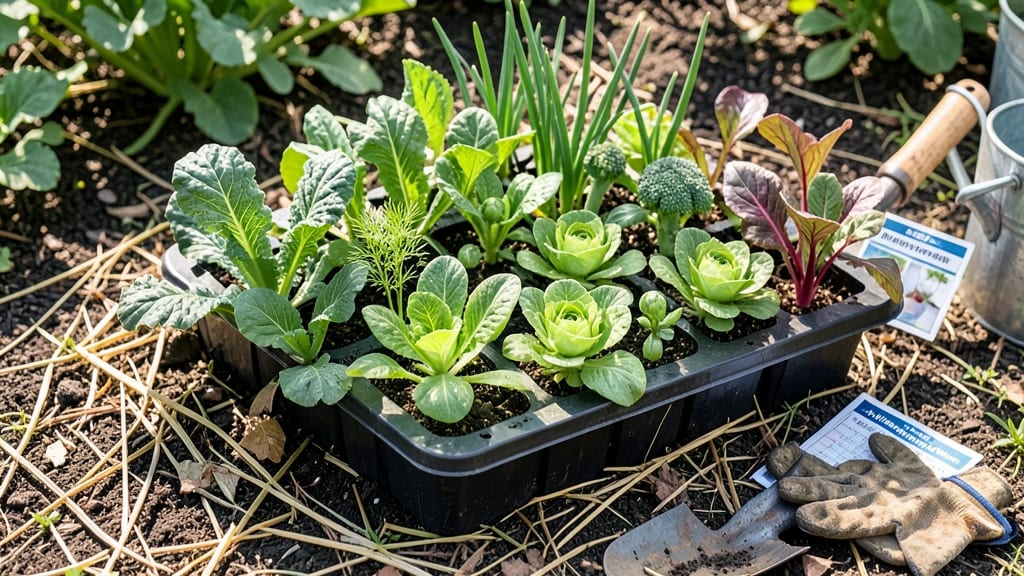
Timing is everything when it comes to growing fall vegetables in Zone 5—plant too early, and you risk bolting or stunted growth, but wait too long, and frost steals your harvest before you even taste it.
The key to a bountiful autumn garden lies in understanding your local frost dates and choosing the right crops for your microclimate.
If you've ever wondered why some gardeners in Zone 5 seem to pull off stunning fall harvests while others struggle, it’s not luck—it’s strategy. I’ll break down the exact 4-6 week window before your first frost when you should plant your favorite cold-hardy crops like kale, broccoli, and carrots.
No more guesswork, just proven timing to keep your garden thriving until winter.
Let’s say you’re in northern Zone 5, where frost can sneak in earlier than the southern edge. I’ll show you how to adjust your planting schedule based on whether you’re dealing with a shorter or longer growing season.
Plus, I’ll share my top tips for extending your harvest beyond the first frost so you can enjoy fresh veggies even deeper into fall.
Ready to transform your late-summer garden into a productive fall oasis? By the end of this guide, you’ll know exactly when to plant, which crops to prioritize, and how to protect your harvest from early cold snaps. Let’s get those seeds in the ground!
Best fall vegetables for Zone 5 and their ideal planting windows
Zone 5 gardeners can grow a bountiful fall harvest by focusing on cold-hardy vegetables that thrive in cooler temperatures. The key is timing—plant too early, and your leafy greens bolt; wait too long, and frost ruins your root crops.
Most fall crops need 4-6 weeks to mature before the first frost, which typically hits early October in Zone 5.
I’ve broken down the best fall vegetables into categories based on their heat tolerance and frost sensitivity. Whether you’re sowing seeds directly or transplanting seedlings, these exact planting windows will help you maximize your yield.
Start with heat-tolerant crops like beans and peas in early summer, then transition to cool-season favorites like kale and carrots in late summer.
🌱
| Vegetable | Planting Window (Zone 5) | Days to Maturity | Frost Tolerance | Planting Method |
|---|---|---|---|---|
| Leafy Greens (Lettuce, Spinach, Kale) | Late July to mid-August (seeds); Early August (seedlings) | 30-60 days | High (survives light frost) | Direct sow or transplant |
| Root Crops (Carrots, Beets, Radishes) | Mid-July to early September | 40-70 days | Medium (harvest before hard frost) | Direct sow only |
| Brassicas (Broccoli, Cabbage, Brussels Sprouts) | Early July to mid-August (seedlings) | 60-90 days | Very High (thrives in cold) | Transplant seedlings |
| Peas and Beans (Green, Sugar Snap) | Early July (beans); Late July (peas) | 50-70 days | Medium (beans bolt in heat; peas tolerate frost) | Direct sow |
| Onions and Garlic (Fall Planting) | Late August to early September | 90-120 days | High (overwinters) | Transplant sets |
For leafy greens like kale and spinach, I recommend a second planting in early September.
These crops actually sweeten in cold weather and can tolerate light frosts. Carrots and beets, on the other hand, need to be harvested before the ground freezes—aim to plant them by mid-August for a late fall harvest.
If you’re growing brassicas like broccoli or cabbage, start seedlings indoors in early June and transplant them outdoors by mid-July. These plants love cool weather and will reward you with hearty harvests well into October.
For peas and beans, timing is critical—plant beans in early July to avoid the heat, while peas can handle cooler temperatures and should go in by late July.
🌿
Don’t forget about succession planting! For crops like lettuce and radishes, you can make weekly sowings every 2-3 weeks from late July through early September.
This ensures a continuous harvest and prevents bolting. I’ve also found that interplanting fast-growing crops like radishes with slower carrots maximizes space and yield.
One of my biggest mistakes was planting cold-sensitive crops like cucumbers or tomatoes too late in the season. These plants need warm soil
How to calculate your exact planting dates using frost dates
Determining your exact planting dates in Zone 5 starts with understanding your average first frost date. Most Zone 5 regions experience their first frost around October 1, but this can vary by 1-2 weeks depending on elevation and location.
Check your local USDA Plant Hardiness Zone Map or ask fellow gardeners for their frost dates—this is your starting point for timing.
Next, work backward from your frost date using the days to maturity for each vegetable. For example, if your frost date is October 1 and you’re planting broccoli (which takes 70-85 days to mature), plant between July 10-20.
This ensures your broccoli reaches harvest size before frost hits. Leafy greens like spinach or kale can handle light frosts, so you can plant them 4-6 weeks before frost (around September 1-15).
Don’t forget to account for soil temperature, which should ideally be at least 50°F (10°C) for most fall crops. Use a soil thermometer to check—cool soil slows germination.
If your soil is too warm (above 85°F (29°C)), wait until temperatures drop before planting heat-sensitive crops like peas or lettuce.
🚨 CRITICAL: Planting too early risks heat stress or bolting (premature flowering), while waiting too long means frost damage before harvest. Adjust for your microclimate: Urban areas may stay warmer longer, while rural spots can freeze earlier. Observe your garden’s patterns over a few years to refine your timing.
⚠️ Avoid These Common Mistakes
- Ignoring soil temperature: Seeds won’t sprout if soil is too hot or cold.
- Planting frost-tender crops too late: Tomatoes and peppers won’t survive Zone 5 winters.
- Skipping succession planting: One planting won’t feed you all fall—space out seeds every 2-3 weeks.
- Using last year’s frost date: Weather shifts—track your own data!
For a quick planting date calculator, subtract the crop’s days to maturity from your frost date, then adjust for soil temperature. For example, if your frost date is October 1 and you’re planting carrots (60 days to maturity), aim for August 2.
Add 1-2 weeks of buffer for cooler years. Pro tip: Keep a gardening journal to track which dates work best in your yard!
Remember, Zone 5’s fall window is short—plan efficiently! Start with fast-maturing crops like radishes (25 days) or bush beans (50 days) to test your timing before committing to longer-season plants. With practice, you’ll nail your fall planting schedule like a pro. 🌱