
Plants
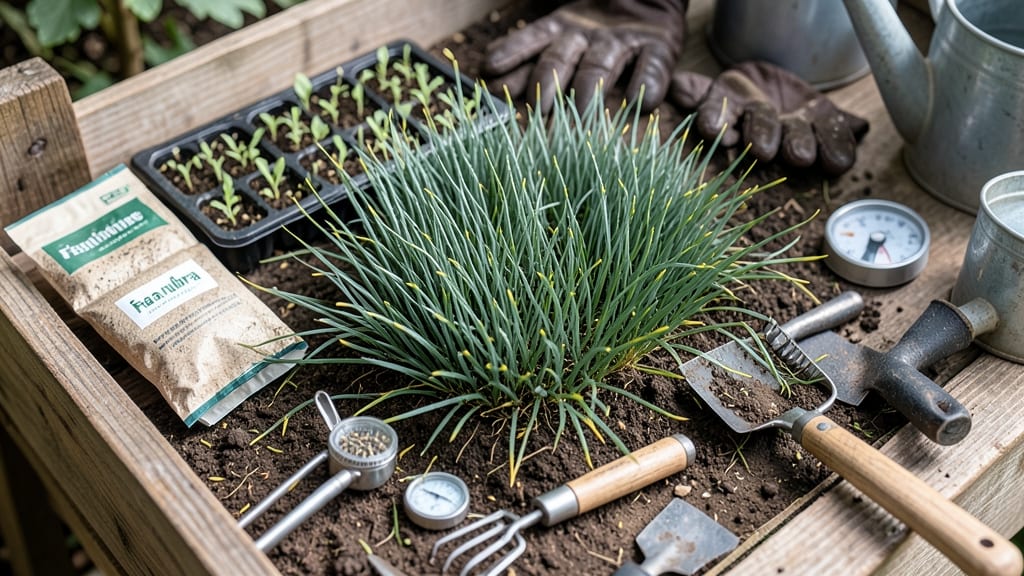
Timing your Fescue Grass planting just right in spring can make or break your lawn’s success—and getting it wrong might leave you staring at bare patches for months.
With soil temperatures swinging wildly from 45°F to 65°F depending on your USDA zone, knowing the perfect window is the key to strong root growth and a vibrant lawn.
If you’re in Zone 6a (like many home gardeners), early to mid-spring is your sweet spot—4-6 weeks before your last frost, typically around late March or April. But here’s the catch: planting too early risks frost damage, while waiting too long can delay germination when summer heat arrives.
I’ll break down exactly how to check soil temps, adjust for your microclimate, and prepare your seedbed for maximum success. Whether you’re overseeding an existing lawn or starting fresh, these practical tips will help you avoid common mistakes and get your 🌱 Fescue Grass off to a flying start.
Ready to transform patchy grass into a lush carpet? Let’s dive into the step-by-step guide that’ll have your lawn thriving all season long.
Best soil temperature ranges for planting fescue grass by USDA Zone
Fescue grass thrives when planted at the right soil temperature, typically between 45°F and 65°F. Since it’s a cool-season grass, planting too early in cold soil or too late in warming temperatures can stunt root growth. The key is finding that sweet spot where the soil is warm enough for germination but not so hot that seeds dry out. For most USDA zones 4-8, this window falls between early March and mid-May, but exact timing depends on your local climate.
To check your soil temperature, use a soil thermometer buried 2-3 inches deep. If the reading is below 45°F, wait a few weeks—fescue seeds won’t germinate in cold soil.
Conversely, if temperatures exceed 65°F, seeds may dry out before sprouting. Zone 9 and warmer regions can plant as early as February, while northern zones (3-4) should wait until late April or May to avoid frost damage.
Here’s a quick rule of thumb: Aim to plant 4-6 weeks before your last expected frost date. For example, in Zone 6a, where the last frost is around April 15, planting in mid-to-late March gives seeds time to establish roots before summer heat sets in.
In Zone 7b, with a later frost date of May 1, you might extend planting into early April.
Another critical factor is consistent moisture. Fescue seeds need even soil moisture to germinate, so planting during a stretch of predictable rainfall or with a drip irrigation system in place can make all the difference.
If your spring is typically dry, prioritize planting in March or early April when rainfall is more reliable in most regions.
For overseeding existing lawns, timing shifts slightly. Since you’re working around established grass, plant 2-3 weeks earlier than new seedings to allow roots to compete. This means late February to early March in most zones, provided soil temperatures are stable above 45°F.
Always test your soil’s pH level (ideal range: 6.0-7.0) before planting—low pH can delay germination even if temperatures are perfect.
One common mistake is relying solely on calendar dates instead of soil conditions. For instance, planting in early March in Zone 5 might feel safe, but if a late frost hits, tender seedlings could be damaged.
Always pair planting dates with local weather forecasts and soil checks to stay ahead of surprises.
If you’re in a transition zone (e.g., Zone 7-8), where winters are mild but summers are hot, consider fall planting (late August to October) as a backup.
Fall offers cooler soil temps and reliable moisture, giving fescue a head start before winter dormancy. However, spring remains the optimal window for most gardeners.
Pro tip: Mulch lightly after planting with straw or peat moss to retain moisture and regulate soil temperature. This is especially helpful in Zone 9+, where rapid soil warming can dry out seeds quickly. A thin layer (¼ inch) keeps seeds hydrated without smothering them.
To summarize, the best time to plant fescue in spring hinges on three factors: soil temperature (45°F-65°F), frost dates, and moisture availability. By aligning these, you’ll give your fescue the strong root foundation it needs to thrive all season long.
| USDA Zone | Ideal Planting Window | Soil Temp Range (°F) | Key Considerations |
|---|---|---|---|
| Zones 3-4 | Late April - Early May | 50°F - 60°F | Wait for last frost; use frost cloth if needed. |
| Zones 5-6 | Mid-March - Late April | 45°F - 55°F | Plant 4-6 weeks before last frost; test soil moisture. |
| Zones 7-8 | February - Early April | 50°F - 65°F | Early planting risks heat stress; mulch to retain moisture. |
| Zones 9-10 | January - March | 55°F - 65°F | Plant in cooler months; avoid summer heat. |
🌱 Note: Adjust for microclimates (e.g., slopes, urban heat islands).
For overseeding, follow the same soil temperature guidelines but plant 2-3 weeks earlier to out
How to prepare your lawn for fescue planting in spring
Preparing your lawn for Fescue Grass planting in spring is half the battle—skipping this step can leave your seeds struggling to germinate or even failing entirely. The key is creating the perfect seedbed: loose, well-aerated soil with the right moisture and nutrients.
Start by testing your soil’s pH level (aim for 6.0–7.0) and adjusting it with lime or sulfur if needed. This ensures your fescue can access essential nutrients without stress.
Next, mow your existing grass short but not scalped—about 1–1.5 inches tall—to expose bare soil where seeds can make contact. If your lawn is thick or compacted, consider aeration with a core aerator to create holes for seeds and roots.
This step is especially critical if your soil feels hard when pressed or drains poorly after rain.