
Plants
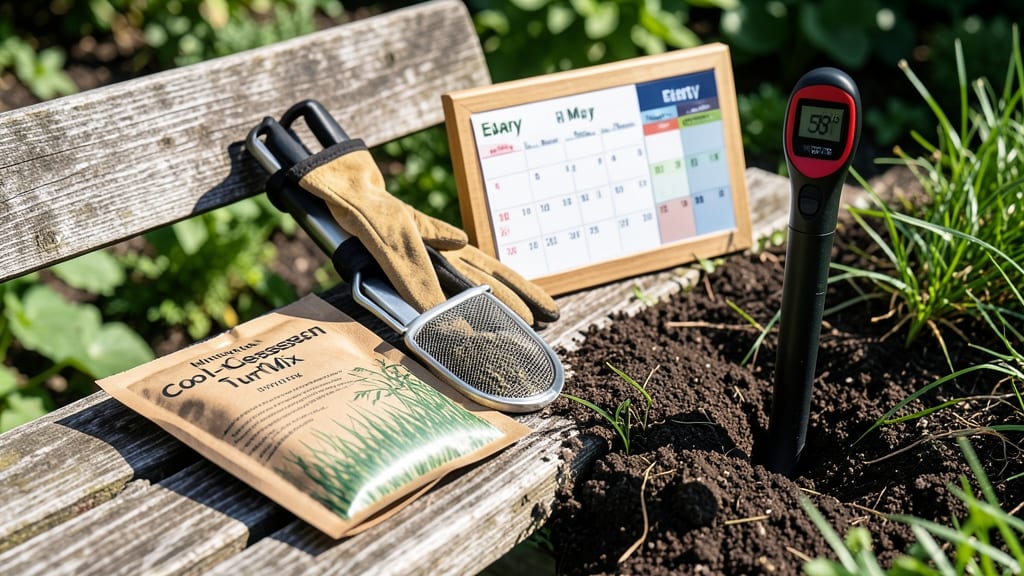
Timing your grass planting in Minnesota wrong could mean watching seeds wash away in spring rains or freeze before they take root.
With frost dates shifting unpredictably, knowing the exact frost-free window for your zone is the key to a thick, resilient lawn that survives the North Star State’s brutal winters.
Most Minnesota gardeners swear by early spring or early fall planting, but the 4a-5a zones demand precision. Plant too early, and frost will kill tender sprouts; too late, and summer heat stresses young grass.
I’ll break down the perfect April-May and August-September windows—plus how to adjust for northern vs. southern Minnesota’s microclimates.
You’ll also discover which cool-season grasses thrive in Minnesota’s climate and how to prep your soil for maximum germination. Whether you’re seeding a new lawn or overseeding an old one, these strategies will save you time, money, and frustration—so you can enjoy a lush 🌱 lawn all summer long.
Let’s dive into the science-backed timeline that’ll transform your patchy yard into the envy of the neighborhood.
Best grass planting timeline for Minnesota’s hardiness zones (3-5)
Minnesota’s USDA hardiness zones 3-5 create unique challenges for lawn care, with last frost dates varying from mid-April in northern regions to late April in southern zones. Planting grass too early risks frost damage, while waiting too long can lead to summer heat stress before roots establish.
The key is planting when soil temperatures reach 50°F (10°C) and stay consistent.
For most of Minnesota, the optimal planting windows are early spring (April–May) or early fall (August–September). Cool-season grasses like Kentucky Bluegrass and Fine Fescue thrive when planted in these periods, while warm-season varieties like Buffalo Grass have narrower windows.
Let’s break down the best timing for each zone to maximize your lawn’s success.
| Zone | Last Frost Date | Ideal Planting Window | Soil Temp Requirement | Notes |
|---|---|---|---|---|
| 3a (Northern MN) | Mid-May | Late May–Early June | 50°F (10°C) | Short growing season; prioritize cold-hardy varieties. |
| 3b (North-Central MN) | Late April | Early May–Late May | 50°F (10°C) | Early spring planting reduces summer stress. |
| 4a (Central MN) | Early May | April–May or August–September | 50°F (10°C) | Best for cool-season grasses; fall planting ideal. |
| 4b (Southern MN) | Mid-April | April–May or August–September | 50°F (10°C) | Longer frost-free season; warm-season grasses possible. |
| 5a (Southeast MN) | Late April | April–May or August–September | 50°F (10°C) | Warm-season grasses like Buffalo Grass may succeed. |
If you’re planting in early spring, aim for 4–6 weeks after the last frost to avoid frost damage to tender seedlings. For fall planting, seed 4–6 weeks before the first frost to allow roots to establish before winter dormancy.
In Zone 5a, you might even squeeze in a late summer planting in July, but monitor soil moisture closely.
One critical factor often overlooked is soil temperature. Use a soil thermometer to confirm temperatures are consistently above 50°F (10°C) before planting. Cool, wet soils can delay germination, leaving your lawn vulnerable to weed competition.
If soil temps are too cold, wait until conditions improve—patience now saves headaches later.
For northern Minnesota (Zones 3a–3b), focus on cool-season grasses like Fine Fescue, which tolerates colder soils and shorter growing seasons. In southern Minnesota (Zones 4b–5a), you have more flexibility to experiment with mixed grass blends or even warm-season grasses in microclimates with longer frost-free periods.
Pro tip: Check the National Weather Service’s frost predictions for your specific county. Local extensions offices (like the University of Minnesota Extension) often provide updated frost date forecasts—bookmark their resources! Adjust your planting timeline by 1–2 weeks based on these forecasts to stay ahead of unpredictable weather patterns.
Finally, if you’re overseeding an existing lawn, the best time shifts slightly to late summer (August). This allows new seeds to germinate before the first frost, giving them a head start while the established lawn provides shade and moisture retention.
Always mow low (1–1.5 inches) before overseeding to ensure good seed-to-soil contact.
Timing your grass planting correctly in Minnesota isn’t just about avoiding
Top grass varieties for Minnesota lawns and their ideal planting months
Choosing the right grass variety for your Minnesota lawn is just as important as timing. Cool-season grasses dominate here, thriving in our short growing seasons and cold winters. The best options include Kentucky Bluegrass, Fine Fescue, and Perennial Ryegrass, each with unique strengths for Minnesota’s climate.
For northern Minnesota (Zones 3-4), Fine Fescue and Tall Fescue are top picks—they handle cold winters and drought stress better than other types.
Southern Minnesota (Zone 5) can also support Kentucky Bluegrass, which stays green longer but needs more maintenance. Warm-season grasses like Buffalo Grass are rare but work in southeastern MN for late-summer color.
| Variety | Cold Hardiness | Drought Tolerance | Ideal Planting Months | Best For |
|---|---|---|---|---|
| Kentucky Bluegrass | Zones 3-9 | Moderate | April-May, Aug-Sept | High-traffic areas, southern MN |
| Fine Fescue | Zones 3-7 | High | April-May, Aug-Sept | Shady lawns, northern MN |
| Perennial Ryegrass | Zones 4-9 | Low | April-May, Aug-Sept | Fast germination, temporary cover |
| Buffalo Grass | Zones 3-9 | Very High | Late May-June | Drought-resistant, SE MN only |
If you’re planting in early spring (April-May), focus on cool-season grasses like Kentucky Bluegrass or Fine Fescue. These varieties establish quickly when soil temps hit 50°F and handle Minnesota’s late frosts better than warm-season types.
For late summer/fall (August-September), the same varieties work, but avoid planting too close to the first frost—aim for 6-8 weeks before to allow roots to strengthen.
One critical tip: Mix varieties for resilience. A blend of Fine Fescue (for shade) and Kentucky Bluegrass (for wear) creates a low-maintenance, durable lawn.
Test your soil’s pH first—most Minnesota lawns need a 6.0–7.0 range for optimal growth. Adjust with lime or sulfur before planting to avoid stunted growth.
For northern MN gardeners, prioritize drought-tolerant options like Tall Fescue or Creeping Red Fescue. These handle short summers and heavy snow loads better than thirsty Kentucky Bluegrass. Always check seed labels for Minnesota-specific blends—these are formulated to outperform generic mixes in our climate.
Remember: Warm-season grasses like Zoysia or Buffalo Grass won’t thrive in most of Minnesota. If you love their look, limit them to containers or microclimates with south-facing exposure. For the rest of us, stick to cool-season varieties and time your planting for April-May or August-September for the best results.