
Companion Plants
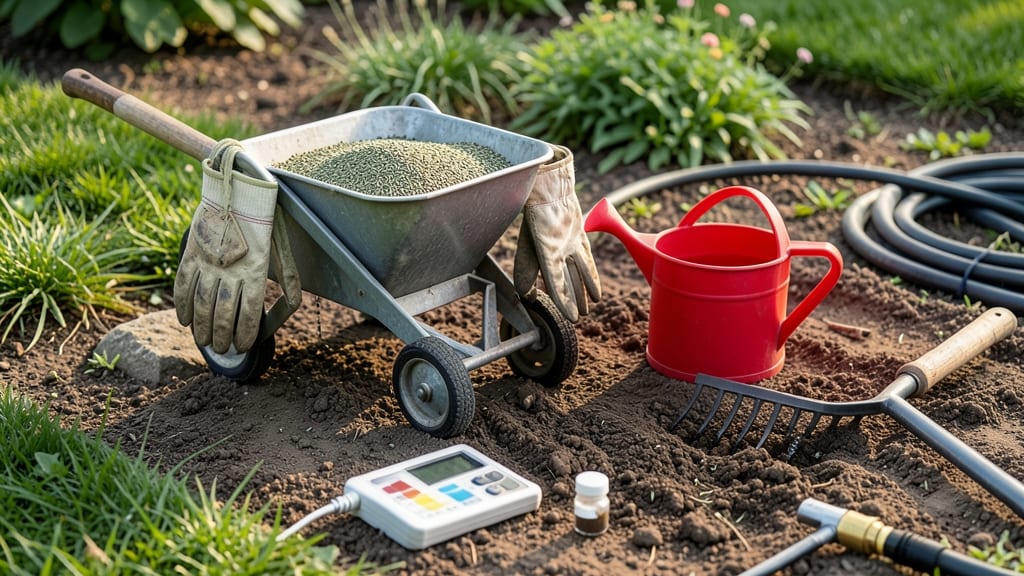
Timing your grass seed planting in Pennsylvania can make or break your lawn’s success—especially when spring’s unpredictable weather throws curveballs. Whether you’re in Pittsburgh’s cooler microclimate or Philadelphia’s slightly warmer zones, getting the timing right means the difference between a thick, vibrant lawn and a patchy mess.
Most experts agree that the ideal window for planting 🌱 grass seed in PA is between March and early April, when soil temperatures consistently stay above 55°F.
But here’s the catch: planting too early risks frost damage, while waiting too long means weeds take over before your grass gets a foothold. I’ll break down the exact frost-free deadlines and soil prep steps to help you nail the timing—no guesswork involved.
You don’t need a green thumb to pull this off. With the right soil conditions, a little patience, and a few pro tips, you can transform your lawn into the envy of the neighborhood.
Let’s dive into the step-by-step guide that’ll have your grass thriving in 6-12 months—starting with the best time to plant.
Ready to skip the trial-and-error? I’ll also share how to avoid common mistakes like overwatering or planting in clay-heavy soil, so your grass seed stands a fighting chance against PA’s unpredictable spring weather. Let’s get started!
Pennsylvania’s spring grass seed planting calendar: soil temps and frost-free deadlines
Spring in Pennsylvania brings hope for that perfect lawn, but timing your grass seed planting is everything. The USDA zones 5a-7a across PA mean your frost-free date varies dramatically—from late March in Philadelphia to mid-April in Pittsburgh.
Planting too early risks frost damage, while waiting too long invites weeds and heat stress.
For optimal germination, aim to plant when soil temperatures consistently reach 55°F or warmer. This usually aligns with 4-6 weeks before your area's average last frost date. In most of PA, that’s mid-to-late March in the southeast and early April in the northwest mountains.
Missed the spring window? Fall planting (September-October) offers a second chance, but spring is ideal for cool-season grasses like Kentucky bluegrass and tall fescue that dominate PA lawns. Let’s break down the exact timing for your region.
| PA Region | USDA Zone | Last Frost Date | Optimal Planting Window | Soil Temp Threshold |
|---|---|---|---|---|
| Southeast (Philadelphia) | 6a-7a | April 1-15 | Mid-March to early April | 55°F+ (consistent) |
| Central (Harrisburg) | 6b-7a | April 10-20 | Late March to mid-April | 55°F+ (consistent) |
| Northwest (Pittsburgh) | 5b-6a | April 15-25 | Early April to early May | 55°F+ (consistent) |
| Mountains (State College) | 5a-5b | May 1-10 | Late April to early May | 55°F+ (consistent) |
Use the Penn State Extension frost calculator (link in resources) to pinpoint your exact last frost date. For example, Erie averages April 20, while Allentown is typically April 5. Planting 4-6 weeks before these dates gives seeds time to germinate before summer heat arrives.
Pro tip: Check soil temps with a soil thermometer (available at garden centers). If temps dip below 50°F at night, delay planting until daytime highs consistently stay above 60°F. Cold soil slows germination and weakens young roots.
For cool-season grasses like Kentucky bluegrass, aim for March-April planting. These varieties thrive when established before summer’s heat. Warm-season grasses (like Bermuda) should wait until late spring when soil temps hit 65°F+, but they’re rare in PA’s climate.
Remember: Early spring planting (February) is risky unless you’re in Zone 7a+. Young grass can’t survive late frosts. Use row covers or wait until soil warms. Late spring planting (May) increases weed competition—seeds need sunlight to outcompete crabgrass and clover.
Check your local microclimate. South-facing slopes warm faster than shaded yards. If your lawn sits in a low spot, plant 2 weeks later than the regional average. Urban areas (like Pittsburgh) may have 2-3°F warmer microclimates than rural spots.
Finally, overseeding (adding seed to existing lawns) follows the same timing. Rake bare spots to 1/4-inch depth and plant when soil is warm and moist. Water lightly twice daily until germination (about 14-21 days for cool-season grasses).
🌱
How to prepare your Pennsylvania lawn for spring grass seed planting
Preparing your lawn properly before planting grass seed in Pennsylvania is just as critical as timing—skipping these steps can lead to poor germination and weak grass growth. Start by testing your soil pH (ideal range: 6.0–7.0) using a home test kit or sending a sample to Penn State Extension.
Most PA soils need amendments like lime to raise pH or sulfur to lower it, depending on your results.
Next, clear your lawn of weeds and debris using a rake or dethatching tool. Weeds compete with grass seed for nutrients and water, so removal is non-negotiable. For stubborn weeds, apply a pre-emergent herbicide 2–4 weeks before planting, following label instructions carefully to avoid harming new grass.