
Planting
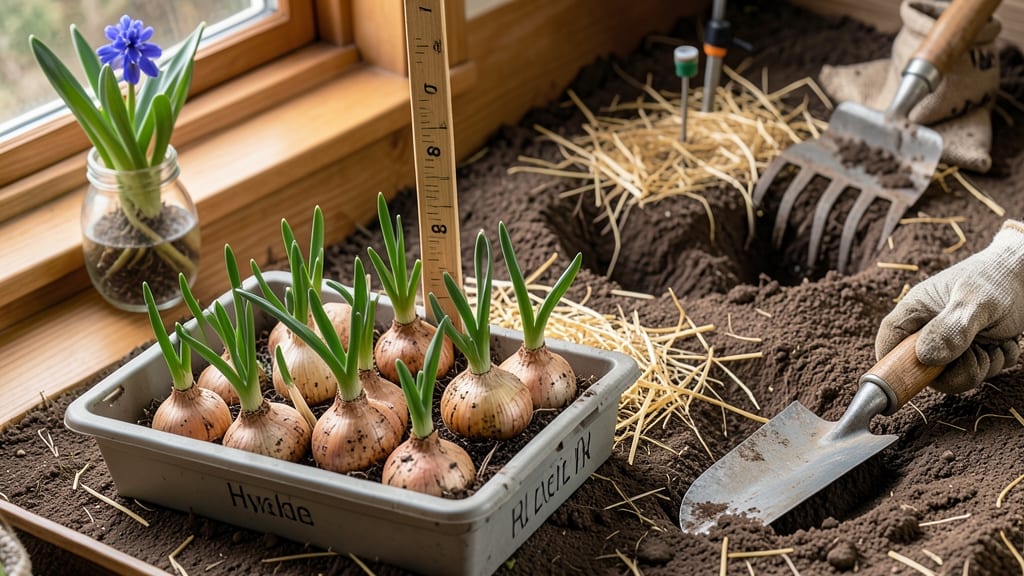
Timing your flower bulbs planting in the fall could mean the difference between a showstopping spring garden and a disappointing patch of dirt. Too early, and your bulbs might rot before winter; too late, and they won’t get the chill they need to bloom.
The secret? Planting when soil temps drop to 60°F—a trick that works for tulips, daffodils, and other cold-hardy varieties.
I’ve learned that 6-8 weeks before your first frost is the magic window for most gardeners in Zone 6a (like where I garden), but regional tweaks matter. Northern climates need to plant earlier, while Southern gardeners can wait until late fall.
The key is watching for those crisp mornings when the ground starts to cool—your bulbs will thank you with vibrant blooms next spring.
Don’t stress if your local weather forecast is unpredictable. I’ll show you how to adjust your planting schedule based on soil temperature cues and even how to chill-test bulbs for early blooms.
Whether you’re a seasoned gardener or just starting, these science-backed tricks will help you get it right every time.
Ready to transform your garden next year? Let’s dive into the exact steps to plant your 🌷 flower bulbs at the perfect moment—so you can enjoy a burst of color without the guesswork. Your future self (and your neighbors) will be jealous.
Fall planting timeline: exact weeks before frost for best results
Timing is everything when planting flower bulbs in the fall. The 6-8 week window before your first frost is your golden opportunity to ensure strong root growth before winter sets in.
For most gardeners in USDA Zones 3-8, this means planting between mid-September and early November, but exact dates depend on your microclimate.
Northern climates (Zones 3-5) have a shorter window—aim for late September to mid-October—while Southern gardeners (Zones 7-9) can plant until mid-November or even December in mild winters. The key is getting bulbs planted when soil temps drop to 60°F (15°C), signaling root establishment before dormancy.
Here’s how to adjust for your region: Check your average first frost date (find it via the USDA Plant Hardiness Zone Map) and count backward. For example, if frost hits November 15th, plant 6-8 weeks earlier—around September 28th to October 20th—for optimal results.
🌱 Fall Planting Deadlines by USDA Zone
| Zone | Ideal Planting Window | Soil Temp Cue | Bulb Examples |
|---|---|---|---|
| 3-4 | Late August – Mid-October | 50–60°F (10–15°C) | Tulips, Daffodils, Hyacinths |
| 5-6 | Mid-September – Late October | 55–65°F (13–18°C) | Crocus, Allium, Snowdrops |
| 7-8 | October – Mid-November | 60–70°F (15–21°C) | Dahlias, Gladiolus, Canna |
| 9-10 | November – Early December | 65–75°F (18–24°C) | Caladiums, Begonias, Amaryllis |
📌 Pro Tip: Use a soil thermometer to confirm temps before planting. Bulbs need 4–6 weeks of cool soil to root before frost.
Microclimates can shift your timeline by 2–4 weeks. For example, a sunny, south-facing slope warms faster than a shady, north-facing garden bed. If your area has unpredictable frosts, err on the earlier side—late September is safer than waiting until October.
Popular fall bulbs like tulips and daffodils thrive when planted in well-draining soil at 2–3 times their bulb depth. For instance, a 2-inch tulip bulb should go 6 inches deep. This depth protects them from freeze-thaw cycles and rodent nibbling.
Don’t forget to water thoroughly after planting—this helps settle soil around roots. Mulch with 2–3 inches of straw or leaves to insulate bulbs through winter. Just avoid piling mulch directly against bulb stems to prevent rot.
If you miss the fall window, some bulbs (like amaryllis) can be forced indoors in late winter. But for the best results, stick to the fall timeline—your spring garden will thank you with bold, vibrant blooms.
🌿
Chill-testing flower bulbs: how to force early blooms or avoid winter damage
Not all flower bulbs are created equal when it comes to cold exposure. Some varieties, like tulips and hyacinths, need a chill period of 12-16 weeks below 40°F to bloom properly. Others, such as daffodils and alliums, are more forgiving.
If you live in a warm climate (USDA Zones 8-10), chill-testing can trick bulbs into thinking winter’s come early, ensuring vibrant spring blooms.
Start by checking your bulb’s chill requirements—most bags list them. For bulbs needing extra chill, place them in a paper bag with a few inches of moist sand or peat moss and store them in your fridge’s crisper drawer (not the freezer!).
Keep them there for 8-12 weeks before planting. This mimics winter’s natural cold snap and prevents weak, sparse blooms.