
Flowers
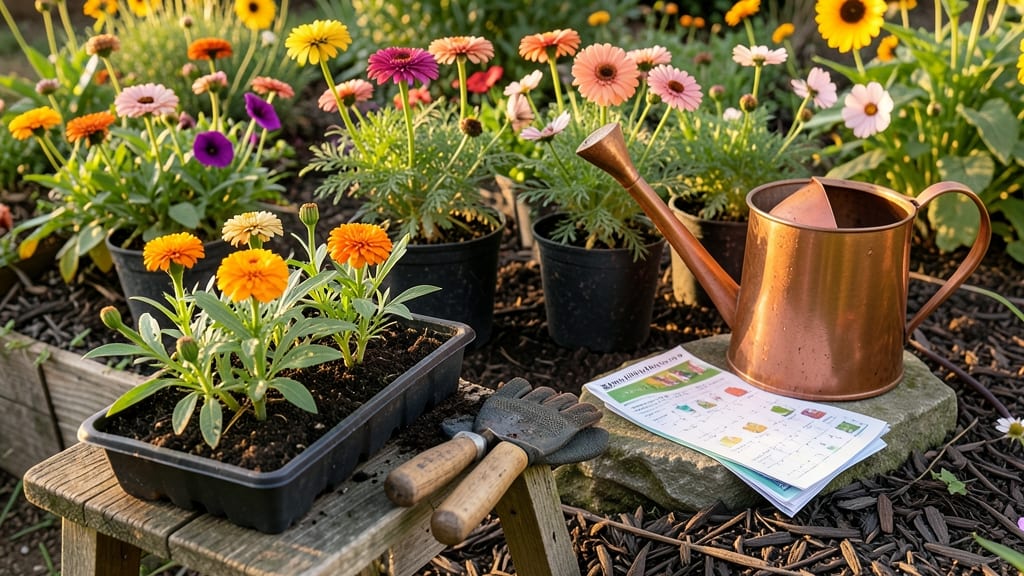
Planting your 🌸 flower seeds at the wrong time in Illinois could mean watching your hard work vanish overnight with a late frost. The difference between a showstopping summer garden and a sad, frost-nipped disappointment often comes down to knowing those critical planting windows for your Zone 5-6 climate.
With last frosts creeping between mid-April and mid-May and first frosts arriving around mid-October, timing is everything.
Whether you're dreaming of vibrant zinnias or hardy coneflowers, I'll show you exactly when to start seeds indoors, when to sow directly outdoors, and how to stretch your blooming season with smart summer plantings.
You'll discover the three key planting periods that work best for Illinois gardens - plus pro tips to adjust for your specific region. From early spring starters to late-summer heat lovers, we'll cover it all so you can maximize every bloom opportunity without wasting seed or time.
Let's dive into the exact months, soil temperatures, and microclimate adjustments that will transform your garden from "meh" to "wow" season after season. Your perfect bloom timeline starts here.
Illinois frost dates & flower seed planting windows by month
Illinois gardeners face unpredictable frost dates that shift yearly, but knowing your USDA Zone 5-6 averages gives you a head start. The last spring frost typically arrives between April 15 and May 15, while the first fall frost hits around October 15.
These dates create your planting windows—annuals thrive when planted after the last frost, while cold-hardy perennials can start earlier.
For northern Illinois (Zone 5), aim to plant annual flower seeds indoors by late March and transplant outdoors after May 1. In southern Illinois (Zone 6), you can push this to April 15 outdoors or even February indoors for early blooms.
Always check soil temperatures—they should hit 60°F+ for optimal germination.
Cold-hardy flowers like pansies, snapdragons, and sweet peas can handle light frosts and even thrive when sown in late February or early March. These early bloomers give you color before summer annuals take over. Meanwhile, heat-loving varieties like marigolds and zinnias should wait until after May 15 to avoid frost damage.
Here’s your month-by-month planting guide for Illinois flower seeds, tailored to frost dates and bloom cycles:
| Month | Plant Type | Ideal Planting Time | Notes |
|---|---|---|---|
| February | Cold-Hardy Annuals | Indoors (late Feb) | Pansies, snapdragons, sweet peas |
| March | Perennials | Outdoors (after March 1) | Coneflowers, black-eyed Susans |
| April | Annuals | Outdoors (after April 15) | Marigolds, zinnias, petunias |
| May | Heat-Lovers | Outdoors (after May 15) | Sunflowers, cosmos, lantana |
| August | Fall Bloomers | Outdoors (late Aug) | Asters, chrysanthemums, calendula |
Don’t forget succession planting for continuous blooms! Sow fast-growing annuals like bachelor’s buttons every 2-3 weeks from May through July to keep your garden bursting with color. For perennials, divide clumps in early spring to rejuvenate growth and encourage larger blooms next season.
If you’re in a microclimate (like a sheltered urban garden), you might shave 1-2 weeks off frost dates. Use a frost cloth for extra protection if planting early. For container gardens, move pots to warmer spots during cool snaps to extend the season.
Pro tip: Mark your last frost date on your calendar and set reminders for 6 weeks before to start indoor seedlings. This gives you a 3-week head start on outdoor planting—critical for slow-growing varieties like hollyhocks or delphiniums.
For late bloomers, try cosmos or sunflowers planted in late May or early June. These thrive in hot summer soil and often outperform earlier plantings by mid-to-late summer. Just avoid overcrowding—give them 12-24 inches of space depending on the variety.
Remember: Soil prep is key. Amend your beds with compost in early spring to improve drainage and fertility. Test your soil pH—most flowers prefer 6.0-7.0, but blueberries and hydrangeas need acidic soil (4.5-5.5). Adjust with lime or sulfur as needed before planting.
🌱
Illinois frost dates & flower seed planting windows by month
Understanding Illinois' last frost dates (typically April 15 in northern areas to May 15 in southern regions) is your first step to perfect timing. These dates create the foundation for your planting schedule, but they're just the starting point—your microclimate matters too.
For example, Chicago's Zone 5 gardens often face frost until May 10, while St. Louis' Zone 6 areas might be frost-free by April 25.
For annual flowers, aim to plant seeds 4-6 weeks before your last frost date. This means starting mid-March in southern Illinois and early April in northern regions. Perennials, however, are more forgiving—plant them 2-4 weeks before the last frost, giving them time to establish roots without rushing.
Cold-hardy flowers like snapdragons and pansies can handle light frost, so you can start them as early as late February under protection. These early bloomers will reward you with spring color when most other flowers are still waiting for warmer weather.
🌱 Illinois Flower Seed Planting Calendar
| Month | Cold-Hardy Flowers | Annuals | Perennials | Heat-Tolerant |
|---|---|---|---|---|
| February | Start indoors | Indoor starts only | Indoor starts only | None |
| March | Direct sow outdoors | Start hardy annuals | Plant early perennials | None |
| April | Direct sow outdoors | Main planting window | Best planting time | None |
| May | Late additions | Succession plant | Last chance | Direct sow |
| June-July | None | None | None | Best time |
Don't overlook late summer planting for heat-loving flowers like marigolds and cosmos. These varieties thrive when planted August 1-15 and will bloom until first frost. They're perfect for filling gaps left by early bloomers and extending your garden's color palette.
For northern Illinois, where frost lingers longer, consider using row covers or cold frames to protect early plantings. In southern Illinois, where warmer microclimates prevail, you can push planting dates 2 weeks earlier for faster growth and earlier blooms.
Always check soil temperatures before planting—most flower seeds need at least 60°F to germinate. Use a soil thermometer to avoid guessing. If temperatures are too cool, wait or use a heat mat for seed trays.