
Flowers
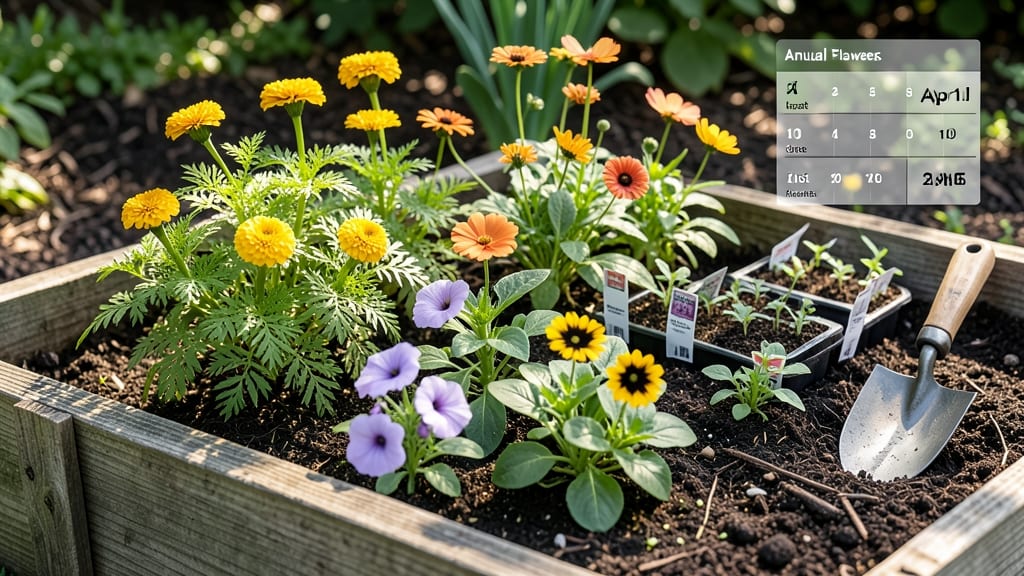
Timing the planting of your 🌸 flower seeds in Indiana could mean the difference between a breathtaking garden and a sad, frost-nipped disappointment. With Zone 6's unpredictable spring weather, knowing the perfect window to start your seeds is the key to vibrant blooms all season.
Most gardeners in Indiana wait until after the last frost date around April 15 to plant tender annuals, but cool-season flowers like pansies can actually handle a February start indoors. The secret? Monitoring soil temperatures and understanding how your specific flowers respond to cold snaps.
Whether you're growing sun-loving zinnias or shade-tolerant impatiens, I'll walk you through exactly when to plant each type for maximum success. You'll learn how to adjust for Indiana's microclimates and even extend your growing season with simple tricks.
Let's dive into the precise timing that will transform your garden from "meh" to "wow" this year—no more guessing games, just beautiful blooms from spring to fall.
Indiana’s Zone 6 frost dates: the exact timeline for planting flower seeds
Indiana’s Zone 6 climate means frost can linger until mid-April in most areas, but timing your flower seed planting correctly ensures strong, healthy blooms.
The average last frost date varies slightly across the state—northern Indiana may see frost until April 20, while southern regions can plant as early as April 5. Always check your local USDA Plant Hardiness Zone Map for precise guidance.
For cool-season flowers like pansies or snapdragons, start seeds 4-6 weeks before your last frost date—typically in late February or March. These hardy varieties tolerate light frosts and even 30°F temperatures.
In contrast, warm-season flowers such as zinnias or marigolds need to wait until soil warms to at least 60°F, usually mid-May or later.
Here’s a quick reference for Indiana’s key frost dates and planting windows:
| Season | Key Date | Action | Notes |
|---|---|---|---|
| Spring | Late February | Start cool-season seeds indoors | Pansies, snapdragons, sweet peas |
| Spring | Mid-April | Direct-sow hardy annuals | Calendulas, sweet alyssum |
| Spring | Mid-May | Plant warm-season seeds | Zinnias, marigolds, sunflowers |
| Fall | Late August | Start frost-tolerant seeds | Cosmos, bachelor’s buttons |
| Fall | Early October | Direct-sow for late blooms | Pansies, sweet peas |
Always verify your local frost dates using resources like the Old Farmer’s Almanac or your county’s agricultural extension office. These dates can shift by 1-2 weeks depending on elevation and microclimates.
For example, northern Indiana (e.g., Gary, South Bend) may have frost until May 1, while southern Indiana (e.g., Louisville, Evansville) often sees frost-free soil by April 15.
Use a soil thermometer to confirm when to plant warm-season flowers. Soil should stay above 60°F for 5+ days before sowing seeds like tomatoes or petunias. Cool-season flowers, however, can handle 40-50°F soil, making them ideal for early spring or fall planting.
Pro tip: Cover seeds with row covers or cloches if frost threatens after planting. This extends your growing season by 2-4 weeks and protects tender seedlings from unexpected 28°F nights. Just
For perennials, like coneflowers or black-eyed Susans, plant seeds in early spring (April) or late summer (August) for best results. These hardy plants establish roots early, giving them a head start against Indiana’s hot summers and cold winters.
Indiana’s first frost typically arrives around October 30, but some years it can come as early as October 15. If you’re growing annuals for fall color, like mums or asters, start seeds indoors in July and transplant outdoors in August to enjoy blooms before winter.
Remember: Seed packet instructions are your best friend! They often include days to germination and temperature requirements tailored to your region. Pair this info with Indiana’s frost dates, and you’ll have a foolproof planting schedule for a garden bursting with color all season.
How to adjust planting times for Indiana’s microclimates and unpredictable weather
Indiana’s weather can shift faster than a summer storm, making planting flower seeds feel like a high-stakes gamble. But with a few smart adjustments, you can outsmart frost, heat waves, and microclimates to get your garden blooming on schedule.
The key? Understanding how northern vs. southern Indiana, urban heat islands, and even your backyard’s microclimate affect planting times.
First, recognize that northern Indiana (Zone 5b) tends to have later last frosts—often 2-3 weeks after southern Indiana (Zone 6a). For example, while Lake County might see its last frost around April 15, Vigo County could be frost-free by April 1.
Always check the USDA Plant Hardiness Zone Map for your exact location and adjust planting dates accordingly.
Don’t rely on averages! Indiana’s weather is famously unpredictable. Use a soil thermometer (aim for 60°F+ for warm-season flowers) and monitor local forecasts for 5-day outlooks. If frost is predicted, cover tender seedlings with row covers or cloches—they can add 2-5°F of protection.
Urban gardeners face another challenge: heat islands. Pavement and buildings trap heat, making city soils 5-10°F warmer than rural areas. This can trick warm-season flowers like zinnias into germinating too early, only to be nipped by late frosts.
To compensate, plant heat-loving seeds 1-2 weeks later in cities like Indianapolis or Fort Wayne.
For rural areas, watch for low-lying spots that stay colder longer. These “frost pockets” can delay planting by 10 days or more compared to sunny, elevated beds. Test your garden’s microclimates by planting fast-germinating radishes in different spots—where they sprout first is your warmest, safest zone for flowers.
Seed packets often suggest planting dates, but Indiana’s unpredictable springs mean you should override them. Instead, use the 50/50 rule: Wait until half the nights in a week have warmed above 50°F for cool-season flowers (like pansies) or until soil hits 60°F+ for warm-season picks (like cosmos).
This simple trick cuts frost risk by 70%.
Finally, extend your season with seasonal adjustments. For a longer fall display, sow frost-tolerant seeds like calendula or sweet alyssum in late July—these can handle light frosts and may even rebloom the following spring.
And if an early frost threatens, harvest seeds from mature plants (like marigolds) to replant next year.