
Flowers
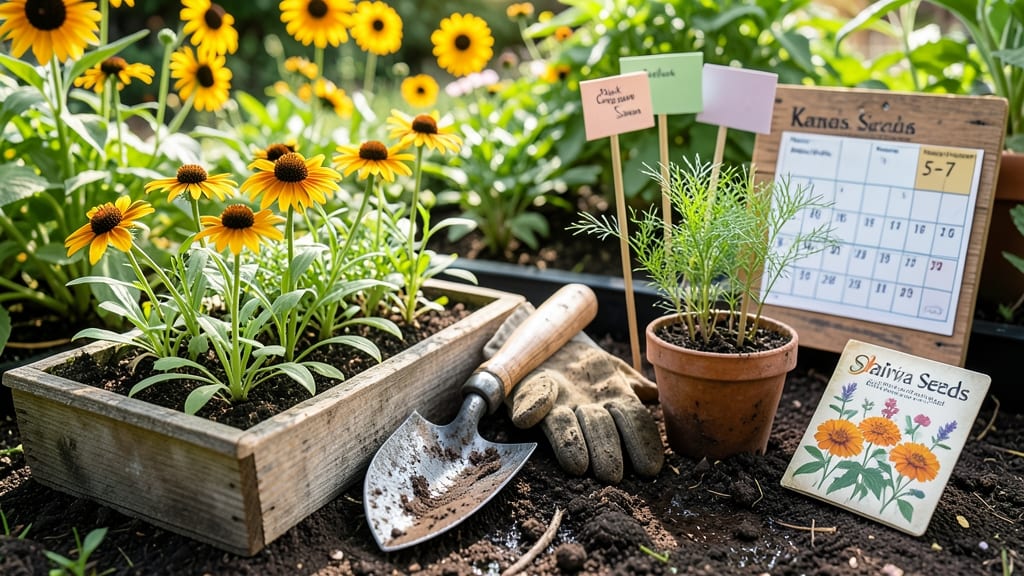
When to plant flower seeds in Kansas could mean the difference between a garden bursting with color and one that barely makes it past the first frost. With USDA zones ranging from 5b to 7a, knowing when to plant isn’t just about following a general rule—it’s about working with Kansas’ unpredictable weather patterns.
If you’ve ever watched your carefully planted 🌸 seeds wilt under an unexpected late frost or struggle to bloom in the heat, you’re not alone. The key is planting at the right moment—whether that’s in early spring after the last frost or in late summer for fall blooms.
I’ll break down the exact windows for Kansas gardeners, so you can skip the guesswork and enjoy vibrant blooms all season long.
From cool-season favorites like pansies to heat-loving sunflowers, each flower has its own ideal planting time. We’ll cover how to adjust for your specific zone, whether you’re in Wichita, Topeka, or Kansas City, and share pro tips to extend your blooming season.
Ready to turn your garden into a year-round showstopper?
Let’s dive into the month-by-month guide that’ll help you plant with confidence—so your hard work pays off in petals, not disappointment. You’ve got this!
Kansas frost dates by zone: exact months to plant flower seeds for best results
Kansas spans USDA Hardiness Zones 5b-7a, meaning frost dates vary dramatically between eastern humid regions and western dry climates.
For spring planting, aim for after April 15 (last frost average), but northern Kansas may need to wait until mid-May. Fall planting should begin 8-10 weeks before first frost (typically late August for southern Kansas, early August for northern areas).
In Wichita (Zone 7a), the last frost date hovers around April 5, while Topeka (Zone 6a) sees frost until April 20. Kansas City (Zone 6b) falls in between, with a last frost around April 10.
These dates create a 15-day window for planting cool-season flowers like pansies or sweet peas before summer heat arrives.
For warm-season flowers (e.g., zinnias, sunflowers), wait until soil temperatures hit 60°F+, usually mid-May in most of Kansas. Southern Kansas can start 2-3 weeks earlier, but northern regions may need to delay until early June to avoid late frosts.
Fall planting is ideal for cool-season annuals and perennials like calendulas or nasturtiums. Start seeds 8-10 weeks before first frost, which ranges from October 10 (southern KS) to October 25 (northern KS). This ensures blooms before winter sets in.
Use Kansas State University’s frost maps for your exact location—eastern Kansas tends to warm 1-2 weeks earlier than the western plains. For example, Pittsburg (Zone 6b) can plant 2 weeks ahead of Garden City (Zone 6a).
| Zone/Region | Last Frost Date | First Frost Date | Best Spring Planting Window | Best Fall Planting Window |
|---|---|---|---|---|
| Wichita (Zone 7a) | April 5 | October 15 | April 15–May 15 | August 15–September 15 |
| Topeka (Zone 6a) | April 20 | October 20 | May 1–May 20 | August 1–August 15 |
| Kansas City (Zone 6b) | April 10 | October 18 | April 20–May 10 | August 10–September 10 |
| Garden City (Zone 6a) | April 25 | October 10 | May 10–June 1 | July 20–August 10 |
If you’re unsure about your exact frost dates, use almanac.com’s Kansas frost calculator or check local weather stations for 3-year averages. Microclimates near lakes or hills can shift frost dates by 1-2 weeks, so observe your yard’s patterns for 3+ years.
For container gardening, extend your spring planting by 2-3 weeks—pots warm faster and can be moved to protected spots if frost threatens. Black plastic mulch can also push back last frost damage by 7-10 days.
Pro tip: Test soil temps with a soil thermometer—warm-season flowers need 60°F+ soil for 3+ inches deep. If temps are cooler, wait 1-2 weeks or use row covers to create a warmer microclimate
Best flower seeds to plant in Kansas by season: month-by-month planting guide
Kansas’ diverse climate lets you grow stunning flowers year-round, but each season demands different seeds. Cool-season bloomers like pansies thrive in early spring, while heat-loving annuals like zinnias take center stage in summer. Let’s break down the best seeds to plant each month for nonstop color.
Start with February for cold-hardy varieties. Sweet peas and calendulas can be sown indoors under grow lights. These early bloomers will reward you with vibrant flowers by May. For outdoor planting, wait until soil temperatures rise above 50°F—typically by late March in most of Kansas.
Here’s your month-by-month planting schedule for Kansas gardeners:
Start sweet peas, calendulas, and pansies indoors. Direct-sow lupines and poppies outdoors once soil warms.
Plant marigolds, zinnias, and cosmos after last frost. These sun-loving annuals thrive in Kansas’ hot summers.
Sow sunflowers, black-eyed Susans, and coneflowers for mid-to-late summer blooms. Succession plant basil flowers every 2 weeks for continuous color.
Plant fall-blooming asters, chrysanthemums, and goldenrod for autumn color. These cool-season favorites handle Kansas’ crisp air beautifully.
Direct-sow winter-hardy flowers like snapdragons and stock for early spring blooms. Mulch heavily to protect roots.
For continuous blooms, practice succession planting. Sow marigolds every 2 weeks from April through June, and repeat with cosmos in late summer. This ensures your garden stays lively from May through October.
Don’t forget soil prep! Kansas’ clay-heavy soil drains poorly, so amend with compost before planting. Add a slow-release fertilizer (like 5-10-10) at planting time to give flowers a nutrient boost. Water deeply after sowing to encourage strong root growth.
Pro tip: Use row covers in early spring to protect tender seedlings from late frosts. Remove covers once temperatures stay above 55°F for a week. This extends your planting window by 2-3 weeks in cooler Kansas zones.