
Flowers
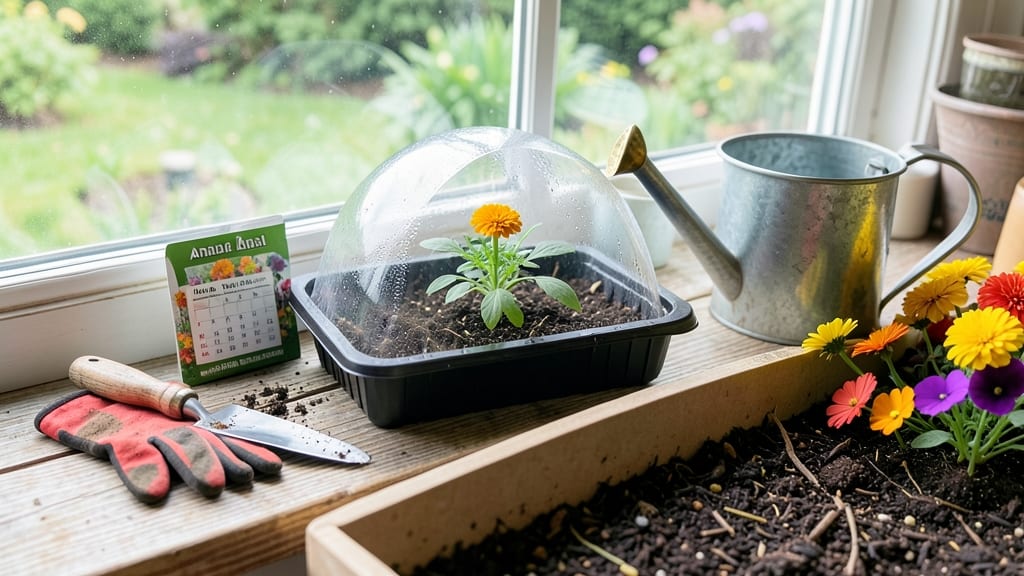
Timing your flower seed planting in Michigan can make or break your garden’s success—one late frost and your delicate 🌸 seedlings could vanish overnight. With Michigan’s unpredictable weather swings, knowing the exact window to plant isn’t just helpful—it’s essential for vibrant blooms all season long.
Most Michigan gardeners in zones 5b-6b can start sowing annual flower seeds outdoors as early as mid-April, but the real magic happens after the last frost date—typically around April 15, though it varies by region.
Whether you’re growing sun-loving zinnias or hardy marigolds, getting this timing right means stronger plants and fewer wasted seeds.
Here’s the game-changer: soil temperature matters just as much as frost dates. Waiting until the soil warms to at least 60°F ensures your seeds germinate quickly and thrive.
I’ll walk you through how to check soil temps, when to start seeds indoors (for a head start), and which flowers handle Michigan’s cool springs best.
Ready to transform your garden? Let’s break down the exact planting schedule for your Michigan zone, plus pro tips to beat frost and extend your blooming season—no guesswork required.
Michigan frost-free dates by zone: exact planting windows for flower seeds
Michigan’s USDA zones 4b through 6b create dramatic differences in frost-free dates, so timing your flower seed planting depends entirely on where you live.
In Zone 4b (northern Michigan), average last frost dates hover around May 15, while Zone 6b (southern Michigan) sees frost-free conditions by April 15—a full month difference that impacts everything from marigolds to coneflowers.
This variation means annual flowers like zinnias thrive in warmer zones but may need row covers in colder areas.
For perennial flowers such as lavender or peonies, timing matters less, but spring-blooming varieties benefit from early planting. The key is aligning your seed sowing with soil temperatures above 60°F and consistent daytime highs above 50°F.
In Michigan, this typically means late April to early May for most regions, but northern gardens may need to wait until mid-May to avoid frost damage.
🌱 Michigan’s frost-free date calculator from Michigan State University Extension is your best tool—just plug in your ZIP code to get precise dates. For example, Detroit (Zone 6a) averages a last frost of April 20, while Traverse City (Zone 5b) waits until May 10. These dates determine whether you can direct-sow seeds outdoors or must start indoors for a head start.
If you’re planting annual flowers like marigolds or zinnias, aim for 2–4 weeks before your last frost date—this gives seedlings enough time to establish roots before summer heat arrives. For perennials, sow seeds in late summer (August) to ensure they develop roots before winter.
Michigan’s short growing season means every day counts, so don’t wait until the last minute to prep your garden beds.
Soil temperature is just as critical as air temperature. Use a soil thermometer to confirm your beds are at least 60°F before planting heat-loving flowers like cosmos or sunflowers.
In northern Michigan (Zones 4b–5a), this might not happen until late May, while southern zones (6a–6b) can start as early as mid-April. Cold soil slows germination, so black plastic mulch can warm beds faster in cooler climates.
For cool-season flowers such as pansies or sweet alyssum, you can even sow seeds in early spring (March) or late summer (August) for fall blooms. These varieties tolerate light frosts and often rebloom after cold snaps, making them ideal for Michigan’s unpredictable weather.
Pair them with hardy vegetables like kale or lettuce for a year-round harvest of color.
Don’t forget about late-summer planting for flowers like cosmos or bachelor’s buttons. These fast-growing annuals thrive when sown in August, giving them time to bloom before the first frost. In Zone 6b
How to adjust planting dates for cold-hardy vs. heat-loving flowers in Michigan
Michigan’s unpredictable spring weather means your flower seed timing can’t be one-size-fits-all. Cold-hardy flowers like pansies and snapdragons can handle early April plantings in zone 6b, while heat-loving cosmos and zinnias need to wait until after the last frost—usually mid-May in zone 4b. The trick?
Adjusting your schedule based on seed type and microclimates (like Detroit’s urban heat vs. Traverse City’s cooler lakeside air).
For cold-resistant flowers, start seeds indoors 6-8 weeks before last frost (around early March) or sow directly in early April under row covers.
These varieties thrive in cooler temps, so don’t wait for perfect weather. Heat-loving flowers, on the other hand, need soil temps above 60°F—so hold off until late May or even June in northern Michigan. A soil thermometer is your best friend here!
🌱Pro Tip: Use Michigan State University’s Frost-Free Date Map to pinpoint your exact last frost date. For example, Grand Rapids (zone 5b) averages a last frost of April 20, while Marquette (zone 5a) waits until May 5.
Planting too early in cooler zones risks frost damage, while waiting too long in southern Michigan can lead to bolting (premature flowering).
Cold-Hardy vs. Heat-Loving Flowers: Planting Strategy
Examples: Pansies, Snapdragons, Sweet Alyssum
When to Plant: March-April (indoors or outdoors)
Pros: Tolerates frost, early blooms
Cons: May bolt in heat
Examples: Zinnias, Cosmos, Marigolds
When to Plant: May-June (after last frost)
Pros: Thrives in summer heat
Cons: Needs warm soil to germinate
Urban Areas: Plant heat-lovers earlier (warmer pavement)
Lakeside: Delay heat-lovers by 1-2 weeks (cooler air)
Tool: Use row covers for early starts
If you’re unsure about your local microclimate, observe your garden’s behavior over a few years. For instance, southern-facing slopes warm up faster than northern exposures, making them ideal for heat-loving flowers. Conversely, low-lying areas can stay frost-prone longer, so save cold-hardy varieties for those spots.
I’ve even seen gardeners in zone 6b plant cosmos in late April with black plastic mulch to speed up soil warming!
For a second blooming season, don’t forget about late summer plantings. Many flowers like cosmos and sunflowers can be sown directly in August for fall color. Just be sure to choose varieties with shorter days to maturity (e.g., ‘Bright Lights’ swiss chard or ‘Tom Thumb’ sunflowers).
This strategy extends your garden’s life and gives you continuous blooms from spring to frost.
Finally, keep an eye on weather forecasts in late April and May. If a late frost warning pops up, rush to cover seedlings with frost cloth or move potted plants to a sheltered spot.
I’ve lost count of the times I’ve saved my petunia seedlings with a quick cover-up—it’s a game-changer for Michigan gardeners! With these adjustments, you’ll turn Michigan’s short growing season into a long, colorful spectacle.