
Flowers
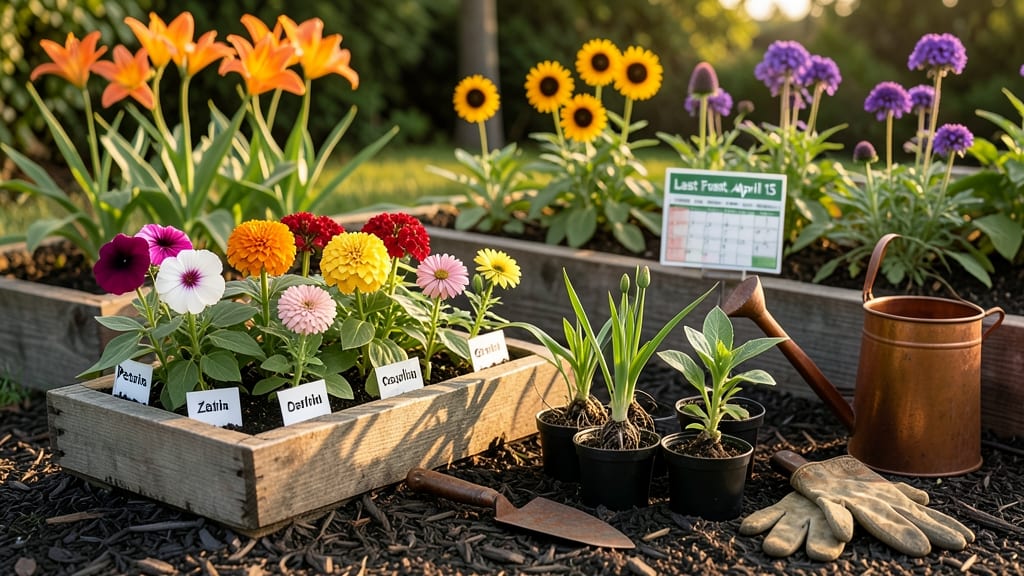
Philadelphia flower planting calendar by season: exact dates for zero-frost success
Philadelphia’s Zone 7b climate means last frost dates average around April 15, while the first frost typically arrives by October 15. Timing your plantings within these windows ensures your flowers thrive without frost damage.
Spring is the prime season for planting most flowers, but fall also offers opportunities for cold-hardy varieties.
For annual flowers, aim to plant after the last frost date when soil temperatures reach at least 60°F.
This usually falls between mid-April and early May, depending on the year. Perennials can often be planted in either early spring or fall, with fall planting giving roots time to establish before winter.
Bulbs like tulips and daffodils should be planted in fall (October) to bloom the following spring. Tender flowers, such as petunias and geraniums, need to wait until after the last frost to avoid frost damage. Understanding these timing differences is key to a vibrant garden.
| Season | Plant Type | Planting Window | Notes |
|---|---|---|---|
| Spring | Annuals | Mid-April to early May | After last frost, soil at 60°F |
| Spring | Perennials | Early April to May | Early spring or fall planting |
| Fall | Bulbs | October | 6-8 weeks before first frost |
| Fall | Cold-Hardy Annuals | September | Pansies, snapdragons |
Summer planting is limited but can include heat-tolerant annuals like zinnias and marigolds after Memorial Day. These flowers thrive in hot, dry conditions and can be direct-sown or transplanted in June or July. However, avoid planting during peak summer heat, as young plants may struggle to establish.
Fall is another excellent time to plant cool-season flowers like chrysanthemums and asters. These varieties can handle cooler temperatures and often bloom well into late autumn. Plant them in September to give roots time to establish before winter sets in.
If you’re planting tender perennials like lavender or rosemary, wait until late spring or early summer when soil is consistently warm. These plants prefer dry, well-draining soil and can tolerate heat better once established. Always monitor weather forecasts for unexpected late frosts.
For container gardening, you can extend your planting season by moving pots indoors or to a sheltered location during cold snaps. This is especially useful for tender annuals like impatiens or begonias, which can’t handle frost. Start these indoors in late winter and transplant after the last frost.
Philadelphia’s urban microclimates can also affect planting times. Areas near large buildings or pavement may experience heat islands, allowing you to plant slightly earlier in spring or later in fall. Conversely, low-lying areas may have frost pockets that freeze earlier, so adjust accordingly.
To maximize success, always check the soil temperature with a thermometer before planting. Most flowers prefer soil that’s at least 60°F, and cooler soil can delay germination or stunt growth. Amend your soil with compost or organic matter to improve drainage and fertility before planting.
By following these seasonal guidelines, you’ll create a stunning flower garden that blooms reliably year after year, even with Philadelphia’s unpredictable weather. Happy planting! 🌸
Best flowers to plant in Philadelphia by month: frost-resistant picks for each season
Philadelphia’s Zone 7b climate lets you grow stunning flowers year-round, but timing matters! Cold-hardy annuals like pansies thrive in early spring, while heat-loving petunias need summer’s warmth. I’ll break down the best flowers by month, so you can enjoy blooms from March through October without frost worries.
For early spring planting (March-April), focus on frost-tolerant flowers that handle Philadelphia’s late frosts (April 15 average). Pansies and violas are top picks—they bloom even in 40°F temperatures! These cheerful flowers also resist powdery mildew common in damp spring air.
- Pansies (March-April): Cold-hardy to 20°F, blooms all season. 🌸
- Sweet Alyssum (April-May): Drought-resistant, attracts pollinators. 🐝
- Daffodils (Fall or early spring): Bulbs planted in September bloom by April. 🌼
- Calendula (May): Edible petals, thrives in partial shade. ☀️
- Petunias (May-June): Heat-loving, needs full sun for vibrant blooms. 🌻
- Marigolds (June): Pest-repellent, thrives in hot, dry Philly summers. 🪴
- Zinnias (June-July): Long-lasting blooms, deer-resistant. 🌺
- Lantana (June-August): Drought-tolerant, attracts butterflies. 🦋
- Chrysanthemums (September): Fall-blooming, thrives in cool nights. 🌼
- Astors (September): Fragrant, late-season color. 🌷
- Pansies (again!) (September-October): Second blooming in fall. 🌸
- Kale (Ornamental) (September): Cold-hardy, edible flowers. 🌿
For summer planting (June-August), prioritize heat-tolerant varieties like zinnias or lantana. These flowers handle Philadelphia’s humid summers and urban heat islands better than delicate annuals. Succession planting every 2-3 weeks ensures continuous blooms!
Don’t overlook fall planting (September-October)! Chrysanthemums and astors thrive in cooler temps and add late-season color. Plant bulbs like tulips in September for spring blooms—just cover them with 3 inches of mulch to protect from early frosts.
Pro tip: Use row covers for tender flowers planted in May if late frosts hit. I’ve saved many petunia plants this way! Also, native flowers like black-eyed Susans need minimal care and attract local pollinators.
Now you’re ready to plant with confidence! Whether you’re a beginner gardener or a seasoned pro, these month-by-month picks will keep your Philadelphia garden blooming beautifully—frost-free and fabulous. 🌷