
Flowers
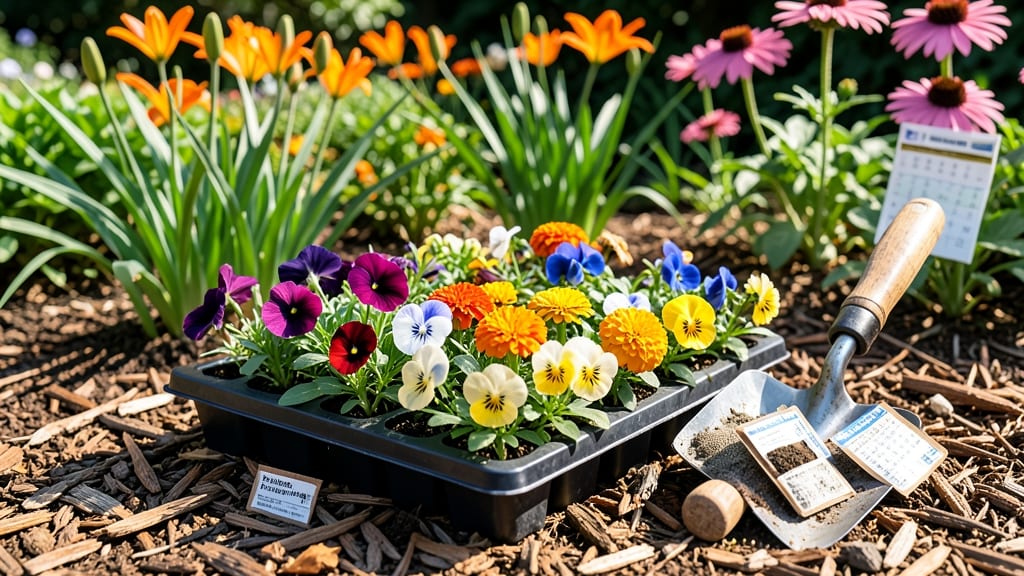
Timing your flowers 🌸 planting in Pittsburgh isn’t just about luck—it’s about knowing the 6a zone secrets that make all the difference between wilted dreams and a showstopping garden.
With frost creeping back as late as mid-October and spring’s last freeze lingering until April, getting those bulbs and seedlings in the ground at the right moment means the difference between 3-month blooms and 3-week struggles.
I’ve spent years watching Pittsburgh’s unpredictable weather play havoc on gardens, and let me tell you—there’s a science to beating it. Whether you’re dreaming of spring tulips or fall mums, the key is planting when the soil warms but the air stays cool enough to protect tender roots.
Miss the window, and you’ll either be racing against frost or waiting months for color to appear.
Here’s what you need to know: Annuals can go in as early as March, but perennials and bulbs wait for that last frost date—usually around April 15.
Fall planting? Start in September to give roots time to establish before winter sets in. I’ll break down the exact calendar, so you never guess again.
From container gardens on fire escapes to backyard beds, I’ll cover everything—including how to spot Pittsburgh’s microclimates (like those warmer river valleys) that can give you an extra week of growing time. Let’s turn your garden into a year-round masterpiece, one season at a time.
Pittsburgh flower planting calendar by season (zone 6a-6b guide)
Pittsburgh’s hardiness zones 6a-6b mean we get roughly 165 frost-free days each year—just enough to grow stunning flowers if you time it right. The key is knowing when to plant for spring blooms (April-June) and fall color (September-October).
Since last frosts typically hit April 15-May 15 and first frosts arrive October 15-November 1, your planting windows are short but sweet.
Annuals like marigolds and petunias need to go in 2-3 weeks before your last frost, while perennials like coneflowers can wait until after frost danger passes.
Bulbs? Plant them in fall (September-October) for spring surprises. Let’s break down the best times for each flower type to keep your garden thriving all season.
| Season | Plant Type | Best Months | Notes |
|---|---|---|---|
| Spring | Annuals | April-May | Plant after last frost (April 15-May 15). |
| Spring | Perennials | April-May | Wait until soil warms (60°F+). |
| Fall | Bulbs | September-October | Plant 6-8 weeks before first frost. |
| Fall | Tender Annuals | August-September | Start indoors for late blooms. |
| Year-Round | Container Flowers | March-October | Move pots indoors before frost. |
For spring planting, focus on hardy annuals like pansies and snapdragons, which can handle light frosts. These can go in as early as March if you use row covers for protection. Perennials, however, should wait until after May 1 when soil temperatures consistently stay above 60°F.
Don’t overlook fall planting—it’s the best time for bulbs like tulips and daffodils, which need 6-8 weeks of chill to bloom. Plant them by October 15 to ensure roots establish before winter. Tender annuals like geraniums can also be sown in late summer for September-October blooms.
If you’re growing in containers, you’ve got more flexibility. Move pots indoors before the first frost (usually mid-October) to extend the season. Succession planting is another trick—sow fast-growing annuals like bachelor’s buttons every 2 weeks for continuous color.
Pittsburgh’s microclimates matter too. Areas near the Allegheny River stay warmer longer, while higher elevations (like Mt. Washington) get frost earlier. Adjust your planting dates by 1-2 weeks if you’re in a cooler spot. Always check a local frost forecast before committing to outdoor planting.
Pro tip: Use heat mats or greenhouses to start seeds indoors in February for early blooms. This gives petunias and geraniums a head start before transplanting after the last frost. Just be ready to harden off seedlings gradually to avoid shock.
For late-season blooms, try cold-hardy varieties like chrysanthemums or asters, which thrive in fall’s cooler temps. These can handle light frosts and often bloom right up until November. Pair them with ornamental grasses for winter interest.
Finally, keep a planting journal to track what works best in your
Best flowers to Plant in Pittsburgh by season (cold-hardy vs. tender varieties)
Pittsburgh’s 6a-6b climate means choosing the right flowers can make or break your garden’s success. Cold-hardy varieties like coneflowers and black-eyed Susans thrive after frost, while tender annuals like petunias need protection from late spring chills.
Let’s break down the best options for each season to keep your garden blooming year-round.
For spring planting, focus on perennials that handle Pittsburgh’s late frosts. Daffodils and tulips planted in fall will reward you with early color, while coreopsis and shasta daisies can go in after the last frost. These cold-resistant picks bounce back even if temps dip unexpectedly.
🌸
🌱 Spring Planting (March-May)
- ✅ Coneflowers – Drought-tolerant, attracts pollinators
- ✅ Black-Eyed Susans – Thrives in poor soil
- ✅ Russian Sage – Drought-resistant, purple blooms
- ⚠️ Petunias – Needs frost protection
- ⚠️ Marigolds – Plant after last frost
- ⚠️ Zinnias – Fast-growing but frost-sensitive
☀️ Summer Planting (June-August)
- ✅ Sunflowers – Full sun, fast growth
- ✅ Lantana – Drought-tolerant, vibrant colors
- ✅ Cosmos – Low-maintenance, airy blooms
- ✅ Daylilies – Blooms all summer
- ✅ Bee Balm – Attracts hummingbirds
- ✅ Catmint – Long-blooming, deer-resistant
🍂 Fall Planting (September-October)
- ✅ Tulips – Plant by October 15
- ✅ Daffodils – Deer-resistant, early blooms
- ✅ Crocus – Pushes through snow
- ❌ Tender annuals (e.g., geraniums)
- ❌ Warm-season veggie flowers (e.g., sunflowers)
- ❌ Frost-sensitive perennials (e.g., cannas)
For fall planting, prioritize bulbs like tulips and daffodils—they need 6-8 weeks of cool soil to root before winter. Mums and asters also thrive when planted in early fall, giving you late-season color before frost.
Skip tender annuals this time of year unless you’re using container gardening with frost protection.
Pittsburgh’s river valleys and hilly areas create microclimates—warmer near the Monongahela River, cooler on higher elevations. Adjust planting dates by 1-2 weeks if your yard sits in a frost pocket. For example, petunias might survive a week longer in a south-facing bed than in a shady corner.
🌿 Whether you’re a beginner or seasoned gardener, matching flowers to Pittsburgh’s unpredictable weather ensures your garden stays vibrant from spring through fall. Start with cold-hardy perennials for low-maintenance blooms, then layer in seasonal annuals for pops of color.