
Flowers
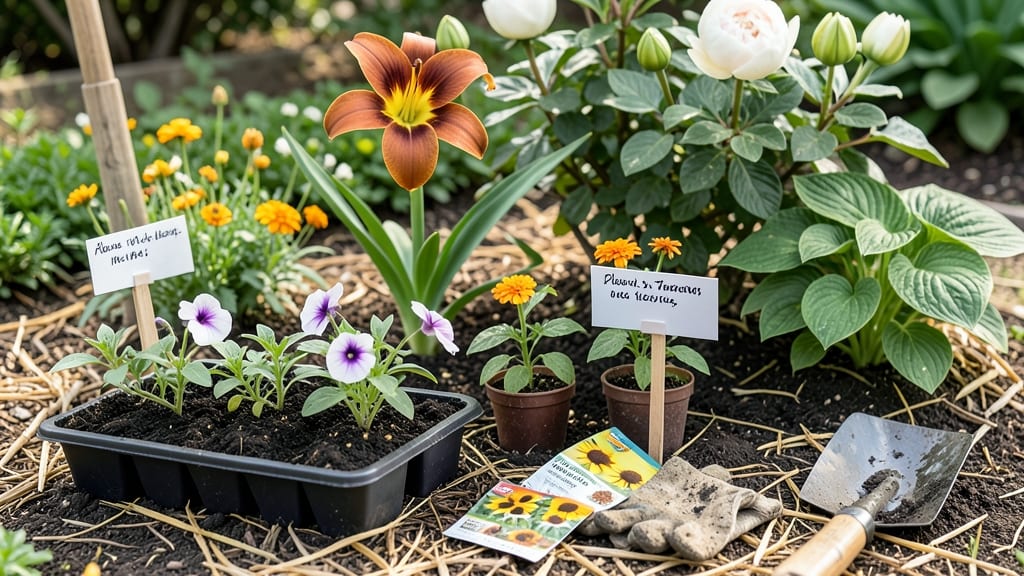
Timing your flowers in Rhode Island planting just right can transform your garden from a sleepy patch of dirt to a vibrant explosion of color—but get it wrong, and you’ll be fighting frost damage all season.
With USDA Zone 6a’s unpredictable coastal winds and shifting frost dates, knowing when to plant isn’t just helpful—it’s essential for success.
Most gardeners in Rhode Island wait until after the last frost date (around April 15), but the real secret lies in matching your 🌸 flowers to the season.
Annuals like zinnias and marigolds thrive when planted in late spring, while hardy perennials such as coneflowers and daffodils can go in the ground as early as March or as late as early September—just don’t rush it.
Here’s what you’ll discover: the exact planting windows for Rhode Island’s most reliable blooms, how to adjust for coastal microclimates, and which flowers will reward you with months of color—without requiring a PhD in horticulture. Let’s get your garden growing on the right schedule.
Whether you’re a first-time planter or a seasoned pro, these timing tips will help you avoid common mistakes and maximize your flowers’ potential. Ready to turn your yard into a showstopper? Let’s dive in.
Rhode Island frost-free dates by planting Zone: exact timing for annuals & perennials
Rhode Island’s USDA Hardiness Zones 6b-7a create a unique challenge for gardeners, with coastal areas like Narragansett Bay often experiencing later frosts than inland regions. The average last frost date hovers between April 15 and May 15, but this can shift by 1-2 weeks depending on your exact location.
For annual flowers, this timing is critical—planting too early risks frost damage, while waiting too long can stunt growth before summer heat arrives.
Understanding these microclimates is key: Southern RI (Zone 7a) may see frost-free conditions by mid-April, while Northern RI (Zone 6b) might not reach this until early May. Perennials, which establish roots over time, offer more flexibility, but even they benefit from planting at the right moment to avoid winter stress.
Let’s break down the exact windows for both cool-season and warm-season flowers to maximize your garden’s potential.
| Zone & Location | Last Frost Date | Best Planting Window | Cool-Season Flowers | Warm-Season Flowers |
|---|---|---|---|---|
| Zone 7a (Southern RI) | April 15–April 30 | April 15–May 10 | Pansies, Snapdragons, Lettuce | Zinnias, Marigolds, Sunflowers |
| Zone 6b (Northern RI) | May 1–May 15 | May 1–May 25 | Violas, Kale, Radishes | Petunias, Dahlias, Basil |
| Coastal Areas (Narragansett Bay) | May 1–May 10 | May 10–June 1 | Arugula, Spinach | Impatiens, Coleus |
| Inland Areas (Providence) | April 20–April 25 | April 25–May 5 | Peas, Broccoli | Tomatoes, Peppers |
🌱 Pro Tip: Use row covers to plant 2 weeks earlier in cool zones!
For cool-season flowers, which thrive in mild temperatures, aim to plant 4-6 weeks before your area’s last frost date.
This gives them time to establish roots before summer heat arrives. Pansies and snapdragons are excellent choices for early spring, as they tolerate light frosts and add color to chilly gardens. In Zone 7a, you can even start sowing seeds indoors in March for a head start.
Warm-season flowers, like zinnias and marigolds, need consistent warmth to germinate and flourish. Wait until after the last frost and ensure soil temperatures are above 60°F (15°C). In Northern RI (Zone 6b), this often means waiting until mid-May. These flowers are heat-tolerant and will reward you with bold blooms all summer if planted at the right time.
Don’t overlook fall planting either! Many annuals and perennials can be sown in late summer (August–early September) for fall color. Cosmos and asters are perfect for this, as they thrive in cooler autumn temperatures and add vibrant hues to your garden as summer winds down.
Just be sure to mulch heavily to protect roots from early winter frosts.
If you’re unsure about your exact last frost date, check local weather stations or use historical data from the National Weather Service. Gardening apps like Gardenate or PlantNet can also provide personalized planting calendars based on your ZIP code.
These tools take the guesswork out of timing and help you avoid costly mistakes like planting too early or too late.
For bulbs, like tulips and daffodils, the timing is different: plant them in fall (October–November) so they establish roots before winter.
This gives them a head start in spring and ensures vibrant blooms when other flowers are still dormant. Perennial flowers, such as coneflowers and black-eyed Susans, can be planted in early spring (April) or early
Best flowers to plant in Rhode Island by season: month-by-month guide
Rhode Island’s four distinct seasons create perfect opportunities for a year-round flower garden. Whether you’re planting hardy perennials in spring or cool-season annuals in fall, each season offers unique flowers that thrive in USDA Zones 6b-7a.
Let’s break down the best blooms for every month, from frost-resistant tulips in March to mums that brave autumn chill.
Spring kicks off with pansies and violas, which tolerate light frosts and add early color to beds. By May, zinnias and marigolds take center stage, while peony and iris perennials establish roots for years of blooms.
Summer’s heat is no match for sunflowers and coneflowers, while fall asters and chrysanthemums bring late-season flair before winter’s first frost.
🌸 Spring (March–May): Start with bulb flowers like daffodils and crocuses in early March, followed by pansies and sweet peas as temperatures rise. By late April, petunias and geraniums thrive in containers or garden beds, while perennials like black-eyed Susans can be planted after the last frost (typically mid-April to early May).
☀️ Summer (June–August): Heat-loving zinnias, sunflowers, and cosmos dominate summer gardens, while hydrangeas and lavender add structure. For extended blooms, deadhead spent flowers regularly and mulch to retain moisture. Late summer (August) is also prime time to plant fall-blooming bulbs like tulips for next spring’s display.
🍂 Fall (September–November): Mums, asters, and goldenrod shine in autumn’s cooler air, while pansies and snapdragons return for late-season color. September is ideal for planting spring-blooming bulbs like daffodils and hyacinths, which need 6–8 weeks of chill to flower. Perennials like coneflowers can also be divided in early fall for stronger growth next year.
❄️ Winter (December–February): While most flowers dormancy, winter jasmine and hellebores offer year-round interest. Use this time to plan next year’s garden layout, amend soil with compost, and protect tender perennials with mulch. Early February is perfect for ordering seeds and starting cool-season crops like pansies indoors for a head start.
- 🌷 March: Plant bulbs (tulips, daffodils) and hardy annuals (pansies) in protected spots.
- 🌸 April: Sow sweet peas and petunias after last frost (mid-April in most areas).
- ☀️ May: Transplant perennials (peony, iris) and direct-sow zinnias and marigolds.
- 🌻 June: Add summer bloomers (sunflowers, cosmos) and mulch heavily to retain moisture.
- 🍂 September: Plant fall mums and asters and spring-blooming bulbs for next year.
- 🍁 October: Divide perennials (coneflowers, daylilies) and protect tender plants with row covers.
For coastal areas near Narragansett Bay, delay planting by 1–2 weeks to avoid salt spray damage. Inland gardens can plant 3–5 days earlier thanks to milder microclimates.
Always check soil temperature—most flowers need 60°F+ soil to thrive. With this seasonal roadmap, your Rhode Island garden will bloom beautifully year-round!