
Plants
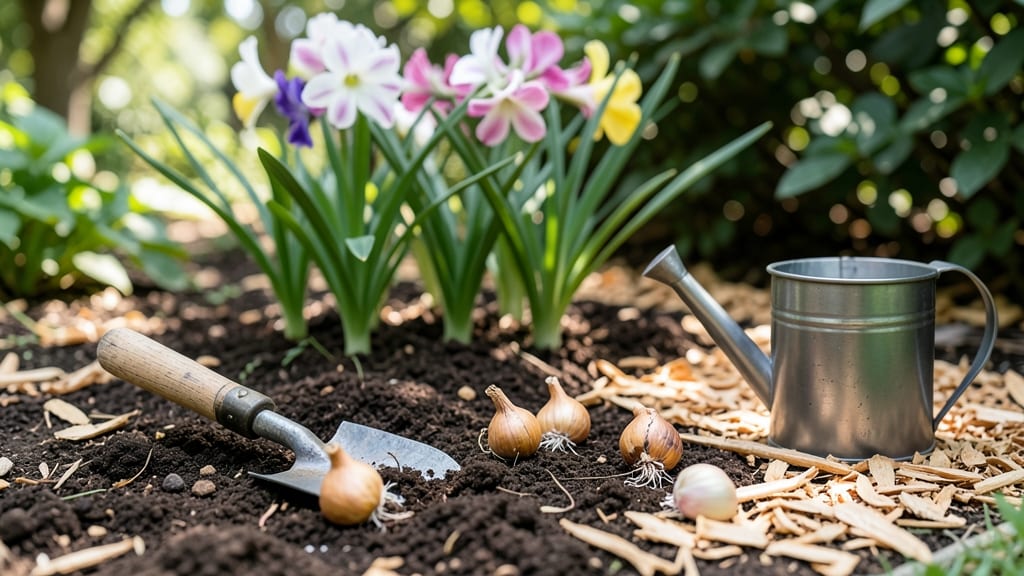
When to plant freesias in the UK means the difference between a garden bursting with fragrant blooms and a sad, wasted investment. Planting these delicate beauties too early risks frost damage, while waiting too long can trigger premature flowering—both scenarios leave you with nothing but disappointment.
As someone who’s learned the hard way, I’ll share exactly when to plant freesias in the UK so you avoid those common mistakes.
Whether you’re in frost-prone London (8a) or milder Cornwall (9a), the right window is September to November—but there’s more to it than just calendar dates.
You’ll discover how to read your local frost dates, prepare soil for maximum success, and even troubleshoot if your freesias start bolting too soon. No more guessing—just a foolproof plan for vibrant spring displays that’ll make your neighbors green with envy.
Let’s dive into the exact steps to plant freesias at the perfect moment, ensuring your garden becomes a fragrant paradise come spring. Trust me, your future self will thank you!
UK freesia planting timeline: frost dates and regional variations
Timing your freesia corms perfectly in the UK is the secret to avoiding bolting and ensuring fragrant spring blooms. Unlike Mediterranean climates, the UK’s variable frost dates and regional microclimates demand precision.
Plant too early, and you risk premature sprouting from winter warmth; too late, and your blooms may arrive after the frost. The ideal window is September to November, but your exact timing depends on where you live.
Freesias thrive in USDA zones 8a-9a, but even within these zones, frost dates vary wildly. For example, Cornwall’s last frost is often by January 15, while London’s can linger until February 15.
Scotland’s colder regions may see frost as late as March, meaning you’ll need to adjust your planting schedule accordingly. Understanding these regional differences is key to avoiding bolted bulbs that flower too early or fail to bloom at all.
The comparison table below breaks down the optimal planting windows by UK region, accounting for first and last frost dates. Use this as your guide to time your planting for zero-bolt success, whether you’re in sunny Cornwall, the Midlands, or a colder Scottish garden.
| Region | Last Frost Date | First Frost Date | Ideal Planting Window | Adjustment for Microclimates |
|---|---|---|---|---|
| South East (London, Kent) | February 15 | November 15 | Late September to mid-November | Urban areas: plant 1-2 weeks earlier (heat islands warm soil faster). |
| Midlands (Birmingham, Manchester) | February 1 | November 1 | Mid-September to early November | Cooler inland areas: delay by 1 week if soil stays cold. |
| North (Yorkshire, North East) | January 31 | October 31 | Early September to late October | Higher elevations: plant 2 weeks earlier in containers for flexibility. |
| Scotland (Edinburgh, Glasgow) | March 15 | September 30 | August to mid-September | Grow in containers and move indoors before frost. |
| South West (Cornwall, Devon) | January 15 | November 30 | Late August to November | Mild winters: can plant December for late spring blooms. |
If you’re unsure about your local frost dates, check the Met Office’s frost forecast or observe your garden’s behavior. Freesias planted in well-draining soil with partial shade in colder regions will tolerate slightly later planting.
For example, in Scotland, starting corms in containers indoors in August and transplanting after the first frost can extend your growing season.
Another pro tip: Chill your corms for 6-8 weeks before planting if your autumn is unusually warm. Place them in a paper bag in the fridge to mimic winter conditions and prevent premature sprouting.
This trick works wonders for gardeners in urban heat islands or mild coastal areas where soil temperatures stay above 10°C (50°F) well into autumn.
For container growers, timing is even more critical. Plant 4-6 weeks earlier than in-ground freesias because pots warm up faster and are more vulnerable to temperature fluctuations. Use black plastic pots to absorb heat in cooler climates, or wrap containers in bubble wrap for extra insulation if frost threatens.
Remember, freesias need 120-180 days from planting to bloom. If you’re aiming for Easter displays, start planting in late September in most of the UK.
For a late spring show, push planting to early November—just be prepared to protect your bulbs with fleece or cloches if frost arrives early.
UK freesia planting timeline: frost dates and regional variations
Planting freesias in the UK isn’t a one-size-fits-all task—frost dates vary dramatically from Cornwall to Scotland. In the South East, where last frosts average mid-February, your planting window opens earlier than in Northern England or Scotland, where frosts linger until late March or April.
These differences mean the wrong timing can trigger bolting (premature flowering) or frost damage, ruining your spring display.
To avoid these pitfalls, aim to plant freesia corms 6-8 weeks before your area’s last frost date. For most UK gardeners, that means September to November. But don’t just guess—use your local frost-free window as your guide.
For example, gardeners in London (USDA Zone 8a) can start as early as late August, while those in Edinburgh (Zone 7b) should wait until mid-October.
| Region | Last Frost Date | Ideal Planting Window | Microclimate Tip |
|---|---|---|---|
| South East (London, Kent) | Mid-February | Late August–October | Urban areas stay warmer; plant 2 weeks earlier. |
| Midlands (Birmingham, Manchester) | Early March | September–early November | Cooler nights; extend window to mid-November. |
| North (Yorkshire, Lake District) | Late March | October–November | Highland areas; delay until after October 15. |
| Scotland (Edinburgh, Glasgow) | April | November | Coldest region; use container growing for control. |
Even within regions, microclimates play a huge role. A south-facing slope or urban heat island (like a city center) can push your planting window 2 weeks earlier, while a shady garden or coastal area may require delaying by 1-2 weeks.
To test your microclimate, plant a few corms in early September and monitor for signs of bolting—if shoots appear before December, you’re too early.
For container growing, which is ideal for colder regions, plant your corms in late October or November and keep pots in a frost-free greenhouse or shed until spring. This gives you flexibility to move containers to protected outdoor spots once frost risk passes.
Just ensure containers have drainage holes to prevent rot, a common issue in UK’s damp winters.
If you miss the ideal window, don’t panic. Freesias planted in December can still flower, though blooms may be smaller or delayed. The key is to avoid planting before October—early planting triggers bolting, and you’ll end up with leggy stems and few flowers.
For a reliable spring display, stick to the regional guidelines and adjust for your garden’s unique conditions.
Pro tip: Mark your last frost date on your calendar and count backward 6-8 weeks—this is your planting deadline. Use this timeline to plan ahead and ensure your freesias burst into bloom just as the UK’s spring chill lifts.