
Planting
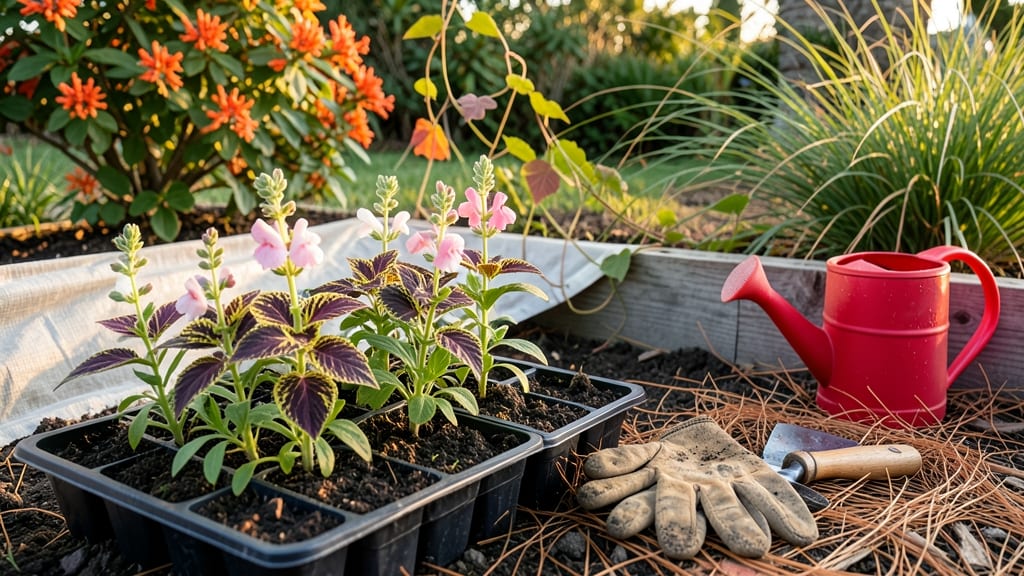
Timing your garden planting in Florida isn't just about following a calendar—it's about outsmarting the state's unpredictable weather patterns before they sabotage your hard work.
Whether you're growing vegetables, flowers, or shrubs, planting too early can mean frost damage in North Florida or wilting heat stress in the South, while waiting too long cuts your harvest short.
I've learned the hard way that Florida's three distinct seasons—cool, warm, and tropical—each demand different strategies. The 10-day rule (planting when nighttime temps stay above 50°F) becomes your best friend, but even that varies dramatically from Zone 8 in the Panhandle to Zone 11 in Miami.
Let me show you exactly which months work best for your specific region and how to avoid the three mistakes that kill Florida gardens before they even get started.
From extending your growing season with simple techniques to choosing heat-tolerant varieties that thrive when others fail, this guide gives you the insider knowledge Florida gardeners swear by. You'll discover how to time your plantings for maximum yield without playing Russian roulette with hurricane season disruptions.
Ready to turn your Florida garden from a gamble into a guaranteed harvest? Let's dive into the exact planting windows and pro tips that'll have your plants flourishing when others are struggling.
Florida planting calendar by season: exact months for vegetables, flowers & herbs
Florida’s gardening seasons aren’t just about summer and winter—they’re divided into three distinct zones: cool (fall-winter), warm (spring-summer), and tropical (year-round). The key to success? Aligning your planting with Florida’s frost-free windows and heat tolerance thresholds for each plant type.
For example, North Florida (Zones 8a-8b) has cooler winters, while South Florida (Zones 10a-11) rarely dips below 40°F.
Most Florida gardeners follow the "10-day rule": plant when nighttime temperatures stay above 50°F (10°C) for at least 10 consecutive days. This rule works for cool-season crops like lettuce and broccoli, but tropical plants like tomatoes thrive when soil temps hit 60°F (15°C).
Ignoring these thresholds can lead to stunted growth or total crop failure.
Here’s the breakdown: cool-season plants (Sept–March) handle Florida’s mild winters, while warm-season plants (March–Sept) need heat to germinate. Succession planting—sowing seeds every 2–3 weeks—maximizes yields for heat-sensitive crops like peas or spinach before summer’s intensity sets in.
🌱 Pro Tip: Use Florida’s USDA Hardiness Zones as a starting point, but always check your local frost dates (North Florida averages 2–3 light frosts/year; South Florida sees none).
For instance, sweet potatoes can be planted in April–June across the state, but kale thrives in fall (Sept–Nov) when temps drop.
Regional microclimates add another layer. Coastal areas like Miami can plant year-round, while inland Orlando may need to wait until mid-April for warm-season crops. Always test your soil temperature with a thermometer—ideal ranges vary by plant (e.g., peppers need 70°F+ soil, while carrots prefer 55–65°F).
🌿 Warning: Avoid planting during hurricane season (June–Nov)—young seedlings won’t survive high winds or flooding. Instead, time your transplanting to late August for fall crops or February for spring, when storms are less frequent.
Florida Planting Calendar by Region & Season
| Season | North Florida (Zones 8a-8b) | Central Florida (Zones 9a-9b) | South Florida (Zones 10a-11) |
|---|---|---|---|
| Cool Season (Sept–March) | Sept–Nov (fall) / Feb–March (spring) | Oct–Dec (fall) / Jan–Feb (spring) | Year-round (shade cloth for summer) |
| Warm Season (March–Sept) | March–April / Aug–Sept (succession) | Feb–March / July–Aug | Jan–Feb / Sept–Oct |
| Tropical (Year-Round) | Sweet potatoes, okra (spring–fall) | Bananas, citrus (year-round) | Mangoes, avocados (year-round) |
| Avoid Planting | Dec–Jan (frost risk) | June–July (peak heat) | June–Oct (hurricane season) |
🌡️ Key: Adjust for microclimates (e.g., coastal areas plant earlier than inland).
For vegetables, aim to harvest before summer’s heat peaks.
For example, plant broccoli in September (North Florida) or October (Central Florida) to enjoy it in winter, then switch to tomatoes in March for summer harvests. Herbs like basil thrive in spring and fall, while rosemary can handle year-round in South Florida.
🌻 Florida-Friendly Plants: Prioritize native or adapted varieties like Okra, Sweet Potatoes, and Black-Eyed Peas—they’re drought-tolerant and heat-resistant. Even in North Florida, these plants outperform traditional garden staples during summer’s 90°F+ (32°C+) temps.
Use mulch (straw or pine needles) to regulate soil temperature—this is critical for warm-season crops like peppers, which wilt if soil cools below 65°F (18°C). In cool seasons, mulch insulates roots from frost damage (even light frosts can kill tender greens).
💡 Final Tip: Bookmark your local UF/IFAS Extension Office frost maps (e.g., UF/IFAS) and monitor weekly weather forecasts. Florida’s planting windows shift 2–4 weeks based on rainfall and humidity—flexibility is key!
3 Critical planting mistakes Florida gardeners make (and how to fix them)
Florida’s warm climate might seem perfect for gardening, but timing mistakes can ruin your harvest. Many gardeners overlook soil temperature, regional microclimates, or hurricane season risks—leading to wasted effort and lost yields. Let’s fix these common errors before they derail your garden.
First, planting too early is a trap. Cool-season crops like broccoli or spinach need nighttime temps above 50°F.
If you start before mid-February in North Florida, a late frost can kill seedlings. South Florida has a longer window, but even there, heat-sensitive plants like lettuce bolt prematurely if planted in summer.
Ignoring soil temperature is another silent killer. A soil thermometer is your best friend—most seeds need 60-70°F soil to sprout. In Florida’s heat, shade cloths or mulch can buy you extra weeks of ideal conditions. For example, tomatoes and peppers thrive when soil hits 70°F+, but cool starts delay growth by weeks.
⚠️ Warning: Planting in Hurricane Season
June–October is peak hurricane season in Florida. Young plants struggle to recover from wind and flooding. Solution: Start hardy perennials (like rosemary or citrus) early, but wait until September for annuals like marigolds or sweet potatoes.
🌧️ Pro Tip: Use windbreaks (like bamboo fencing) to shield seedlings.
Choosing the wrong plant varieties for your zone is a third mistake. North Florida’s USDA Zone 8b can handle cold-hardy kale, but South Florida’s Zone 10a will fry it. Heat-tolerant okra or sweet potato are better bets for the southern half.
Always check seed packets for "days to maturity"—longer seasons need faster-growing varieties.
To fix these issues, I recommend a two-step approach. First, test your soil (pH 6.0–7.0 is ideal for most veggies). Second, adjust planting dates by 2–4 weeks based on your county’s last frost date.
For example, Orlando’s last frost is mid-January, while Miami’s is never—so cool-season crops go in October–November there.
Finally, succession planting saves the day when timing goes wrong. Instead of one big tomato harvest in summer, plant new seeds every 2 weeks from March to September.
This ensures a steady supply and reduces risk if a storm hits. With these fixes, your Florida garden will thrive—no more wasted seeds or wilted dreams!