
Plants
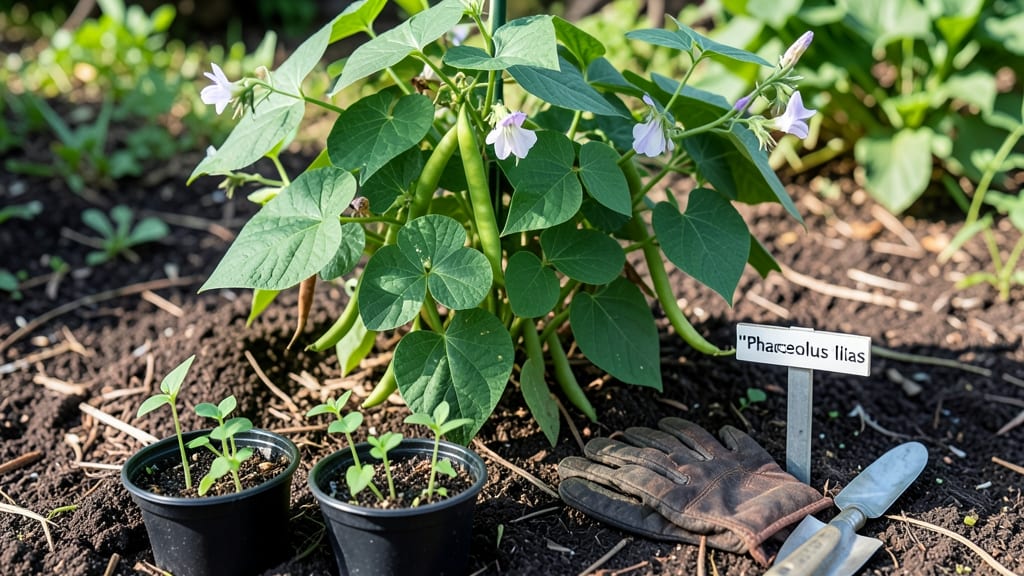
North Florida green bean planting calendar: exact months and temperature rules
Green beans thrive in North Florida’s warm climate, but timing is everything. The USDA Zones 8a-9a here mean you can grow two successful crops per year—spring and fall—if you follow the temperature rules and avoid common mistakes like planting too early or late.
Spring is your first window, but don’t rush. Green beans need soil temperatures above 60°F to germinate properly. In North Florida, this typically aligns with mid-March to mid-April, after the last frost date of February 15. Planting earlier risks stunted growth or even seed rot.
Fall planting is equally critical. Aim for August 1 to September 15 to ensure your beans mature before the first frost on November 15. This timing gives you a 90-day growing season, perfect for most varieties.
Here’s the exact breakdown of your planting calendar, including soil temperature thresholds and key milestones:
| Season | Planting Window | Soil Temp Requirement | Key Consideration |
|---|---|---|---|
| Spring | March 1 - April 15 | 60°F+ | Avoid planting before last frost (Feb 15) |
| Fall | August 1 - September 15 | 70°F+ | Harvest before first frost (Nov 15) |
| Soil Prep | 2-3 weeks before planting | 65°F+ | Test pH (6.0-7.0) and amend with compost |
| Harvest Window | May-June, October-November | N/A | Pick every 2-3 days to encourage production |
One of the biggest mistakes gardeners make in North Florida is planting green beans in late spring or early summer. Temperatures above 90°F can stress plants, leading to poor pod formation and even flower drop.
If you’re tempted to plant in June or July, opt for heat-tolerant varieties like 'Rattlesnake' or 'Contender' and provide afternoon shade.
Another pro tip: Use a soil thermometer to confirm temperatures before planting. Green beans won’t germinate well in cooler soils, and waiting for the right conditions ensures stronger starts. I’ve seen too many gardens waste seeds by planting too early—don’t let that be you!
For container growers, the rules are slightly different. Since pots heat up faster, plant your spring crop in April and your fall crop in early September to avoid overheating. Also, use larger containers (at least 12 inches deep) to accommodate root growth and improve stability.
Finally, remember that North Florida’s humidity can promote fungal diseases like bean rust or white mold. To combat this, space your plants properly (4-6 inches apart for bush types, 6-8 inches apart for pole varieties) and avoid overhead watering.
A little extra airflow goes a long way in keeping your green beans healthy and productive.
With these exact timing rules and soil temperature guidelines, you’ll be well on your way to a bountiful harvest—no more guesswork, just fresh green beans from your garden! 🌱
Best heat-resistant green bean varieties for North Florida’s climate
North Florida’s sweltering summers and high humidity can turn traditional green bean varieties into a bust—unless you choose the right heat-tolerant types. The key is selecting varieties bred to thrive in 90°F+ temperatures and high humidity, like Contender and Rattlesnake, which stay productive when others bolt.
These varieties also resist common Florida pests like bean beetles and white mold, giving you a better chance at a successful harvest.
For bush beans, Blue Lake Bush is a top performer, maturing in just 50-55 days and producing crisp, flavorful pods even in heat. If you prefer pole beans, Kentucky Wonder climbs steadily and handles humidity better than most varieties.
Both types deliver higher yields in North Florida’s climate compared to cooler-weather varieties.
Here’s a quick comparison of the best heat-resistant varieties for your garden:
| Variety | Type | Days to Maturity | Heat Tolerance | Yield Potential |
|---|---|---|---|---|
| Contender | Bush | 50-55 | Excellent | High |
| Rattlesnake | Pole | 55-60 | Very High | Very High |
| Blue Lake Bush | Bush | 50-55 | Good | High |
| Kentucky Wonder | Pole | 60-65 | Very High | Very High |
When selecting seeds, look for disease-resistant labels like VRN (virus-resistant) or CM (common bacterial blight-resistant). These traits are critical in North Florida’s wet conditions. I’ve had the most success with Contender in my raised beds, as it matures quickly before the worst summer heat sets in.
For fall plantings, opt for longer-maturing varieties like Kentucky Wonder to extend your harvest into October. Pair these with mulch to keep roots cool and soil moist during dry spells. Avoid varieties labeled for cooler climates—they’ll bolt or produce bitter pods in Florida’s heat.
Pro tip: Start seeds indoors 4-6 weeks before your last frost date (around February 15 for North Florida) to get a head start on the season. Harden off seedlings before transplanting to avoid shock in the warm spring soil.