
Planting
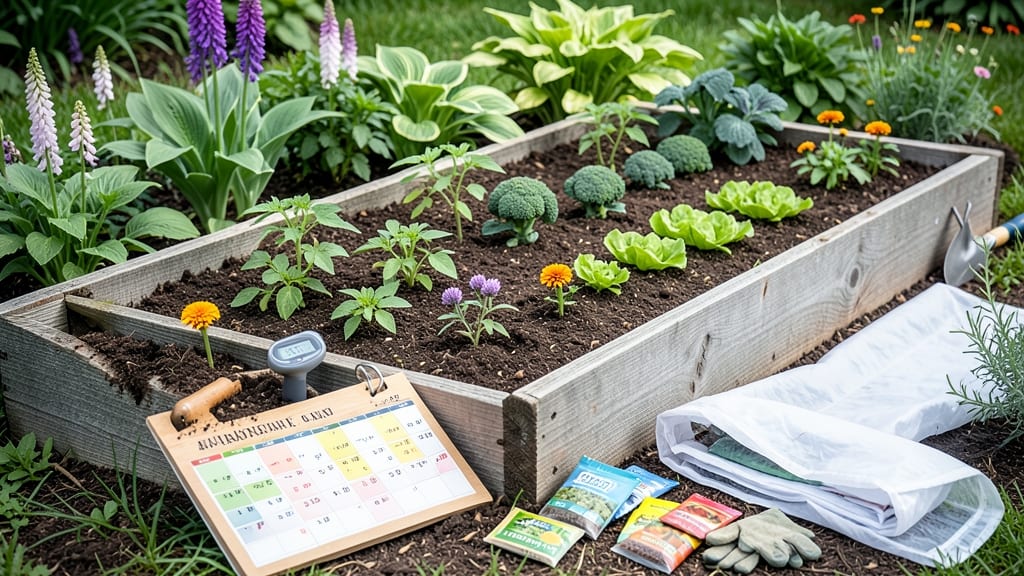
Timing when to plant a garden in Pennsylvania isn’t just about luck—it’s the difference between a thriving harvest and wasted seeds.
With frost dates shifting from April 15 in the north to late May in the south, knowing when to plant garden in Pennsylvania means avoiding those heartbreaking late-spring freezes or missing summer’s bounty.
I’ve tracked the 5b-7a zones across the state, and the secret lies in two simple rules: plant cool crops like spinach by mid-April, then wait until soil hits 50°F for tomatoes and peppers. But here’s the catch—Pennsylvania’s microclimates mean your neighbor’s perfect timing might not work for you.
This guide breaks down the exact windows for your county, whether you’re growing 🌱 General Garden Plants (Pennsylvania) in raised beds or urban containers. We’ll cover everything from frost-proofing strategies to adjusting for late summers—so you can finally stop guessing and start growing.
Ready to turn your garden dreams into reality? Let’s get you planting with confidence, no matter where you are in the Keystone State.
Pennsylvania’s frost-free dates by county: key planting windows explained
Pennsylvania’s planting schedule varies dramatically from the Poconos to Philadelphia, with USDA Zones 4-7 creating distinct microclimates.
The last spring frost typically arrives between April 15 (southern counties) and May 15 (northern highlands), while the first fall frost hits as early as September 20 in the mountains or as late as October 30 near the Delaware River.
For cool-season crops like spinach and peas, planting begins as early as March in Zone 6-7 (e.g., Chester County), while warm-season staples like tomatoes and peppers wait until after May 1 in colder regions (e.g., Erie County).
Understanding these frost-free windows ensures your garden thrives without wasted effort or lost harvests.
Below is a county-by-county breakdown of Pennsylvania’s frost dates, organized by USDA Zone. Use this as your planting timeline guide—adjusting for local microclimates (e.g., valleys vs. ridges) can add 1-2 weeks to your growing season.
Use this table to align your planting schedule with your county’s frost dates. For example, in Zone 5b (Poconos), cool-season crops like kale must be sown by July 10 to mature before frost, while tomatoes can’t go in until June 1 when soil warms to 60°F+.
In Zone 7a (Philadelphia), you gain an extra 4-6 weeks of growing time.
Pro tip: Check soil temperature with a soil thermometer—most warm-season crops need 60°F+ soil to thrive. In cooler zones, use black plastic mulch to warm soil 2-3 weeks faster.
For perennials and shrubs, plant in spring (April-May) when roots can establish before summer heat. Bulbs like tulips go in fall (October-November) to
Best planting calendar for Pennsylvania gardens: vegetables, flowers, and perennials
Timing your garden in Pennsylvania isn’t one-size-fits-all—some crops thrive when planted in early spring, while others need the warmth of late summer.
My garden calendar simplifies the process by breaking down monthly planting tasks for vegetables, flowers, and perennials, including succession planting tips to keep your harvests rolling all season long.
For cool-season crops like spinach and peas, I start sowing in March under row covers, while warm-season favorites like tomatoes and peppers wait until mid-May after the last frost.
Flowers and perennials often have broader windows, but timing still matters—planting dahlias too early risks frost damage, while black-eyed Susans can handle a later start.
📌 🌱 Key Takeaway: 📌 Spring (March–May): Focus on cool-season veggies and hardy perennials. 📌 Summer (June–July): Prioritize warm-season crops and annual flowers. 📌 Fall (August–September): Plant fast-maturing veggies for a second harvest.
- March: Spinach, peas, lettuce (under row covers); perennials like lavender and coneflowers.
- April: Potatoes, radishes, carrots; transplant broccoli and cabbage after frost risk passes.
- May: Tomatoes, peppers, cucumbers (after last frost); marigolds and zinnias for summer color.
- June: Succession plant beans, squash, basil; direct-sow sunflowers and cosmos.
- July: Late-season crops like bush beans or kale; divide perennials if overcrowded.
- August: Fall veggies (kale, carrots, radishes); plant bulbs like tulips for next spring.
- September: Hardy greens (spinach, arugula); cover perennials with mulch for winter.
💡 Pro Tip: Use succession planting for lettuce, radishes, and beans—sow every 2 weeks for continuous harvests!
Pennsylvania’s microclimates mean your valley gardens might have 2 weeks earlier planting windows than highland areas. For example, Lancaster County often sees last frosts by April 15, while Erie can wait until May 1.
Adjust by monitoring local weather and using frost-sensitive plants like tomatoes as your guide.
Don’t forget container gardening! Urban gardeners in Philadelphia or Pittsburgh can start herbs like basil indoors in February and transplant outdoors by May. Containers also let you extend the season—cover peppers with row fabric in September to delay harvests until October.
By following this calendar, you’ll avoid the common mistakes of planting too early (frost damage) or too late (missed harvests). Start with one section of your garden, test the timing, and adjust next year based on your successes—and failures!