
Plants
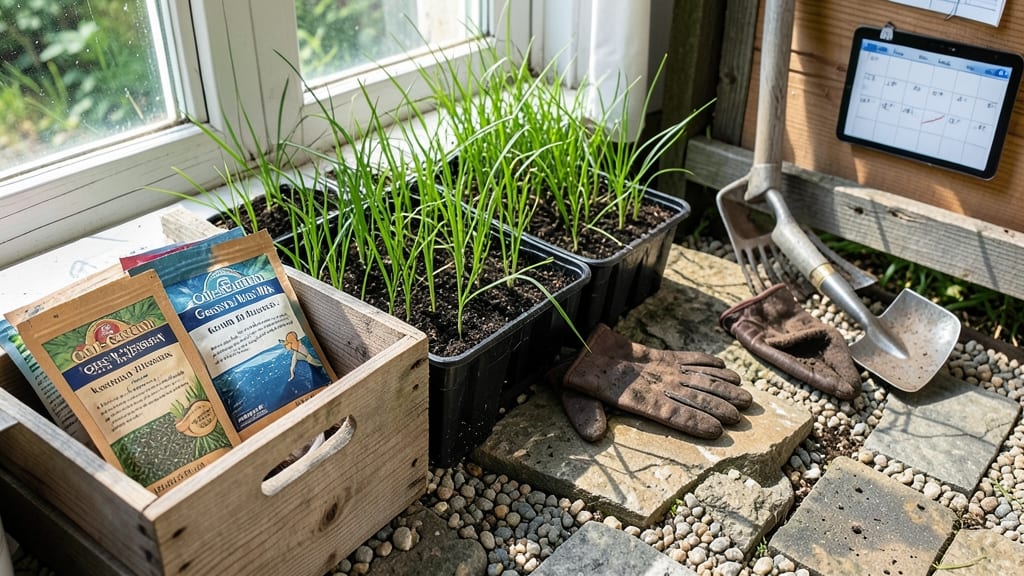
Planting grass at the wrong time in Pennsylvania can mean weak roots, patchy growth, and wasted effort—so knowing the exact window for your zone is critical for a lush, resilient lawn. With USDA zones 5b-7a offering two prime opportunities—early spring or early fall—timing matters more than you might think.
If you’ve ever stared at your lawn in frustration, wondering why it’s struggling, the answer might be as simple as when you planted it. Pennsylvania’s climate gives you a 6-week window in spring (March-April) and another in fall (September-October) to get it right.
Miss these, and you risk slow establishment or even failure.
Cool-season grasses like Kentucky bluegrass and fescue thrive in Pennsylvania’s climate, but they need the right conditions to take hold. That means avoiding the heat of summer or the frost of winter—both of which can stress young 🌱 turfgrass before it’s ready.
In this guide, I’ll break down the best planting dates for your specific zone, soil prep tips, and how to adjust for unpredictable weather. Let’s get your lawn off to the strongest start possible.
Pennsylvania grass planting dates by hardiness zone (2024 guide)
Pennsylvania spans USDA Zones 5b-7a, meaning your ideal grass planting window depends heavily on where you live. In Zone 5b (northern PA), frost lingers later, while Zone 7a (southern PA) enjoys earlier springs.
For a thriving lawn, timing isn't just about months—it's about soil temperature and frost risk. Planting too early risks frost damage, while waiting too long means summer heat stress.
Most Pennsylvania gardeners swear by fall planting (September-October) because cooler temps reduce stress, but early spring (March-April) works too. The key is planting 4-6 weeks before your last frost date or 4-6 weeks before your first frost date for fall.
For example, if your last frost is April 15, aim for early March. If your first frost is October 15, plant by early September.
Here’s how your hardiness zone affects your planting schedule:
| Zone | Last Frost Date | First Frost Date | Ideal Spring Planting | Ideal Fall Planting | Soil Temp Goal |
|---|---|---|---|---|---|
| 5b (Northern PA) | April 20-May 5 | October 10-20 | Late March-April 15 | Late August-September 10 | 55°F+ |
| 6a (Central PA) | April 10-20 | October 5-15 | Early March-April 10 | Early September-October 5 | 55°F+ |
| 7a (Southern PA) | March 25-April 10 | October 15-25 | Late February-March 20 | Late August-September 20 | 55°F+ |
Pro tip: Use a soil thermometer to confirm your soil is above 55°F before planting. Cool-season grasses like tall fescue and Kentucky bluegrass (common in PA) thrive when soil temps are ideal.
If you’re in doubt, err on the earlier side—grass planted in cooler soil establishes roots faster than in hot, dry conditions.
Adjust for microclimates too. Urban areas (like Philadelphia) may warm up faster than rural zones, while valleys can stay cooler longer. Check your local Cooperative Extension Service for hyper-local advice, especially if you’re near large bodies of water or at higher elevations.
For warm-season grasses (like Bermuda grass, less common in PA), plant in late spring (May-June) when soil temps hit 65°F+. But most PA lawns use cool-season varieties, so focus on the fall/spring windows above.
One more critical tip: Test your soil before planting. Pennsylvania’s soil is often acidic (pH 5.0-6.5), and grass prefers 6.0-7.0. Amend with lime if needed—this step alone can make or break your lawn’s success.
Finally, if you’re seeding (not sodding), choose early fall for the best results. Grass planted in September has 6-8 weeks of warm days and cool nights to establish deep roots before winter dormancy. Spring planting works, but summer heat can stress new seedlings.
Ready to plant? Grab your seed, soil thermometer, and lime—your perfect Pennsylvania lawn starts with the right timing!
How to choose between fall vs. spring planting in PA (pros & cons)
Pennsylvania gardeners often debate whether to plant grass in spring or fall, but the answer depends on your local microclimate and grass type. While both seasons work, fall planting dominates here because cooler temps and consistent moisture give seedlings a head start before winter dormancy.
Spring planting is riskier—unpredictable late frosts or summer heat can stress young grass. However, if you’re in a warmer southern PA zone (like Zone 7a), spring might be your only viable option due to earlier frost dates.
Let’s break down the pros and cons of each approach so you can decide what works best for your lawn.
Fall Planting
- ✅ Cooler temps reduce stress on seedlings
- ✅ More consistent moisture from fall rains
- ✅ Grass establishes roots before winter dormancy
- ✅ Fewer weeds compete in early fall
- ❌ Limited window—must plant before first frost
- ❌ Soil may harden if planted too late
Spring Planting
- ✅ Longer growing season before summer heat
- ✅ Better for warm-season grass varieties (though rare in PA)
- ❌ Late frosts can damage new growth
- ❌ Summer drought risks stress seedlings
- ❌ Weed competition peaks in spring
For most of Pennsylvania, fall planting (September-October) is the gold standard—especially for cool-season grasses like Kentucky bluegrass and tall fescue. These varieties thrive when established before winter, giving them a 30-50% stronger root system by spring.
If you’re in a warmer microclimate (e.g., near Pittsburgh or Philadelphia), you might squeeze in a late spring planting (May) with extra care—like mulching and frequent watering. But for rural or northern PA zones, stick to fall.
Pro tip: Test your soil temperature before planting—it should be between 55-65°F for optimal germination. Use a soil thermometer or check local weather alerts for updates.