
Plants
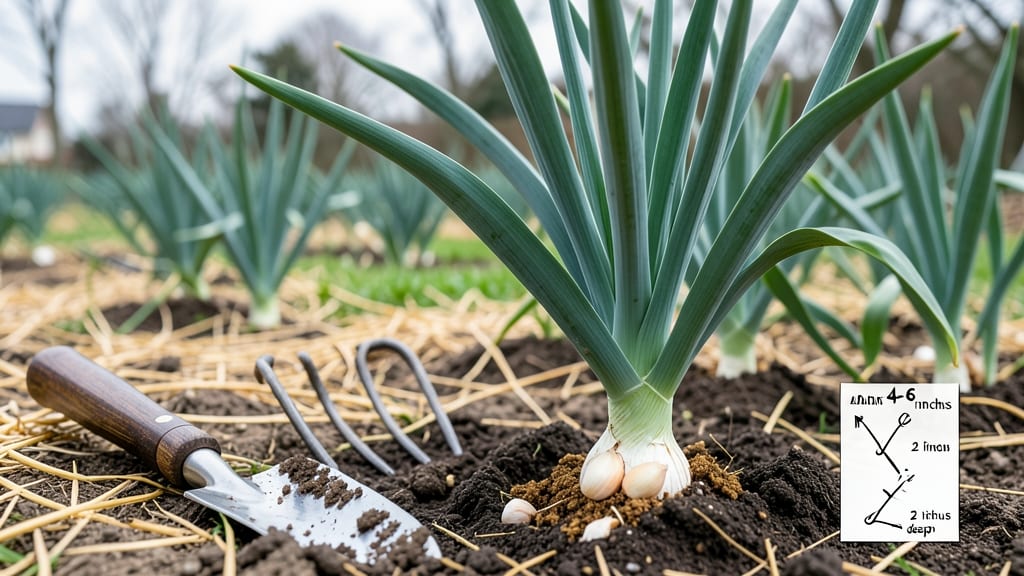
Knowing when to plant garlic in 6b is the secret to growing plump, flavorful bulbs that rival store-bought—without the hassle of last-minute scrambling. In Zone 6b, where winters can be unpredictable and springs bring sudden freezes, timing isn’t just important—it’s everything.
Most gardeners swear by fall planting for hardneck varieties like 🧄 Rocambole, but softneck types can sometimes slip in early spring. The key? Planting 4-6 weeks before your first frost—typically between mid-October and early November in 6b—gives roots time to establish before winter dormancy kicks in.
Here’s the game-changer: even if you miss the fall window, late-winter planting (February) can still work for softneck garlic, though hardnecks will bolt prematurely.
I’ll break down the exact deadlines, soil prep secrets, and how to adjust for your region’s quirks—whether you’re in the Midwest’s windy plains or the Northeast’s frosty hills.
Ready to transform your garden into a garlic powerhouse? Let’s dive into the climate-proof timeline that’ll have you harvesting bold, paper-skinned bulbs by late summer—no guesswork required.
Optimal planting windows for hardneck vs. softneck garlic in Zone 6b
In Zone 6b, garlic thrives when planted during the ideal window of mid-October to early November—this timing ensures bulbs establish roots before winter while avoiding late-season bolting.
The key difference between hardneck and softneck varieties lies in their cold requirements: hardnecks need 40–60 days below 40°F, while softnecks tolerate milder winters but still prefer cooler dormancy.
For hardneck garlic (like Music or German White), aim to plant 4–6 weeks before your first hard frost—typically by November 1 in most of Zone 6b. Soil temps should hover around 50–60°F for optimal root growth.
Softnecks (e.g., Silverskin) can stretch the window slightly, allowing planting until early December, but they risk smaller bulbs if winter arrives too early.
Miss the fall window? You can try late-winter planting (February) for a summer harvest, but bulbs will be smaller. This method works best in warmer microclimates within Zone 6b, like protected garden beds or greenhouses.
🌱
| Variety | Ideal Planting Window | Cold Requirement | Zone 6b Risk |
|---|---|---|---|
| Hardneck (e.g., Rocambole, Purple Stripe) | Mid-October to early November | 40–60 days below 40°F | Bolting if planted too late |
| Softneck (e.g., Silverskin, Artichoke) | October to early December | Milder winters (tolerates 30°F) | Smaller bulbs if winter arrives early |
| Both Types | Avoid planting after December | Soil temp: 50–60°F | Frost heaving if soil is frozen |
📅 Pro Tip: Use a soil thermometer to confirm temps before planting.
Zone 6b’s unpredictable spring freezes (common in March) can disrupt garlic’s growth cycle if planted too late. To hedge your bets, stagger plantings in two-week intervals—this spreads out harvest times and reduces risk. For example, plant half your cloves in late October and the rest in early November.
Soil preparation is equally critical. Amend beds with compost and aged manure in September to ensure nitrogen is available when roots sprout. A pH of 6.0–7.0 is ideal—test your soil and adjust with lime if needed. Hardnecks, in particular, benefit from well-draining soil to prevent rot during winter thaw cycles.
Hardnecks also produce scape shoots in spring—these should be removed promptly to redirect energy to bulb development. Softnecks, meanwhile, prioritize longer storage life and can handle slightly poorer soil conditions, making them a safer bet for beginners in Zone 6b’s variable climate.
🌿
If you’re in the northern edge of Zone 6b (e.g., upstate New York), err on the earlier side (by October 15). For the southern edge (e.g., northern Virginia), you can push planting to mid-November—just monitor local frost dates via the National Weather Service or Old Farmer’s Almanac.
Finally, mulch heavily (4–6 inches of straw or leaves) after planting to insulate bulbs from freeze-thaw cycles, which cause heaving. This simple step can double your harvest success in Zone 6b’s challenging winters.
Zone 6b-specific risks & how to adjust your planting schedule
Zone 6b’s unpredictable climate—think late spring freezes, winter heaving, or summer droughts—can sabotage even the most well-timed garlic planting. Unlike milder zones, garlic here faces 3 critical risks: premature bolting, frost damage to emerging shoots, and soil moisture extremes. Let’s tackle these head-on with practical adjustments.
First, the biggest threat is planting too late in fall, leaving garlic vulnerable to winter heaving—when bulbs push up through frozen soil. In Zone 6b, aim to plant by November 15 at the latest, giving roots time to establish before ground freezes.
If you miss this window, consider a late-winter planting (February) for hardnecks, though softnecks struggle in this approach.
⚠️ Zone 6b Warning:
Bolting risk: If garlic sprouts too early (before April 15), it may bolt—sending up a flower stalk—due to cold stress. Use row covers in late winter to delay growth until soil warms to 40°F+.
Heaving fix: Mulch with 6+ inches of straw after planting to insulate bulbs and prevent frost push-up.
For summer droughts, a common issue in Zone 6b, prioritize deep watering every 7–10 days once shoots emerge. Let soil dry slightly between waterings to prevent rot, but never let it bake hard.
Drip irrigation or soaker hoses work best—avoid overhead watering, which can spread fungal diseases like white rot.
If your Zone 6b area experiences unpredictable spring freezes (like late April drops below 32°F), stagger your planting. Divide cloves into two batches: plant 50% in early October and the rest in mid-November. This spreads harvest timing and reduces losses from late frost damage to emerging shoots.
Finally, soil temperature is your secret weapon. Use a soil thermometer to confirm 40–50°F soil before planting—cold soil delays root growth. If temps run below 35°F, wait 1–2 weeks or use black plastic mulch to warm the soil faster.
By adjusting for these Zone 6b quirks—mulching, staggered planting, and soil checks—you’ll turn climate challenges into a harvest guarantee. Even a 5°F swing can shift your garlic’s timeline, so stay flexible and watch the weather! 🌡️