
Plants
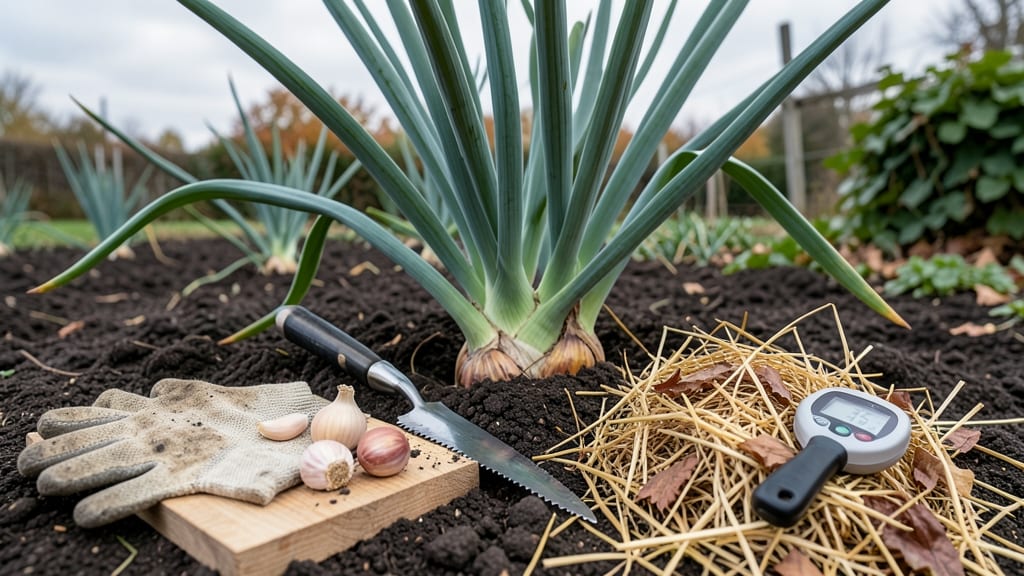
If you've ever wondered when to plant garlic in Vermont, the answer isn't just about the calendar—it's about outsmarting Vermont's unpredictable frost dates to grow bulbs that'll make your neighbors green with envy.
The mid-to-late fall window (October to November) is your golden ticket, but timing it right means the difference between dinner-table garlic and grocery-store disappointment.
Here's the secret: Vermont's USDA Zone 5b-6a climate demands precision. Plant too early, and your cloves might sprout before winter; too late, and they'll struggle to establish roots before the ground freezes.
I'll show you exactly how to read your local frost dates and adjust your planting schedule for maximum hardneck garlic success—whether you're in Burlington's valleys or the higher elevations near Stowe.
Why does this matter? Because hardneck varieties (like German White or Music) need that cold period to develop their signature flavor and bulb size. We're talking plump, flavorful garlic that stores perfectly through winter—something every Vermont gardener should experience.
Let's break down the exact steps to get your garlic in the ground at the perfect moment.
You'll learn how to prepare your soil, choose the right varieties for your microclimate, and even troubleshoot common Vermont mistakes that kill yields. By the end, you'll have a garlic-growing plan so foolproof, you'll be sharing cloves (and bragging rights) with everyone at the farmers' market.
Vermont garlic planting calendar: exact frost dates by variety
Vermont’s USDA Zone 3-4 climate demands precision when planting hardneck garlic. The key? Planting 4-6 weeks before ground freeze—typically between mid-October and mid-November. But not all varieties thrive on the same schedule, and Vermont’s microclimates add another layer of complexity.
Let’s break down the best timing for your favorite hardneck types.
For German White and Music—Vermont’s top performers—aim for early October in warmer valleys like Burlington or Rutland. These varieties need 120-150 frost-free days to develop plump bulbs. In colder high-elevation areas like Stowe or Jay Peak, push planting to late October to avoid winter heaving.
Silverskin garlic, like 'Ajo Rojo', is more cold-tolerant and can handle later plantings into November. However, planting too late (after November 15) risks stunted growth or small cloves. Use a soil thermometer to confirm temperatures are below 40°F before calling it quits.
Here’s your Vermont garlic planting timeline, tailored to the most popular hardneck varieties and regional frost averages:
| Variety | Best Planting Window | Frost-Free Days Needed | Vermont Region Notes |
|---|---|---|---|
| German White | Mid-October to early November | 140-160 days | Valleys: Oct 10-20; Mountains: Oct 25-Nov 5 |
| Music | Early October to mid-November | 130-150 days | Best for storage; plant early for larger bulbs |
| Silverskin (Ajo Rojo) | Late October to early December | 120-140 days | Cold-hardy; can handle late plantings |
| Chesnok Red | Mid-October to late November | 150-170 days | Needs extra mulch in high elevations |
🌱 Pro Tip: Use local frost date averages from the Vermont Weather Underground for your specific town.
If you’re planting for a spring harvest (e.g., green garlic in May), you can push the window to late November, but bulbs will be smaller. For summer storage, prioritize early October plantings—these bulbs cure better and last longer.
One critical Vermont-specific tip: Use straw mulch (not leaves) to insulate garlic beds. Straw traps heat and prevents winter heaving, which is especially problematic in freeze-thaw cycles common in Burlington or Montpelier. Apply 4-6 inches after planting and top up in January if snow cover is light.
For gardeners in Zone 4a (e.g., Barre or St. Johnsbury), add 2-3 weeks to the recommended windows. Check soil temperatures with a probe—garlic roots need 40-50°F to establish before dormancy. If temps drop below 32°F before roots form, bulbs may fail to develop.
Remember, Vermont’s frost dates shift yearly. Bookmark the Vermont State Climate Office for real-time updates, and consider planting a test row in early October if you’re unsure. With the right timing, you’ll harvest jewel-sized bulbs that’ll have your neighbors begging for cloves! 🧄
How to adjust planting time for Vermont’s microclimates
Vermont’s rolling terrain creates dramatic differences in frost dates—just 50 miles can mean 3 weeks earlier snow cover. High-elevation spots like Stowe (Zone 3) often freeze by October 20, while Burlington’s valley floors may stay workable until November 10.
Adjust your timing accordingly to avoid small, underdeveloped bulbs.
For mountain regions, aim to plant by September 20—earlier than valley areas—to give roots time to establish before winter. Use a soil thermometer (target 40°F) to confirm readiness, especially in late-settling microclimates like Rutland.
In warmer valleys, wait until mid-October for ideal 60-day cold stratification.
Snow cover is your secret weapon in Vermont. Areas with consistent snowpack (e.g., Jay Peak) can plant 2 weeks later—the snow acts as insulation. Test by pushing a broadfork into the soil; if it’s firm but not frozen, it’s safe to plant.
In snow-scarce zones, mulch with 12+ inches of straw to mimic winter protection.
Spring harvests? Plant ‘German White’ or ‘Music’ by December 1 for early June harvests. Use low tunnels in Zone 3 to prevent spring heaving. For summer storage, stick to October planting—these bulbs mature 2 weeks later but store 3 months longer.
Pro tip: Mark your planting dates on a farm calendar and adjust yearly based on Vermont State Climate Office frost data. A 5-year average smooths out unpredictable winters. For example, 2020’s late frost delayed planting by 3 weeks in Stowe—but bulbs still thrived with extra mulch.
Remember, Vermont’s microclimates reward patience. A well-timed planting in Rutland’s valley can yield 2x larger bulbs than a rushed attempt in Jay Peak’s high country. Start with small test plots to refine your local timing—your future garlic braids will thank you. 🌱