
Plants
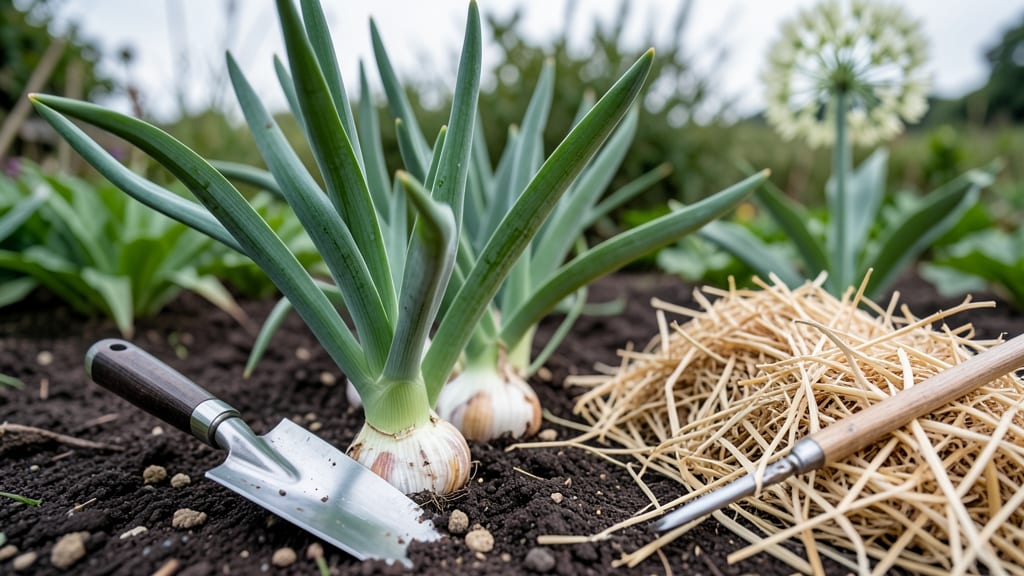
Planting garlic in Denver at the wrong time can turn your 🧄 harvest into a gamble—one frost too early, and your cloves rot; too late, and you’ll miss the sweet spot for plump bulbs.
But here’s the secret: Denver’s Zone 6a climate actually works in your favor if you know the exact timing for hardneck vs. softneck varieties.
Most gardeners in Denver swear by fall planting between October and November, but the real trick lies in reading your microclimate. Whether you’re in a high-altitude neighborhood or a sheltered urban pocket, the 40–50°F soil threshold is your golden rule—not the calendar.
I’ll break down how to sync your planting with Denver’s frost patterns so your garlic thrives.
You might think all garlic is the same, but hardneck varieties (like Rocambole) need that cold snap to form bulbs, while softnecks (like Artichoke) play it safer. The difference can mean the gap between a mediocre harvest and a pantry-full of flavor-packed cloves.
Let’s cut through the guesswork and get your garlic in the ground at the perfect moment.
Ready to avoid the common mistakes that leave Denver gardeners scratching their heads in June? I’ll walk you through the 5 critical adjustments—from soil prep to frost-proofing—that’ll give you garlic so robust, you’ll forget you live in a city with unpredictable weather. Let’s dig in.
Denver’s ideal garlic planting window: hardneck vs softneck frost timing
Denver’s USDA Zone 5b/6a climate demands precision when planting garlic. The best window for hardneck varieties (like ‘German Red’ or ‘Music’) is mid-October to early November, while softneck varieties (like ‘Artichoke’) thrive when planted by late October.
This timing ensures cloves establish roots before soil temperatures drop below 40°F, which halts growth.
Hardneck garlic needs 6–8 weeks of cold exposure to form bulbs, so planting in October aligns with Denver’s average first frost (October 15). Softneck varieties, however, are more flexible and can handle slightly later planting, though they may produce smaller bulbs if planted after November 1.
Always aim to plant 4–6 weeks before the ground freezes.
Soil temperature is your best indicator. Use a soil thermometer to confirm temperatures are between 40–50°F—ideal for root establishment.
In Denver, this typically occurs in late September to early October, but elevation differences (e.g., 5,280 ft vs. 7,000+ ft) can shift this window by 1–2 weeks.
Denver’s microclimates also play a role. Urban areas like Downtown or Capitol Hill may experience earlier frosts due to heat islands, while suburban neighborhoods like Arvada or Lakewood might have 1–2 weeks longer to plant. Adjust your timeline based on your specific location’s frost history.
For zero-frost survival, mulch heavily with straw or leaves (4–6 inches) after planting. This insulates cloves from temperature swings and prevents frost heave, where freezing/thawing cycles push bulbs out of the soil. In harsh winters, consider using row covers for added protection.
If you’re unsure about your local frost dates, check Colorado State University’s frost calendar or use the National Weather Service’s 10-day forecast. For high-elevation areas (e.g., Boulder or Evergreen), plant 2 weeks earlier to account for colder soil.
Conversely, low-lying areas like Denver International Airport may allow 1–2 weeks later planting.
Pro tip: Plant hardneck garlic in raised beds if your yard has poor drainage. Raised beds warm up faster in spring and drain excess moisture, reducing the risk of rot.
Add compost or aged manure to the soil before planting to improve nutrient density, which is critical for bulb development.
For extended harvest windows, stagger planting by 2–3 weeks. For example, plant half your hardneck garlic in late October and the other half in early November. This ensures a gradual harvest from June to July instead of a single 2-week window.
Remember: Garlic planted in fall is a long-game investment. The bulbs you plant in October won’t be ready to harvest until next summer, but the flavor and size will be far superior to spring-planted garlic. Patience pays off with plump, flavorful cloves!
Denver’s ideal garlic planting window: hardneck vs softneck frost timing
Denver’s USDA Zone 5b-6a climate creates a unique challenge for garlic growers—hardneck varieties thrive in cold winters, while softneck types prefer milder conditions. The key is planting 4-6 weeks before the first hard frost (typically by October 15), but timing shifts based on your garlic type and microclimate.
For hardneck garlic (like ‘German Red’ or ‘Music’), aim for mid-October to early November. These varieties need cold exposure to form bulbs, and Denver’s winters provide perfect conditions. Softneck garlic (such as ‘Artichoke’), however, should go in by late September to mid-October to avoid winter damage.
Here’s how Denver’s average frost dates break down for garlic planting:
| Garlic Type | Ideal Planting Window | Soil Temp Threshold | Key Consideration |
|---|---|---|---|
| Hardneck | Mid-October – Early November | 40–50°F | Needs cold vernalization for bulb formation |
| Softneck | Late September – Mid-October | 45–55°F | More frost-sensitive; plant earlier |
🌡️ Pro Tip: Use a soil thermometer to confirm temps—garlic roots need consistent 40–50°F to establish.
Denver’s elevation (5,280 ft) and dry air can make soil freeze faster than lower-altitude areas. If your yard is urban and heat-retaining (like near pavement), you might push planting to early November. Conversely, rural or high-elevation spots (above 6,000 ft) may need earlier planting by late September.
One game-changer for Denver growers is staggered planting. Plant half your cloves in mid-October and the other half in early November to extend your harvest window from June to July. This works especially well for hardneck varieties, which produce scape shoots (edible stems) in late spring.
Remember: Garlic planted too early risks rot from excess moisture, while delaying past November may result in small, underdeveloped bulbs. Use mulch (straw or leaves) to insulate soil and protect cloves from frost heave—a common issue in Denver’s freeze-thaw cycles.