
Plants
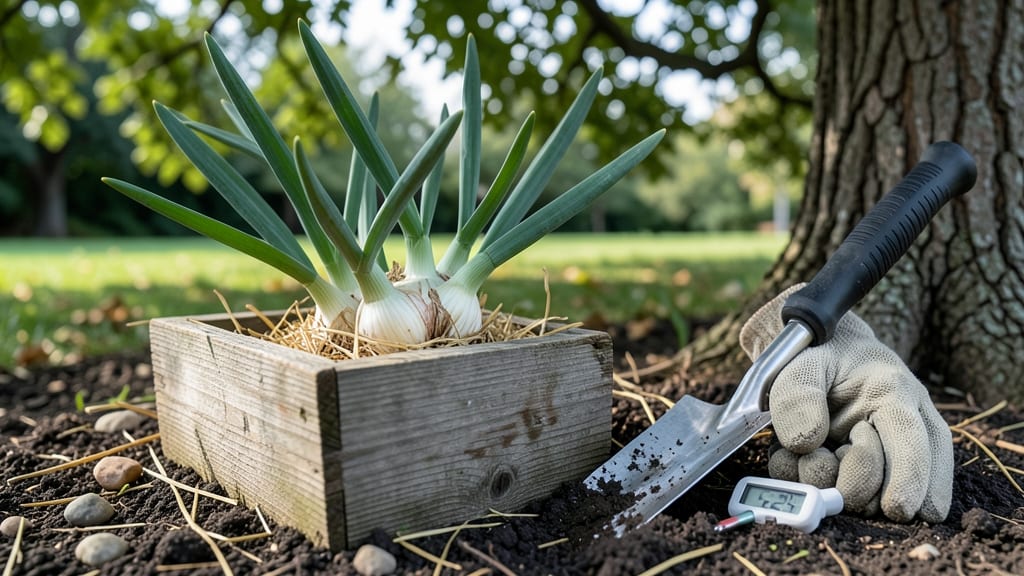
Best fall planting deadline for Tennessee garlic (hardneck varieties)
Tennessee’s USDA zones 6b–7a create the perfect conditions for growing hardneck garlic, but timing is critical. Plant too early, and your cloves may rot in warm soil; too late, and they won’t establish roots before winter.
The ideal window is mid-October to early November, when soil temperatures drop below 70°F (21°C) but before the ground freezes.
For East Tennessee (Zone 6b), aim for October 15–November 1. In Middle Tennessee (Zone 7a), you have until November 15. West Tennessee (Zone 7b) gardeners can push it to December 1, but avoid planting after the first frost.
The goal is to give roots 4–6 weeks to establish before dormancy.
Hardneck garlic needs cold vernalization—a period of cold to form bulbs. Tennessee’s winters provide this naturally, but early frosts (common in Zone 6b) can stress young plants. Use row covers if temperatures dip below 20°F (-7°C) before planting.
Missed the fall window? You can plant spring garlic in February–early March, but bulbs will be smaller and less flavorful. Spring-planted garlic skips vernalization, resulting in scapes (flower stalks) instead of full bulbs.
Here’s how to adjust for Tennessee’s regional frost dates:
| Region | USDA Zone | Best Planting Window | Last Frost Date | Key Adjustment |
|---|---|---|---|---|
| East TN | 6b | Oct 15–Nov 1 | Nov 15 | Use row covers if frost arrives early |
| Middle TN | 7a | Oct 20–Nov 15 | Dec 1 | Plant closer to Nov 15 for larger bulbs |
| West TN | 7b | Oct 25–Dec 1 | Dec 15 | Avoid planting after Dec 1 |
Always plant whole cloves (not chopped garlic) with the pointed end up, 2–4 inches deep, and 4–6 inches apart. Tennessee’s clay-heavy soils in some areas may require amending with compost or sand to improve drainage. Mulch with straw or leaves after planting to insulate roots during winter.
Pro tip: Hardneck varieties like ‘Music’ or ‘German White’ thrive in Tennessee’s climate. Avoid softneck garlic, which prefers milder winters and won’t bulb properly in our frosty zones. Check the paper skin on cloves—it should be tight and papery, not loose or shriveled.
If you plant by November 15, your garlic will be ready for late June–July harvest, just in time for summer cooking. Miss this window, and you’ll likely end up with small, pungent scapes instead of plump bulbs.
🌱
Best fall planting deadline for Tennessee garlic (hardneck varieties)
Tennessee’s USDA Zones 6b–7a create a perfect window for hardneck garlic—but timing is critical. Plant too early, and your cloves may rot; too late, and they’ll bolt prematurely. The ideal planting window is mid-October to early November, giving roots time to establish before winter’s chill sets in.
For East Tennessee (Zone 6b), aim for October 15–30—soil temps should drop below 50°F (10°C) by late November. In Middle Tennessee (Zone 7a), stretch your deadline to November 1–15, while West Tennessee (Zone 7b+) gardeners can plant until November 20.
Use this summary table to pinpoint your region’s exact deadline and adjust for early/late frosts:
Pro Tip: Check your local frost dates (e.g., Old Farmer’s Almanac) and plant 4–6 weeks before the first hard frost. For example, if frost hits November 20, plant by October 15.
Hardneck garlic needs cold stratification to form bulbs, so avoid spring planting unless you’re growing for green garlic. Spring-planted garlic (February–March) often bolts prematurely in Tennessee’s warm winters.
After planting, mulch heavily (4–6 inches of straw) to protect cloves from freeze-thaw cycles—a common issue in Tennessee’s Zone 6b–7a winters. This insulation also prevents soil heaving, which can expose and damage roots.
🌱