
Plants
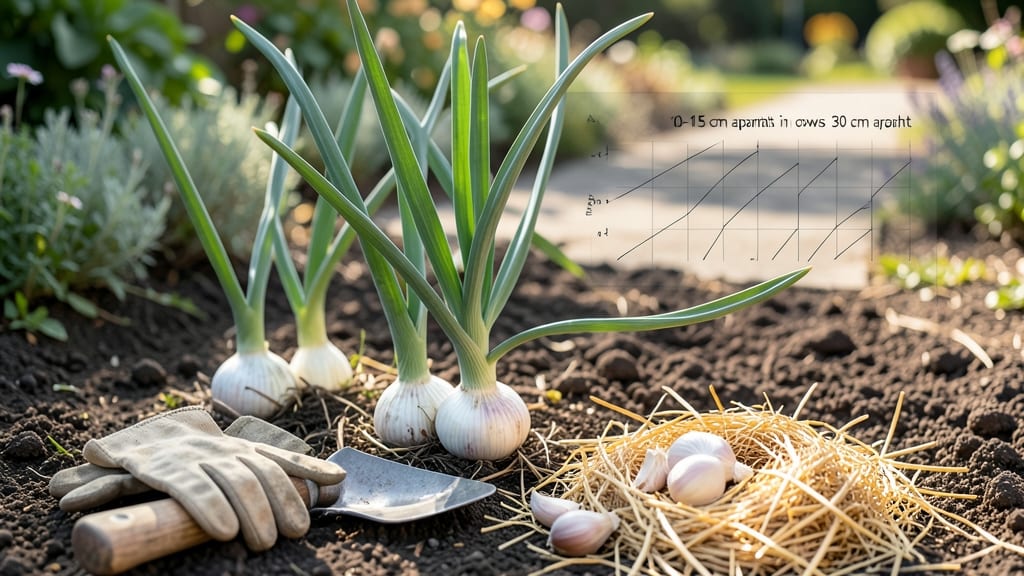
Planting garlic at the wrong time in Virginia can turn your 🧄 dreams into disappointment—but getting the timing right is the secret to those bold, flavorful bulbs you crave.
With Virginia’s 7a zone climate, the ideal window for planting is short and sweet: late October through November, when soil temps drop but frost hasn’t yet set in.
Why does timing matter so much? Because garlic needs a long, cold winter to form strong bulbs, and planting too early or late throws off that delicate balance.
In Virginia, where winters can be mild or harsh depending on the year, knowing exactly when to tuck those cloves into the soil is the difference between a bountiful harvest and a flop.
I’ve grown garlic in Virginia for years, and I’ll show you exactly how to nail the planting window—plus how to adjust if Mother Nature throws you a curveball.
Whether you’re a first-timer or a seasoned gardener, these tips will help you grow garlic that’s plump, hardy, and ready for harvest by late June.
Let’s dive into the perfect planting schedule, soil prep secrets, and how to handle Virginia’s unpredictable weather for garlic that’ll make your kitchen sing.
Virginia hardiness zones and ideal garlic planting months
Virginia’s diverse climate—spanning USDA zones 5 through 8—means garlic planting times vary dramatically. In zone 5 (e.g., Shenandoah Valley), you’ll plant garlic in late October to early November to ensure it establishes roots before winter.
Meanwhile, in zone 8 (e.g., Norfolk), you have until mid-November before the ground freezes. The key is planting 4-6 weeks before the first hard frost, when soil temperatures drop to 40-50°F.
Garlic thrives on cold winters to form bulbs, so fall planting is non-negotiable for Virginia gardeners. Hardneck varieties (like Silverskin or Rocambole) need 20-30 days of winter chill, while softneck types (like Artichoke) tolerate milder winters.
If you miss the fall window, spring planting is possible but yields smaller bulbs and requires extra care to prevent bolting.
Here’s how Virginia’s zones break down for garlic planting:
| Zone | Ideal Planting Window | First Frost Date | Soil Temp Goal | Best Varieties |
|---|---|---|---|---|
| 5 (e.g., Roanoke) | Late October | Nov 1-15 | 40-50°F | Hardneck (Silverskin, Rocambole) |
| 6 (e.g., Richmond) | Mid-October to early November | Nov 15-30 | 45-55°F | Hardneck or Softneck |
| 7 (e.g., Charlottesville) | Early to mid-November | Dec 1-15 | 50-60°F | Softneck (Artichoke) |
| 8 (e.g., Virginia Beach) | Mid-November | Dec 15-31 | 55-65°F | Softneck or Elephant |
In zone 5, where winters are harsh, aim for October 15-31 to give garlic time to root before the ground freezes solid. For zone 8, you can stretch planting into early December, but avoid waiting too late—soil temps below 40°F stunt root growth.
Use a soil thermometer to confirm readiness; garlic cloves need 40-50°F soil for optimal sprouting.
One common mistake is planting too early. If you plant in September, garlic may sprout and get damaged by early frost before winterizing. Conversely, planting in December risks cloves rotting in cold, saturated soil. The 4-6 week window before frost is your sweet spot for bulb development.
Virginia’s microclimates add another layer of complexity. Coastal areas (like Norfolk) have milder winters, while inland valleys (like Shenandoah) experience 20°F drops. Adjust your planting date 1-2 weeks earlier in colder microclimates and 1-2 weeks later in warmer pockets.
For example, Blacksburg (zone 6b) should plant by November 1, while Williamsburg (zone 7b) can wait until November 15.
Pro tip: Use local frost date averages from the Virginia State Climate Office as your guide. For instance, Richmond’s average first frost is November 15, so plant garlic by October 31. In Lynchburg (zone 7a), where frost arrives November 20, you have until November 10.
Hardneck varieties like German Red or Music are ideal for zones 5-6, while softneck types (e.g., California Early) suit zones 7-8. If you’re unsure, Silverskin garlic is a versatile choice for most of Virginia.
Always buy certified organic seed garlic from reputable suppliers to avoid diseases like white rot.
Finally, remember that garlic planted in fall
Virginia hardiness zones and ideal garlic planting months
Virginia’s diverse climate zones (5-8) create unique challenges for garlic growers. Unlike spring-planted crops, garlic thrives when planted in late fall—but timing varies by zone.
In Zone 7a (common in Richmond and Charlottesville), aim for mid-October to early November, while gardeners in Zone 5 (northern VA) should plant by late September to avoid winter heaving. Southern Virginia’s Zone 8 offers flexibility until mid-November, but don’t wait too long.
The key is planting 4-6 weeks before ground freezes. For Virginia, this means soil temps should drop to 40-50°F at planting time.
Hardneck varieties (like Silverskin) handle colder winters better than softnecks (like Artichoke), making them ideal for Zones 5-6. Frost cycles trigger bulb formation—without freezing, garlic won’t develop properly.
🌱
| Zone | Ideal Planting Window | Best Varieties | Soil Temp at Planting |
|---|---|---|---|
| 5 (NW VA) | Late Sept–Oct 15 | Hardneck (Music, German Red) | 40–50°F |
| 6 (Central VA) | Oct 1–Nov 1 | Hardneck (Silverskin, Rocambole) | 45–55°F |
| 7a (Richmond) | Mid-Oct–Nov 10 | Softneck (California Early) or Hardneck | 50–60°F |
| 8 (Southeast VA) | Oct–Nov 15 | Softneck (Artichoke) or Elephant Garlic | 55–65°F |
In Zone 7a, where I garden, I’ve found that planting Silverskin garlic in early November yields the largest bulbs. The first frost (around November 15) signals it’s time to cover beds with 4–6 inches of straw mulch to protect cloves through winter.
Avoid planting after November 20—garlic needs 60+ days of cold to form bulbs properly.
Pro tip: Use a soil thermometer to confirm temps. If your zone’s average first frost is late (like Zone 8’s December 1), you can push planting to mid-November. Just monitor weather forecasts—unexpected early freezes can damage young cloves.
For Zone 5 gardeners, prioritize hardneck varieties like German Red, which tolerate colder winters. In Zone 8, softnecks like Artichoke thrive but may need light winter protection if temps dip below 20°F. Always adjust for microclimates—sheltered spots may stay warmer than open areas.
🌿