
Companion Plants
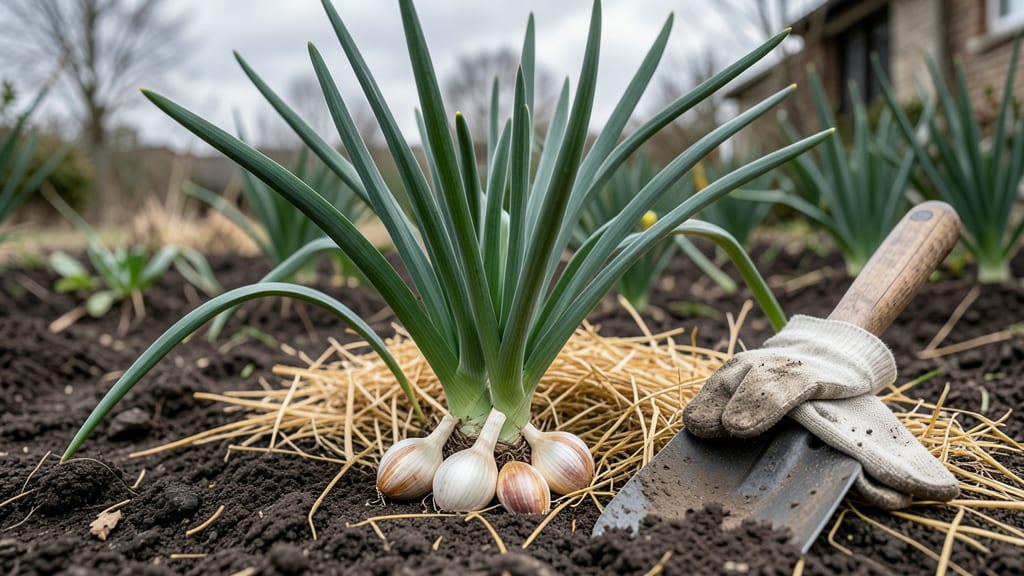
Timing your garlic planting just right in Western Pennsylvania could mean the difference between a bumper crop of flavorful bulbs and a disappointing harvest. With its unique microclimates—from Pittsburgh’s urban warmth to the cooler Appalachian foothills—knowing when to plant 🧄 is everything.
Most gardeners here swear by planting in October or November, but that’s not a one-size-fits-all rule. The key is getting your cloves in the ground 4-6 weeks before the first hard frost, which in Zone 6a typically hits around mid-November.
Plant too early, and your garlic might bolt; too late, and frost damage could ruin your crop.
Whether you’re growing hardneck varieties like ‘Music’ or softer types, the right timing ensures strong root development over winter. I’ll break down the exact window for your specific microclimate—plus soil prep tips to give your garlic the best start possible.
Ready to grow the biggest, boldest garlic in Western PA? Let’s dive into the science-backed schedule that’ll have you harvesting plump bulbs by late June or July.
Western PA garlic planting dates by microclimate Zone (with frost-free guarantees)
Garlic thrives in Western Pennsylvania’s cool climate, but the 3 distinct microclimates create wildly different planting windows. Pittsburgh’s urban areas (Zone 6b) often see earlier frosts than the rural Allegheny Plateau (Zone 5b).
To avoid frost damage, time your planting based on your specific zone—and don’t rely on the calendar alone.
Hardneck varieties (like ‘Music’ or ‘German White’) dominate in Western PA because they require cold vernalization to form bulbs. Softneck types (like ‘Silverskin’) can work but struggle with late-spring frosts. For best results, plant 4-6 weeks before the ground freezes, typically between mid-October and November.
Here’s the breakdown by zone, including soil temperature thresholds and local frost data from the NWS Pittsburgh:
| Zone | Avg. First Frost | Ideal Planting Window | Soil Temp. Threshold | Best Varieties |
|---|---|---|---|---|
| Pittsburgh Lowlands (Zone 6b) | Mid-October | Late October – Early November | 45–50°F | Music, German White, Chesnok Red |
| Laurel Highlands (Zone 5b-6a) | Early October | Early October – Mid-November | 40–45°F | German Red, Silverwhite, Rocambole |
| Allegheny Plateau (Zone 5a) | Late September | Mid-September – Early November | 35–40°F | German White, Purple Stripe, Inchelium Red |
Spring planting is risky in Western PA due to late frosts, but if you miss fall, plant in early March when soil temps hit 40°F.
Use row covers to protect seedlings until mid-April. For urban gardeners in Pittsburgh, heat islands can delay frosts—check local NWS alerts for real-time updates.
Pro tip: Use a soil thermometer to confirm readiness. Garlic cloves need consistent temps below 50°F for 6-8 weeks to form bulbs properly. If your soil stays warm, delay planting until temps drop naturally.
Hardneck garlic (the best choice for PA) produces scape shoots in spring—a sign of healthy growth. Softneck types may bolt prematurely in Zone 6b’s warmer pockets, like downtown Pittsburgh. Always opt for cold-hardy varieties from local suppliers.
For container gardening, plant in deep pots (12"+ depth) and use well-draining soil. Containers warm up faster, so plant 2 weeks earlier than in-ground garlic to compensate. Add compost to insulate roots from temperature swings.
Missed the fall window? Don’t panic. Spring-planted garlic still yields edible green shoots (harvest leaves when 6–8 inches tall) and smaller bulbs. Just avoid planting after April 15, or you’ll risk bolting before harvest.
🌱
How to adjust your planting schedule for Western PA’s unpredictable weather
Western PA’s microclimates can shift planting windows by weeks—even within the same county. For example, Pittsburgh’s urban areas may stay 5°F warmer than rural Allegheny County, delaying frost. Use these strategies to fine-tune your schedule and protect your garlic from late-season surprises.
Start by checking the National Weather Service Pittsburgh alerts for your specific area. Their first-frost dates often arrive earlier than general USDA Zone 6a averages. If you’re in the Laurel Highlands, expect frost 2-3 weeks sooner than in Pittsburgh’s downtown core.
🌱 Visual Element: Numbered Highlights 🌱
- Soil Temperature Test
Use a soil thermometer to confirm 40-50°F soil temps before planting. In Western PA, this typically aligns with mid-October but can vary by 1-2 weeks.
- Mulch Layering
Apply 6 inches of straw mulch after planting to insulate bulbs. In Zone 6a, this can push back frost damage by 3-4 weeks.
- Row Orientation
Plant garlic in east-west rows to maximize sun exposure. This helps hardneck varieties like ‘Music’ develop larger cloves despite shorter growing seasons.
- Frost-Cloth Backup
Keep frost cloth on hand for unpredictable thaws. A single layer can protect garlic through 20°F temps.
- Spring Planting Fallback
If fall planting fails, spring-plant garlic by March 15 (for hardneck varieties). Expect smaller bulbs but still edible.
For urban gardeners, heat islands can create false confidence. Monitor your garden’s microclimate by placing a minimum-maximum thermometer near your planting area. If your soil stays above 50°F past November 15, delay planting until December 1 to avoid premature sprouting.
If you’re in the Allegheny Plateau, where cold air pools in valleys, plant garlic on south-facing slopes to capture extra warmth. Even a 5°F difference can mean the difference between successful bulb formation and frost-heaved cloves.
Pro tip: Use garlic planted in containers to move to a sheltered spot if frost warnings appear. A garage or cold frame can extend your planting window by 2-3 weeks in early fall.