
Plants
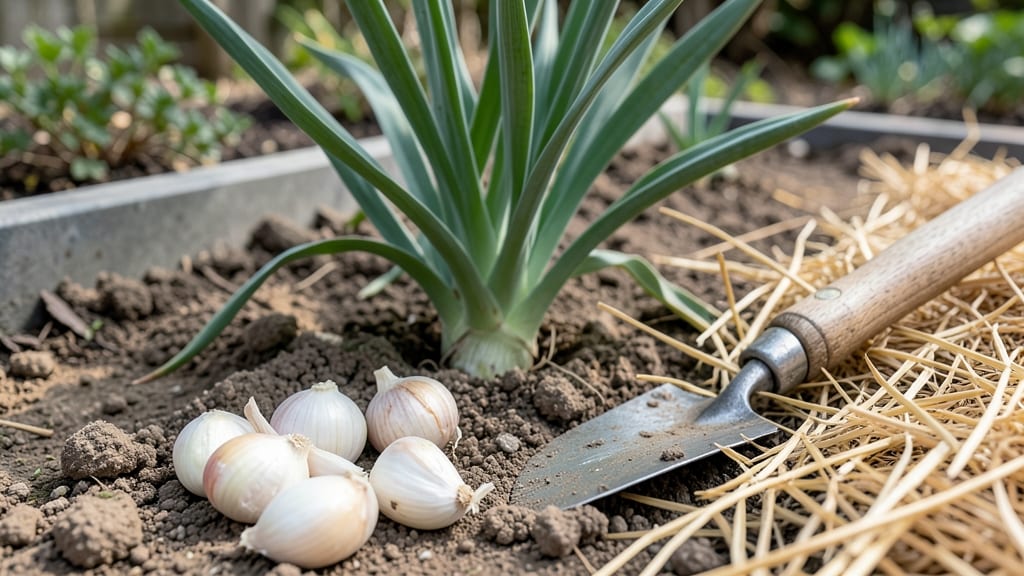
If you're growing garlic in Zone 10a, when to plant garlic is the most critical decision you’ll make—it’s not just about timing, but about working with your climate’s unique rhythm. Unlike colder regions where winter chill triggers bulb formation, your mild winters require a different strategy.
Plant too late, and your harvest will fizzle; too early, and you risk bolting before bulbs mature. Let me show you exactly when to plant for big, flavorful harvests—plus the tricks to beat Zone 10a's challenges.
The key window for planting 🧄 garlic in Zone 10a is October through December, but there's more to it than just months. Soil temperatures below 70°F signal your garlic it's time to grow, while avoiding the summer heat that can send it into premature flowering.
I'll break down the science behind these timing decisions and how to adjust for your specific microclimate—whether you're in coastal Southern California or inland valleys. What sets Zone 10a garlic apart?
Unlike northern growers who rely on cold winters, you'll need to focus on consistent moisture and proper mulching to simulate winter conditions. I'll share my go-to soil prep routine that's proven to give me plump bulbs year after year, even without frost.
Plus, we'll tackle the most common mistakes that sabotage Zone 10a harvests—and how to avoid them. Ready to grow garlic that rivals what you'd find at the farmers' market?
By the end of this guide, you'll know not just when to plant, but how to nurture your crop through the mild winter and into a bountiful spring harvest. Let's get those cloves in the ground the right way—once and for all.
Optimal planting windows for Zone 10a garlic success
In Zone 10a, where winters are mild and frost-free, garlic thrives with the right timing—fall or early winter planting is key. Unlike colder zones, you can plant two crops per year if you time it right.
The ideal window is October through December for a spring harvest, or January through February for a summer crop.
Garlic needs cool soil temperatures (60–70°F) to establish roots before winter rains arrive. Planting too early in Zone 10a’s warm climate can trigger premature bolting (flowering), while planting too late risks stunted bulbs. Aim for 6–8 weeks before winter rains to balance growth and dormancy.
For hardneck varieties, plant in late fall (November–December) to take advantage of cooler temps. Softneck varieties are more flexible and can handle January–February planting, making them ideal for Zone 10a’s extended growing season. Choose Artichoke or Silverskin garlic for better heat tolerance.
| Planting Window | Soil Temp | Variety | Harvest Time |
|---|---|---|---|
| October–December | 60–70°F | Hardneck (e.g., Rocambole) | April–May |
| January–February | 55–65°F | Softneck (e.g., Artichoke) | June–July |
| September (late) | 70–75°F | Elephant Garlic | December–January |
Missed the fall window? Don’t worry—Zone 10a’s mild winters allow for late-season planting in January–February. Use shade cloth (30%) to protect seedlings from intense afternoon sun, especially in coastal areas. This method works best for softneck varieties, which store better in warm climates.
Always plant individual cloves, pointed end up, 2 inches deep and 4–6 inches apart in rows 12 inches apart. This spacing prevents crowding and improves airflow, reducing fungal diseases common in Zone 10a’s humid summers. Use a soil thermometer to confirm temps before planting.
For year-round harvests, stagger plantings every 4–6 weeks from October to February. This ensures a steady supply of fresh garlic without overloading your garden. Just remember: bolting is your enemy—avoid it by keeping soil temps cool and consistent.
In Zone 10a’s unique climate, garlic doesn’t need dormancy like northern zones. Instead, focus on consistent moisture and moderate temps. Mulch heavily with straw or wood chips to retain moisture and regulate soil temps, especially in dry inland areas like Southern California.
Pro tip: Test your soil before planting—Zone 10a’s alkaline soils often need amendments like compost or sulfur to reach the ideal pH 6.0–7.0. Garlic is low-maintenance but rewards precise timing and soil prep with bold, flavorful bulbs.
With the right timing, Zone 10a garlic can outperform northern crops—just avoid the summer heat and embrace the mild winter. Your kitchen (and taste buds) will thank you! 🧄
Optimal planting windows for Zone 10a garlic success
Zone 10a’s mild winters and warm soils make garlic planting a delicate balance. Unlike colder zones, you can’t rely on frost to trigger dormancy—your garlic needs cool but not freezing temperatures (ideally 60-70°F soil) to develop properly.
The sweet spot? Planting between October and December for a spring harvest, or January-February for a summer crop.
Hardneck varieties (like Silverskin) bolt faster in heat, so they’re riskier in Zone 10a. Instead, opt for softneck varieties like Artichoke or Creole, which handle warmth better. These thrive in your zone’s longer growing season and store longer after harvest.
Here’s the key: Plant 6-8 weeks before winter rains (usually late October) to give roots time to establish before heavy moisture arrives. If you miss this window, a January-February planting can still work, but expect smaller bulbs.
| Planting Window | Soil Temp | Variety | Harvest Time |
|---|---|---|---|
| Late October - December | 60-70°F | Softneck (Artichoke, Creole) | April - June |
| January - February | 55-65°F | Hardneck (Silverskin) | June - August |
Pro tip: Use a soil thermometer to confirm temps before planting. If soil stays above 75°F for weeks, your garlic may bolt prematurely. In coastal areas like San Diego, aim for November planting—cooler ocean breezes help regulate soil temps.
For year-round harvests, stagger plantings every 4-6 weeks from October through January. This ensures a steady supply of fresh garlic without overloading your garden at once. Just remember: no frost = no natural dormancy, so consistent moisture (not soggy soil) is critical.
If you’re new to Zone 10a garlic, start with 3-5 plants to test your timing. Even experienced growers adjust yearly based on rainfall patterns and microclimates. Your first harvest might be small, but you’ll quickly learn what works for your specific corner of the zone.