
Plants
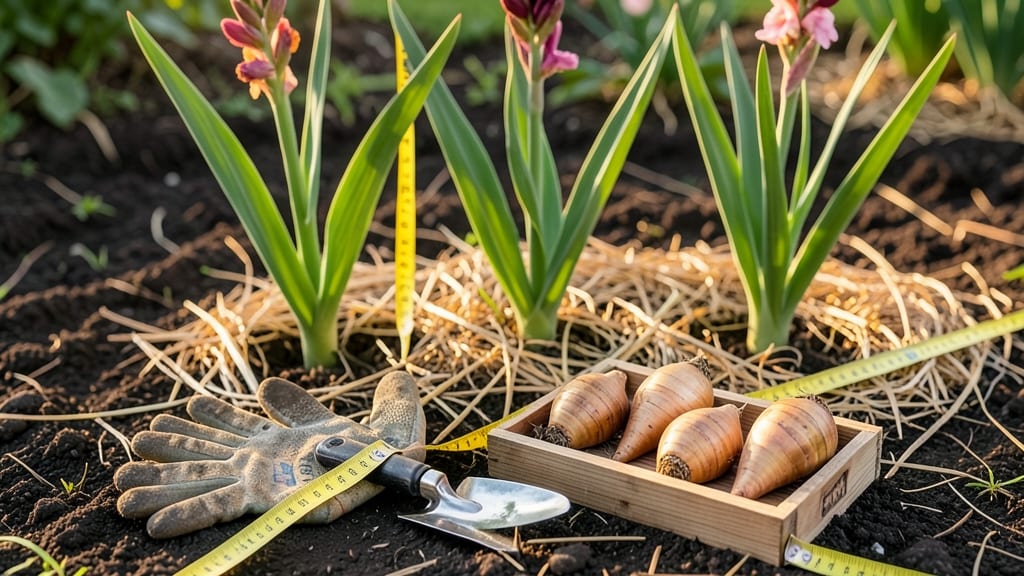
Planting gladiolus in Florida can feel like a guessing game—too early, and the heat zaps their energy; too late, and you miss the bold blooms you crave. But here’s the secret: timing these 🌸 beauties right means vibrant flowers that thrive year-round in your subtropical climate.
Unlike other plants, gladiolus in Florida’s 9a-11 zones don’t need to wait for frost—they just need the right heat balance. Early spring or late summer/early fall are your sweet spots, but regional tweaks (North vs. South Florida) can make all the difference.
I’ll break down the exact months to plant, plus soil prep and care tips tailored to Florida’s unique growing conditions. Whether you’re a first-time gardener or a seasoned pro, these insights will help you avoid common mistakes and grow showstopping gladiolus.
Ready to transform your garden? Let’s dive into the perfect planting schedule so you can enjoy these striking flowers from spring through fall.
Florida gladiolus planting calendar: heat-zone-specific timing
Florida’s gladiolus thrive in two distinct planting windows—early spring and late summer—thanks to the state’s subtropical climate. Unlike northern states, Florida’s frost-free growing season allows year-round planting, but timing matters to avoid wilting from summer heat or missed blooms.
Let’s break down the optimal months for each Florida region to ensure your gladiolus steal the show.
North Florida (Zones 8a-9a) has slightly cooler winters, while South Florida (Zones 10a-11) enjoys year-round warmth. Central Florida (Zones 9b-10a) bridges both extremes. I’ll tailor recommendations to each zone, so you can plant with confidence—whether you’re in Jacksonville, Orlando, or Miami.
🌱
| Region | Best Planting Months | Bloom Window | Key Considerations |
|---|---|---|---|
| North Florida (Zones 8a-9a) | March-April (Spring) & August-September (Fall) | June-July (Spring) & October-November (Fall) | Avoid summer heat; use shade cloth if planting in late summer. |
| Central Florida (Zones 9b-10a) | February-March (Spring) & July-August (Fall) | May-June (Spring) & September-October (Fall) | Stagger plantings for continuous blooms; mulch to retain moisture. |
| South Florida (Zones 10a-11) | Year-round (Peak: January-February & July-August) | March-April & September-October | Provide afternoon shade in summer; water deeply during dry spells. |
For North Florida, aim for March-April to beat the summer heat. Planting in late summer (August-September) gives you fall blooms before winter’s chill. In Central Florida, February-March and July-August are ideal, with staggered plantings ensuring flowers from spring to fall.
Meanwhile, South Florida gardeners can plant almost year-round, but focus on January-February and July-August for the best results.
Gladiolus corms need 60-65°F soil temperatures to sprout. Use a soil thermometer to check—plant when temps stabilize in this range. In North Florida, this usually aligns with late March, while South Florida can start as early as January.
Pro tip: Soak corms in lukewarm water for 24 hours before planting to kickstart growth.
🌿
After planting, mulch heavily to lock in moisture and regulate soil temps. In summer plantings, use 3-4 inches of mulch to protect corms from drying out.
For spring plantings, a lighter mulch (2 inches) suffices. Avoid organic mulches like grass clippings—they can mat and trap moisture, inviting rot.
One common mistake? Planting too shallow. Gladiolus corms need 4-6 inches of depth—deeper in sandy soils (like those in Central Florida) and shallower in clay-heavy areas (common in North Florida). Space corms 4-6 inches apart in rows 12 inches apart for airflow and easy maintenance.
✂️
For continuous blooms, try a staggered planting strategy. Plant a batch every 2-3 weeks from February to August. This ensures nonstop color from spring through fall.
Pair early plantings (February-March) with tall varieties like ‘Green Star’ or ‘Picasso’, and later plantings (July-August) with shorter types like ‘Black Pearl’ or ‘White Friendship’.
In South Florida, where humidity is high, add fungicide to your watering can every 2 weeks to prevent thrips and botrytis. North Florida gardeners should focus on drought tolerance—once established, gladiolus can handle short dry spells, but young plants need consistent moisture.
🌸
Signs your gladiolus planting time is perfect (or too early/late)
Timing your gladiolus planting in Florida isn’t just about checking a calendar—it’s about reading your soil and climate like a pro. The ideal window depends on soil temperature, humidity, and even the phase of the moon (yes, really!).
In Florida’s subtropical zones, you’ll want to plant when the ground warms to 60-65°F—this ensures your corms won’t rot in cool, damp soil.
Start by testing your soil’s temperature with a soil thermometer—if it’s below 60°F, hold off. Cool soil slows germination, and your gladiolus corms may sprout unevenly or fail to establish roots.
In North Florida, this usually means waiting until mid-March, while South Florida gardeners can plant as early as February.
Another key sign? Humidity levels. Florida’s high humidity can encourage fungal diseases like botrytis if you plant too early. Aim for 50-70% humidity—this balances moisture without inviting mold.
Check your local weather forecast for dry spells after planting; these reduce fungal risks and help corms settle into the soil.
- Too Early: Corms rot in cool, wet soil (below 60°F).
- Too Late: Heat stress stunts growth; blooms may fail to open or wilt quickly.
- Missed Window: In Florida, planting after June risks heat shock before blooming.
Your gladiolus corms also send signals. Healthy corms feel firm and plump, not shriveled or mushy. If you see green shoots emerging before planting, it’s time to get them in the ground—these corms are eager to grow and won’t wait much longer.
Conversely, if corms feel soft or moldy, they’ve been stored too long and should be discarded.
Pay attention to local rainfall patterns too. If your area is forecasted for heavy rains within a week of planting, delay until skies clear. Gladiolus hate soggy roots, and waterlogged soil can lead to root rot or corm decay.
Aim for a dry-ish spell after planting to help the soil settle around the corms.
Finally, observe the sunlight angle. In Florida, the sun’s intensity peaks in late spring. If you’re planting in March or April, your gladiolus will get the 6+ hours of sunlight they crave without scorching.
But if you’re planting in late summer, provide afternoon shade to protect young shoots from intense afternoon sun.
By tuning into these environmental cues, you’ll avoid the most common mistakes Florida gardeners make—like planting too early and losing corms to rot or too late and missing the bloom season entirely.
Trust your soil, your corms, and your local weather, and you’ll be rewarded with stunning gladiolus blooms all season long. 🌸