
Plants
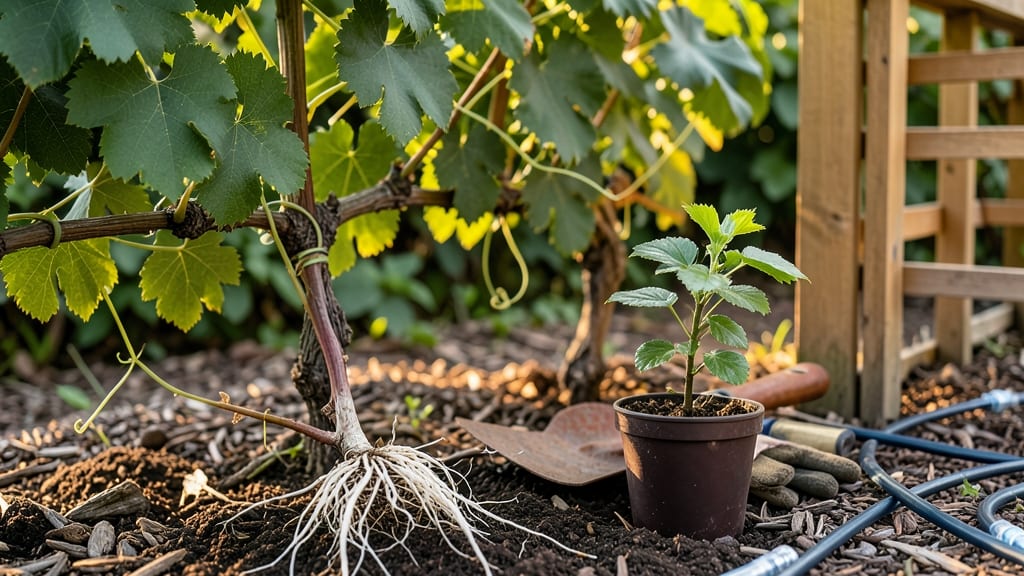
California grape vine planting Zones: when to plant by last frost dates
California’s diverse climate means grape vine planting windows vary dramatically from coastal San Diego to the Central Valley. The key to success? Planting after the last frost date in your zone and when soil temperatures hit 60°F (15°C)—this ensures roots establish before summer heat arrives.
Most of California falls within USDA Zones 8-11, but microclimates create huge differences. For example, Los Angeles (Zone 10) has a frost-free period of 300+ days, while Sacramento (Zone 9) sees occasional late frosts into March. Let’s break down the best planting times for each major region.
🌱 Coastal Regions (Zones 9-11): Plant November through March—mild winters allow for extended planting windows. San Diego, Santa Barbara, and Sonoma are ideal for early planting, with minimal frost risk even in winter.
🌡️ Central Valley (Zones 8-9): Wait until March or early April to avoid late-season frosts. Fresno and Bakersfield often see frosts until February 15, so timing is critical for young vines.
🏜️ Desert Regions (Zones 9-11): Plant in winter (December-February) to take advantage of cooler temperatures. Palm Springs and Riverside can plant year-round, but winter is best for root establishment.
❄️ Mountain Regions (Zones 7-8): Delay until late April or May—these areas (like Lake Tahoe or Mammoth Lakes) have later last frosts, often around May 1. Choose cold-hardy varieties like Concord or Flame Seedless.
| Region | USDA Zone | Last Frost Date | Best Planting Window | Soil Temp for Planting |
|---|---|---|---|---|
| Coastal (San Diego, Santa Barbara) | 9-11 | Dec 15 - Jan 15 | Nov - Mar | 60°F+ (15°C+) |
| Central Valley (Fresno, Bakersfield) | 8-9 | Feb 15 - Mar 15 | Mar - Apr | 60°F+ (15°C+) |
| Desert (Palm Springs, Riverside) | 9-11 | Rare (Zone 10+) | Dec - Feb | 55°F+ (13°C+) |
| Mountain (Lake Tahoe, Mammoth) | 7-8 | May 1 - May 15 | Late Apr - May | 65°F+ (18°C+) |
For bare-root vines, plant in dormant season (winter) when roots are inactive but soil is workable. Container-grown vines can go in year-round in Zones 9-11, but spring planting (March-April) gives them time to establish before summer heat.
Pro tip: Check the UC Master Gardener Program for your county’s frost data—some inland areas like Madera can have late frosts well into March. Always plant 2-3 weeks after your local last frost date to be safe.
Soil temperature is just as critical as frost dates. Use a soil thermometer to confirm 60°F (15°C)—cold soil slows root growth and increases disease risk. In cooler zones (8-9), wait until soil warms to 65°F (18°C) for faster establishment.
🌿 Once you’ve nailed the timing, the next step is preparing your site—well-draining soil, full sun, and proper spacing are non-negotiable for California’s intense summers. Let’s dive into the step-by-step schedule in the next section!
Step-by-step planting schedule for zero frost risk harvests
California’s diverse climate means your grape vine planting schedule should align with your local last frost date. For coastal regions (USDA zones 9-11), like San Diego or Santa Barbara, you can plant as early as late February.
In inland valleys (zones 8-9), such as Fresno or Sacramento, wait until mid-March to avoid late frosts that can damage tender roots.
Bare-root vines are best planted in dormant season (winter), but container-grown vines offer more flexibility. If you’re in a mild zone (9+), you can even plant in early spring or fall. Just ensure soil temperatures stay above 50°F (10°C) for optimal root growth.
Here’s your month-by-month planting guide to maximize survival and fruit quality, tailored to California’s microclimates:
Plant bare-root vines in well-draining soil after last frost risk passes. Choose sunny, sheltered spots to protect young vines from wind.
Wait until soil warms to 55°F (13°C). Amend soil with compost and phosphorus to encourage root development. Container vines can go in now.
Final planting window for bare-root vines. Mulch heavily to retain moisture and suppress weeds. Water deeply 2-3 times per week for the first month.
Last chance for container-grown vines in cooler inland zones. Ensure pots have drainage holes and use well-draining potting mix.
Stake young vines to support growth. Prune dead or damaged canes immediately. Fertilize lightly with balanced 10-10-10 in 6 weeks.
For container cultivation, choose compact varieties like ‘Thompson Seedless’ or ‘Concord’, which thrive in pots and can be moved indoors during winter in colder inland zones. Always use a trellis or arbor to guide vine growth and improve air circulation, reducing disease risk.
Pro tip: Monitor your local UC Master Gardener alerts for frost advisories. In Desert regions (zone 10+), like Palm Springs, you can plant year-round, but summer heat stress is the bigger threat—mulch heavily to keep roots cool.
With this schedule, your grape vines will establish strong roots before summer heat arrives, setting you up for a bountiful harvest by late summer or early fall. 🍇