
Plants
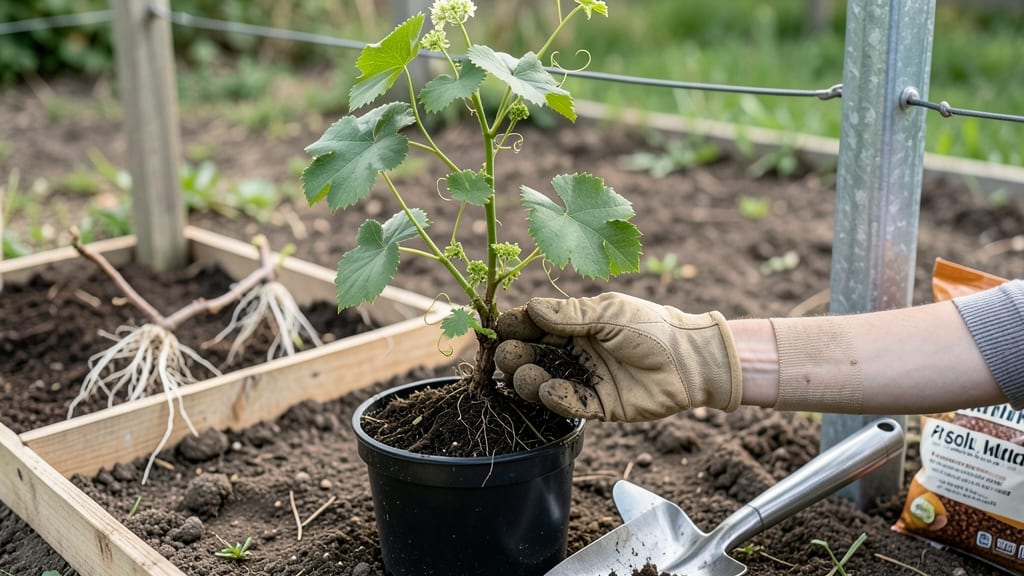
Planting grape vines at the wrong time in Zone 7 could mean the difference between a lush 🍇 vineyard and a struggling crop—especially when frost dates and soil warmth collide.
The key isn’t just picking a season but timing it perfectly with your local climate triggers, like soil temperatures hitting that sweet 50–60°F range.
I’ve learned the hard way that rushing too early (before last frost) or waiting too long (when summer heat sets in) can stunt your grape vine’s growth.
Whether you’re a first-time gardener or a seasoned grower, understanding these nuances will help you avoid common pitfalls and set your vines up for success.
In this guide, I’ll break down the ideal planting windows for Zone 7—whether you’re planting in early spring or late fall—and share pro tips for preparing your soil, choosing the right varieties, and giving your vines the best start. Let’s get those roots growing strong!
From soil thermometers to frost-proofing strategies, you’ll discover exactly how to align your planting schedule with nature’s rhythm. Ready to turn your grape vine dreams into reality? Let’s dig in.
Zone 7 grape vine planting timeline: soil temperature triggers for optimal root growth
Planting grape vines in Zone 7 hinges on soil temperature, not just calendar dates. The ideal window opens when soil reaches 50-60°F, signaling roots can safely grow without frost risk.
This typically falls between late March and mid-April in most of Zone 7, but exact timing varies by microclimate.
Northern Zone 7 areas (like Virginia or Pennsylvania) may wait until after April 15 due to later frost dates, while Southern regions (like Georgia or North Carolina) can plant as early as mid-March.
Always check your local last frost average—planting too soon risks root damage from unexpected cold snaps.
| Soil Temperature (°F) | Planting Window | Risk Factors | Best Practices |
|---|---|---|---|
| 45-50°F | Too early (risk of frost damage) | Stunted roots, poor establishment | Use frost cloth if planting early |
| 50-60°F | Ideal window (root growth begins) | Minimal risk, strong establishment | Plant after last frost, mulch heavily |
| 60-70°F | Late planting (reduced vigor) | Stress from heat/drought | Water deeply, use shade cloth |
For precision, use a soil thermometer to confirm temperatures. Bury it 4 inches deep in your planting spot—this mimics the depth where grape vine roots will establish. Morning readings between 50-60°F are your green light to plant bare-root vines.
If you miss the spring window, fall planting is your second chance—aim for October or early November when soil cools to 50-60°F again. Fall-planted vines establish roots before winter, giving them a head start in spring. Just avoid planting when frost is forecasted within 2 weeks.
Zone 7’s microclimates can shift planting windows by weeks. South-facing slopes warm faster than valleys, while urban areas may stay 5°F warmer than rural spots. Observe your garden’s behavior: if daffodils bloom early, your soil warms faster than average.
Container-grown grape vines offer flexibility—they can handle warmer soil than bare-root types. Plant these as soon as soil hits 55°F, even if air temps fluctuate. Just ensure containers have drainage holes to prevent root rot in Zone 7’s humid summers.
After planting, monitor soil moisture—consistent dampness (not sogginess) is critical for root development. Use 3-4 inches of mulch to stabilize soil temps and retain moisture, especially in dry Zone 7 summers.
Remember: grape vines need 6-8 hours of sunlight daily for strong growth. Plant in a spot with south or west exposure to maximize warmth and light during Zone 7’s limited growing season.
Pro tip: Mark your planting date on a calendar. If you plant before April 15, protect young vines with frost cloth until soil consistently stays above 50°F at night.
Zone 7 grape vine planting timeline: soil temperature triggers for optimal root growth
Getting your grape vines in the ground at the right time in Zone 7 is all about soil temperature—not just the calendar date. Vines need 50–60°F soil to kickstart root growth, but planting too early risks frost damage, while waiting too long stresses young plants.
I’ve learned the hard way that rushing can mean stunted vines, so let’s break down the science behind timing.
In Zone 7, your best window opens after the last frost date (around March 15), but don’t grab those bare-root vines just because the air feels warm. The key is soil temperature: roots won’t activate below 50°F.
Use a soil thermometer to confirm—this small tool saves you from guessing and wasted effort. I check mine every morning until the needle hits that sweet spot.
🌱 Did You Know? Grape vines planted in 50–60°F soil establish roots 3x faster than those in cooler ground. That’s why precision matters—your future harvest depends on it!
| Soil Temperature (°F) | Planting Window | Risk Factors | Best Practices |
|---|---|---|---|
| 45–50°F | Too early (risk of frost damage) | Stunted roots, poor establishment | Use frost cloth if planting early |
| 50–60°F | Ideal window (root growth begins) | Minimal risk, strong establishment | Plant after last frost, mulch heavily |
| 60–70°F | Late planting (reduced vigor) | Stress from heat/drought | Water deeply, use shade cloth |
If you’re planting in early spring, aim for March–April when daytime highs hit 60°F+ consistently. For fall planting, late October to early November works—just ensure the ground hasn’t frozen yet. I’ve had success with container-grown vines in fall because they adapt better to cooler soil than bare-root types.
Pro tip: Mulch immediately after planting with 4–6 inches of wood chips to lock in moisture and regulate soil temperature. This simple step can mean the difference between a vine that thrives and one that struggles. I’ve seen vines with mulch establish roots 2 weeks faster than those without.
Remember, Zone 7’s microclimates vary. If you’re in the northern part of the zone, wait until mid-April to avoid late frosts. Southern Zone 7 gardeners can plant as early as late February, but always confirm with your local Cooperative Extension Service.
Their frost data is gold for grape growers!